Posted on Leave a comment

10 Ways to Be More Like Billie Eilish

Channeling Billie Eilish is all about embracing your contradictions—being fiercely independent yet deeply vulnerable, rocking baggy streetwear while keeping your vocals whisper-soft, and never apologizing for being exactly who you are.

Here are 10 ways to channel your inner Billie:
1. Master the “Whisper-Pop” Vocal Style

Billie is famous for her intimate, ASMR-like vocals. Instead of belting, practice singing right up against the microphone with a breathy, conversational tone. It feels less like a performance and more like a shared secret.
2. Ditch the Fitted Clothes for Oversized Silhouettes

A cornerstone of Billie’s early identity (and still a major part of her style) is massive, baggy clothing. Think XXL hoodies, oversized graphic tees, baggy cargo pants, and basketball shorts. It’s about comfort, subverting the male gaze, and letting your presence speak louder than your shape.
3. Embrace DIY and Family Collaboration

Billie and her brother Finneas famously wrote and produced her debut album in their childhood bedroom. You don’t need a million-dollar studio to create art. Collaborate with the people who know you best, keep your creative circle tight, and trust your raw, home-cooked ideas.
4. Find Beauty in the Macabre

From crying black tears to having giant spiders crawl on her face, Billie loves dark, surreal, and slightly creepy aesthetics. Don’t be afraid of the weird, the gothic, or the unconventional. Let your art and style have a bit of an edge.
5. Rock Bold, Unconventional Hair

This is a showcase site for Jeff Napier of US-Web-Design. Surprisingly low-cost solutions for all your website and marketing needs. More...

Whether it’s neon-green roots, jet-black dye, icy blue, or a retro blonde shag, Billie uses her hair as a primary form of self-expression. If you’re looking for a change, pick a high-contrast, unexpected color or a textured, messy cut.
6. Keep It Real (and Unfiltered)

One of Billie’s most endearing traits is her complete lack of a “polished PR” filter in interviews and on social media. She talks like a real person, laughs at herself, and calls out double standards directly. Speak your mind and skip the superficial pleasantries.
7. Layer Up the Chunky Silver Jewelry

To instantly elevate any casual outfit to Billie-level status, pile on the hardware. Think heavy silver chains, chunky rings on almost every finger, padlock necklaces, and statement metal pieces.
8. Advocate for What Matters to You

Billie uses her platform to speak out on issues close to her heart, including climate change, veganism, and mental health. Being like Billie means standing up for your values and actively trying to make your corner of the world a little greener and more empathetic.
9. Contrast Heavy Beats with Soft Melodies

Musically, Billie loves juxtaposition. She will slide a haunting, delicate melody over a massive, distorted synth or a heavy trap beat. Apply this to your own creative projects: pair the incredibly soft with the incredibly heavy.
10. Wear Your Sneakerhead Card with Pride

You will rarely catch Billie in heels. She is a certified sneakerhead, usually rocking chunky, retro, or high-top sneakers (often Nike or Air Jordans) that anchor her oversized outfits. Comfort is cool, and a great pair of kicks is non-negotiable.

Posted on Leave a comment

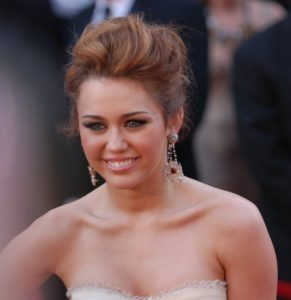
10 Ways to Be More Like Miley Cyrus

See Also:

10 Famous Quotes by Miley Cyrus

Miley Cyrus, Acts of Kindness

10 Miley Cyrus Jokes

Miley Cyrus Revisiting the Wrecking Ball

Miley Cyrus, What AI Has to Say

Miley Cyrus Quiz

Miley Cyrus, Crazy Facts

If someone admires Miley Cyrus, there are several qualities they could choose to emulate without trying to imitate her personality or public image wholesale. Here are 10:

Be unapologetically authentic.
Miley has consistently presented herself in ways that feel true to her, even when those choices were controversial. Express your genuine interests and opinions instead of trying to fit others’ expectations.

Embrace reinvention.
She has moved through multiple musical genres and public personas, from country-pop to rock to psychedelic pop. Don’t be afraid to evolve as your interests and goals change.
Take creative risks.

Whether it’s music, fashion, or performances, Miley often experiments rather than playing it safe. Try projects that stretch your abilities, even if they might not succeed.
Develop resilience.

This is a showcase site for Jeff Napier of US-Web-Design. Surprisingly low-cost solutions for all your website and marketing needs. More...

Growing up in the spotlight meant facing intense criticism. She has continued creating despite setbacks and public scrutiny. Learn to separate constructive feedback from background noise.
Cultivate a distinctive style.

Rather than following every trend, develop a personal aesthetic that reflects your personality, whether in clothing, hobbies, or creative work.

Support causes you care about.
Miley has been active in philanthropy, particularly through the Happy Hippie Foundation, which focuses on helping young people experiencing homelessness and supporting LGBTQ+ communities. Find a cause that genuinely matters to you and contribute your time, skills, or resources.

Stay versatile.
She sings, writes songs, acts, hosts events, and collaborates with artists across genres. Building skills in multiple areas can open unexpected opportunities.

Maintain a sense of humor.
Miley often laughs at herself and doesn’t seem afraid of looking silly. Being able to laugh at your own mistakes makes life lighter and more enjoyable.

Work consistently on your craft.
Behind the public persona is someone who has spent years honing her voice and performance skills. Talent grows through regular practice.

Be willing to stand alone.
Some of her artistic and personal decisions have been unpopular, but she has often chosen them anyway. If you’ve thoughtfully considered your values, it’s okay to make decisions that not everyone agrees with.

One caveat: Miley’s career has also included periods of highly provocative behavior that generated enormous media attention. Those choices were part of her unique journey, but they aren’t essential to the qualities that many people admire about her. The enduring traits are her creativity, resilience, adaptability, authenticity, and commitment to her art. Those are qualities that can benefit almost anyone.

Posted on Leave a comment

Dolly Parton, 10 Weird Facts

Here are 10 unusual, quirky, and well-documented facts about Dolly Parton:

She was born in a one-room cabin in the Great Smoky Mountains.

She was the fourth of 12 children.

Her father paid the doctor who delivered her with a sack of cornmeal because the family had very little money.

Her father couldn’t read or write, yet Dolly later funded literacy programs in his honor.

The day after graduating high school, she packed up and moved straight to Nashville to pursue music.

This is a showcase site for Jeff Napier of US-Web-Design. Surprisingly low-cost solutions for all your website and marketing needs. More...

She writes songs astonishingly fast. Some have reportedly taken less than 15 minutes.

She famously wrote both Jolene and I Will Always Love You on the same day.

“Jolene” was inspired by a bank teller who openly flirted with her husband.

She once said she enters Dolly Parton look-alike contests… and joked that she doesn’t always win.

She says her exaggerated style is intentional because she believes people should have fun expressing themselves rather than worrying about fitting in.

Dolly’s life is full of delightful contradictions: dazzling but practical, wildly famous yet intensely private, glamorous while celebrating humble beginnings. Those contrasts are part of what has made her such an enduring and distinctive public figure

Posted on Leave a comment

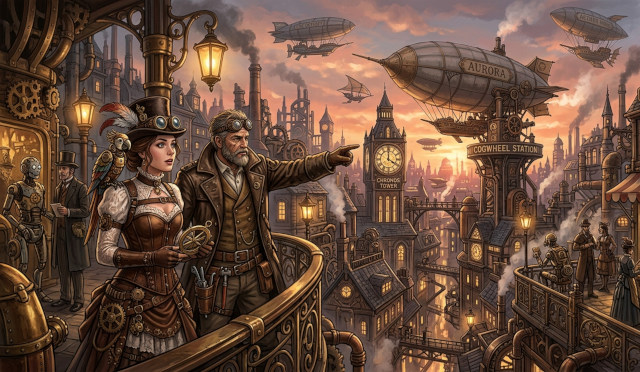
10 Ways to Understand Steampunk

Steampunk can seem like a strange blend of history, fantasy, and invention. One useful way to understand it is to approach it from several different angles:

1. Understand It as “The Future Imagined by the Victorians”

Steampunk asks: What if the people of the 1800s had invented advanced technology without modern electronics? Think brass computers, steam-powered robots, and airships crossing the globe.

2. Read the Writers Who Inspired It

Many steampunk ideas trace back to authors such as Jules Verne and H. G. Wells. Their stories imagined extraordinary machines long before they existed.

3. Look at the Industrial Revolution

Steam engines, factories, railroads, and mechanical inventions form the foundation of the aesthetic. Steampunk often exaggerates this era’s machinery until it becomes fantastical.

4. Notice the “What If?” Element

Steampunk is often alternate history. It explores worlds where technological development followed a different path. Instead of silicon chips and smartphones, society might run on gears, boilers, and clockwork mechanisms.

5. Examine the Fashion

Goggles, waistcoats, corsets, pocket watches, top hats, leather accessories, and brass details help tell the story of a world rooted in Victorian culture but transformed by imagination.

This is a showcase site for Jeff Napier of US-Web-Design. Surprisingly low-cost solutions for all your website and marketing needs. More...

6. Study the Visual Design

Steampunk objects often reveal their inner workings. Pipes, gears, rivets, valves, and gauges are proudly displayed rather than hidden. The machine itself becomes part of the art.

7. Explore Steampunk Films and Television

Works such as The League of Extraordinary Gentlemen, Wild Wild West, and aspects of Howl’s Moving Castle showcase different interpretations of steampunk ideas.

8. Think About the Relationship Between Humanity and Technology

Unlike many futuristic genres, steampunk technology often feels handcrafted. Machines are treated as marvels built by inventors, artisans, and explorers rather than anonymous corporations.

9. Recognize the Spirit of Adventure

Airships, lost continents, underground kingdoms, giant mechanical creatures, and daring expeditions are common themes. Steampunk frequently combines science fiction with adventure stories.

10. See It as a Conversation Between Past and Future

At its heart, steampunk is not really about steam engines. It is about imagining how the future might look if history had unfolded differently. It mixes nostalgia with innovation, creating worlds that feel both familiar and impossible.

A One-Sentence Definition

Steampunk is a genre that imagines advanced technology built with the materials, aesthetics, and spirit of the Victorian age.

That simple idea generates everything from brass robots and clockwork computers to flying battleships drifting across copper-colored skies.

Posted on Leave a comment

Kindness

Concepts In Kindness

Featured Celebrities

Let’s Be Inspired by the Kindness of Others!

Everyone Else

Tips & Techniques

You may not have millions like many of the celebrities featured on 500ways, so here are simple and easy acts of kindness you can do.

Fiction

Posted on Leave a comment

Crochet Jokes

See Also 10 Weird Facts About Crochet

I bought “just one skein” of yarn. The cashier said, “Oh, you’re new here.”

I told myself I’d crochet “just one row before bed.” I finished a blanket, three coasters, and a mild emotional crisis.

Crochet math: one skein = not enough, two skeins = still not enough, ten skeins = too much but I’ll buy more.

I brought my crochet project to a party. Someone asked if it was “grandma stuff.” Later they complained about being cold. Guess who didn’t get a blanket?

I tried teaching my cat to crochet. She didn’t learn, but she did steal the yarn and start a modern art installation under the couch.

Crochet patterns say “easy.” That’s a lie. They mean “easy for someone else.”

This is a showcase site for Jeff Napier of US-Web-Design. Surprisingly low-cost solutions for all your website and marketing needs. More...

I crocheted a hat for my cat. He hasn’t forgiven me.

I crocheted in public and someone said, “Oh, you knit?” That was the moment I learned humans can survive being corrected with only one eye twitch.

My friend asked how long a blanket takes to crochet. I said, “Somewhere between one week and six years.”

Crochet hooks are like wands. Except they summon tangles instead of magic.

I crocheted a sweater. It fits… someone, somewhere, in another dimension.

I joined a crochet group. We spent 80% of the time crocheting and 20% judging yarn that didn’t deserve its price tag.

Crochet projects are like relationships. They start with passion and end with “what was I thinking?”

Telling a crocheter “you could just buy that for cheaper” is like telling a chef “you could just go to a restaurant.” Technically true, emotionally devastating.

I crocheted a toy for my dog. He unraveled it in five minutes.

Non-Crocheter: “Wow, that looks so relaxing. Do you just, like, not think while you do that?” Me: (Internal Monologue: Was that a C2C or a Moss stitch? Did I miss a chain space? Which side is the right side? Why is it pulling?) “Oh, yes. Very relaxing.”

I have 30 crochet hooks. I currently only know the location of two of them.

Crocheters are like “I can’t afford groceries” while sitting on a throne of $400 worth of yarn they bought “just in case.”

Crocheters will video-call each other just to hold up yarn and ask “is this blue or green?” Our friends don’t understand this is a legitimate crisis.

Me, at 2 AM: I know I should go to sleep, but I’m only three rows away from being able to start a new color, and I absolutely have to see how the border works.

The most exercise a crocheter gets is running to five different stores looking for one specific shade of yarn that definitely exists and we definitely saw it somewhere.

The four stages of a crochet project: excitement, confidence, denial that you miscounted stitches, and rage-frogging at midnight.

The UFO (unfinished object) pile isn’t clutter, it’s a collection of “alternative timeline projects” where we had better time management. Which timeline? Not this one.

Crochet hooks are tiny weapons against boredom.

I go to the store for three things: milk, eggs, and a specific size G hook. I come home with 14 skeins of mohair, a pattern book, and no groceries.

“I’m just going to crochet until this podcast ends” is a lie. We’re crocheting through three more podcasts and possibly into next Tuesday.

I was crocheting and someone asked if it was “stress-relieving.” Sure — right after I untangle this knot.

Yarn label: “Machine Wash, Tumble Dry Low.” Crocheter: “Don’t you dare put this baby in the washing machine. I will hand-wash it in lukewarm water and lay it flat on a mesh screen for two days.”

I crocheted a scarf for my husband. He said it was “a bit long.” He’s now the proud owner of a 13-foot emotional support noodle.

I once counted stitches out loud in a café. A stranger tried to join in. We are no longer friends.

My crochet bag has yarn, hooks, scissors, stitch markers, and enough crumbs to feed a family of squirrels.

I crocheted in the waiting room and an old man said, “My wife used to do that.” Then he added, “She swore at it a lot.” I felt seen.

I gave someone a handmade crochet gift and they said, “Oh… neat.” I now crochet exclusively for people who visibly gasp.

People say crocheting is slow. They haven’t seen me unravel two hours of work in five seconds.

I crocheted a coaster. Then I crocheted matching coasters. Then I crocheted 14 more because I don’t know how to stop.

Someone asked if crocheting is expensive. I laughed so hard I dropped my $48 skein of imported alpaca.

I crocheted a blanket for the winter. By the time I finished, it was summer. The cycle continues.

I crocheted while watching a movie and didn’t notice the plot twist because I was too busy being betrayed by my stitch count.

Every crocheter has at least one project that’s been “almost done” for three years.

The most unrealistic part of horror movies is when someone hears a noise and investigates immediately. A real crocheter would think “just one more row” six times first.

Non-crocheters think we’re being productive. Really we’re just hoarding yarn while binge-watching TV and occasionally panicking about whether that was a single or double crochet three rows ago.
Every crocheter has confidently started a project without reading the pattern, then spent two hours frogging it. We never learn.

At the craft fair, I saw a guy crocheting with one hand while eating a sandwich with the other. He dropped the sandwich into the yarn bowl and accidentally made a ham-and-cheese potholder.

Someone asked if I could crochet them something “real quick.” I asked if they wanted it real quick or real good. They backed away slowly.

I crocheted a bag to hold all my yarn. The yarn unionized and demanded a bigger one.

Crocheters will spend $200 on yarn they don’t need but complain that a $6 pattern is too expensive. Math isn’t our strong suit—we’re still trying to figure out gauge.

“I’ll just make a small blanket” is the crocheter’s version of “I’ll just have one potato chip.”

Posted on Leave a comment

Figure Skating Jokes

Figure skating costumes cost more than my car. They’re covered in crystals, completely bedazzled, and have exactly zero practical pockets. You can’t even carry your phone.

The scoring system in figure skating involves technical components, artistic impression, and apparently mystical forces that only judges understand. I’ve watched explanations for hours and I’m still convinced they’re just making up numbers based on vibes.

Pair skaters have to trust their partners to throw them in the air and catch them. I don’t trust my partner to catch a set of keys.

Figure skaters fall on ice going 20 miles per hour and just get up like nothing happened. I slipped on a wet floor once and lay there for 10 minutes reconsidering my life choices. These people are built different.

Ice dancers perform intricate choreography while maintaining eye contact and smiling. I can’t maintain eye contact during normal conversations without it getting weird.

Figure skaters train for four years for a four-minute program. That’s roughly 35,000 hours of practice for 240 seconds of performance.

This is a showcase site for Jeff Napier of US-Web-Design. Surprisingly low-cost solutions for all your website and marketing needs. More...

Figure skating requires strength, flexibility, artistry, and the ability to smile while internally screaming. It’s basically a physical manifestation of “this is fine” meme while everything is on fire and also you’re spinning.

I went to a public skating session thinking I’d practice some figure skating moves. The session was full of speed skaters going Mach 5 and hockey players treating the rink like a combat zone. I hugged the wall and prayed. No figure skating occurred.

Figure skaters wear tights that somehow stay perfectly smooth even during jumps and spins. I wear tights to the office and they’re bunched around my ankles by 10 AM.

Every figure skating costume has a “modesty panel” sewn in. This is because the skaters are doing splits and spins at high speeds in front of thousands of people. The engineering required to keep everything family-friendly is probably more complex than the actual skating.

I tried watching figure skating with my dad and he kept asking why they don’t just play hockey instead. “All that ice and no one’s checking anyone into the boards? What’s the point?” I couldn’t explain it in a way that satisfied him.

Figure skaters retire at like 25 and I’m just getting started at that age. They’ve already had entire careers, won medals, and destroyed their joints by the time I figured out what I wanted to do with my life.

The kiss and cry area where skaters wait for their scores is the most emotionally volatile 60 square feet in sports. You go from hopeful to devastated in seconds, all while sitting on a bench, holding stuffed animals thrown by strangers. It’s a psychological experiment disguised as a waiting room.

Figure skaters travel with an entire suitcase just for skate equipment. Skates, guards, different blades, tools for adjustments. I travel with flip flops and hope for the best. We are not the same.

The toe pick on figure skates is used for jumps and spins but is mostly known for causing catastrophic falls when you forget it exists. It’s like having a built-in trip hazard attached to your feet. Whose idea was this?

Figure skating competitions start at like 7 AM and go until midnight. Someone performing at 11 PM has been at the rink since dawn, waiting, warming up, staying loose, managing anxiety. It’s not a sport, it’s an endurance test of patience and caffeine management.

Every figure skating documentary has the same plot: child shows promise, family sacrifices everything, skater trains obsessively, injury happens, triumphant comeback or devastating defeat. It’s a formula, but it works every time. I cry regardless.

The difference between a double and triple jump is one rotation, which happens in a fraction of a second. Yet that fraction determines whether you’re a club skater or an Olympian. The margin for error is so thin it’s basically a theoretical concept.

Figure skating boots cost $800, blades cost another $600, and they last maybe 6 months with serious training. That’s $2,800 a year just for the shoes. I complain when running shoes cost $120. I have no right to complain about anything ever again.

Synchronized skating exists and it’s 16-20 people doing intricate formations on ice while maintaining exact spacing and timing. I can’t even walk in a straight line with one other person without bumping into them. This seems impossible. It probably is impossible. They’re faking it somehow.

Coaches say “try again” so often, skaters think it’s their middle name.

Skaters don’t sweat — they sparkle attractively under fluorescent rink lights.

The Zamboni driver is basically the superhero of practice: one lap and the ice is reborn.

Every skater’s nightmare: finishing a routine perfectly… then realizing the music was for someone else.

Skaters bow at the end not just for applause, but to check if their laces survived.

Parents of skaters don’t clap at performances; they calculate how much money each jump cost in lessons.

Skaters don’t dream of vacations — they dream of ice time that isn’t at 5 a.m.

Skating friends don’t hug; they crash into each other and call it choreography.

Coaches don’t yell “focus!” — they yell “stop inventing new ways to fall.”

Posted on Leave a comment

Josephine Baker

Additional Adult Topics

Josephine Baker was a sexy and highly sexual woman. She became the biggest African-American star in the world. Here is her strange mini-biography.

Josephine was born in 1906 on the wrong side of the tracks in Saint Louis, Missouri, USA. Her grandparents on her mother’s side had been slaves.
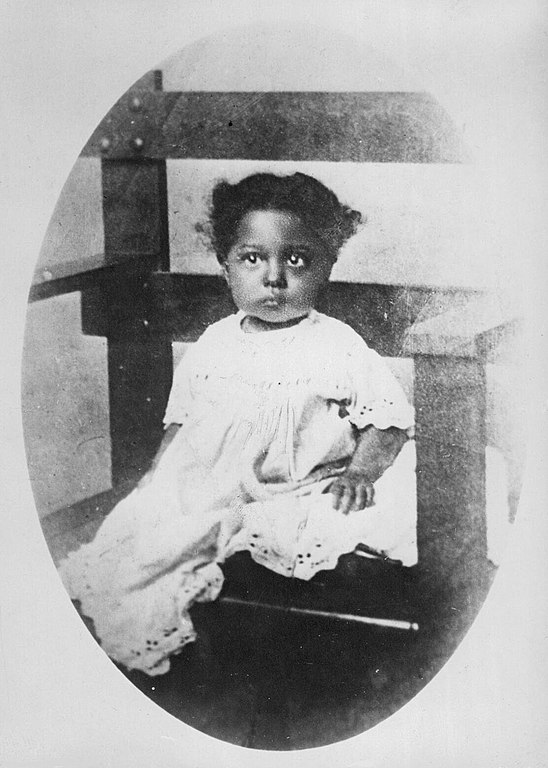
Josephine Baker as a baby

Her parents had a vaudeville background. Vaudeville was live variety entertainment presented in theaters. Acts ranged from singing and dancing to magic, juggling, trained animal acts, and comedy. Back in the day, vaudeville was an attractive pursuit that was profitable for some performers, but barely made ends meet for most.

Her deadbeat father was a drummer who left when Josephine was one year old. He may have been of Native American heritage. No one seems to know for sure. Her poor mother had to take in laundry to barely put food on the table.

To make matters worse, her mother found another man to marry. Another deadbeat. Oh, this one didn’t leave the family, but he didn’t work either. He spent his days sitting around reading the newspaper. The family was so poor that Josephine, her younger step-brother and two step-sisters, her mother and father all slept in the same bed.

This is a showcase site for Jeff Napier of US-Web-Design. Surprisingly low-cost solutions for all your website and marketing needs. More...

After a while, that was too much for her, so she took to sleeping on the floor, under a blanket made from newspapers.

When she was eight years old, to bring in more money her mother sent her off to work for a white family as a maid. Things got worse, not better. Josephine slept in that family’s basement with their dog.

One time, she put too much soap in the laundry. The white woman burned her hands. Evidently, it was just mild enough not to leave permanent scars.

Despite all that, Josephine managed to stay in school until age twelve.

Things weren’t yet bad as they could be. By the age of thirteen, she was living on the streets, scavenging for food and using cardboard boxes for shelter from the weather. Needing money, she took up unskilled street performing. She emulated popular dances of the era, Trucking, The Tack-Annie, The Itch, and Messing Around.

Finally, things started to improve. She met and married Willie Wells. She was thirteen years old at the time. He was fifteen. One can only imagine what kind of sex life they had. How much did they even know about sex at that age?

Josephine’s rough street performing improved and she started performing with the Jones Family street performers in front of Booker T Washington theater.

One day, the opening act in the theater, the Dixie Steppers, failed to show. You guessed it. The Jones family, along with Josephine were invited into the theater to perform on stage.

By this time, Josephine could dance, cross her eyes, and play trombone at the same time. She had comedy talent.

By the time she was 15 years old, she had divorced Willie, and married a guy named William Howard Baker at age 15. Just like her father, William turned out to be a lazy non-worker. Isn’t it amazing how often people will marry someone who has the same traits as one of their parents?

Right around this time, the manager of the Dixie Stepper took the Jones family and Josephine to New York. During this time, Josephine’s career evolved. She was truly a professional, although not by any means well-paid.

Still only fifteen years old, Josephine won a role in the 1921 all-Black production “Shuffle Along.” She played comedy clown at the end of a chorus line who couldn’t keep up, stumbling around out of time, and making a hilarious mess, but she ended the routine with skillful dancing.

She performed in New York City for four years as her skill continued to grow. Then, at age nineteen, she moved to Paris, France.
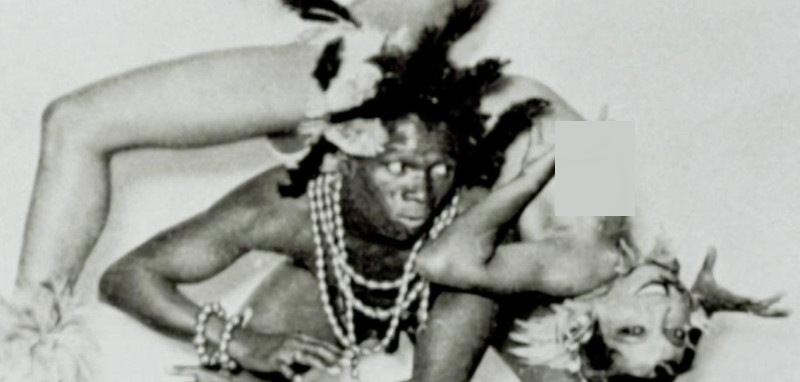

She became a nearly instant sensation. Billed as having come from an African tribe, she could dance like no other, taking what she had learned on the streets of Saint Luis including things like popping and locking, which she was doing decades ahead of time, to the stages of Paris.

Some have said that she’s the founder of much modern dance including hip-hop. Reviewers at the time called her style ‘uninhibited.’ Beyonce, among other modern celebrities have attributed some of their skills to Josephine’s influence.

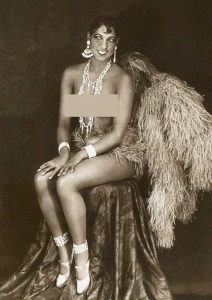
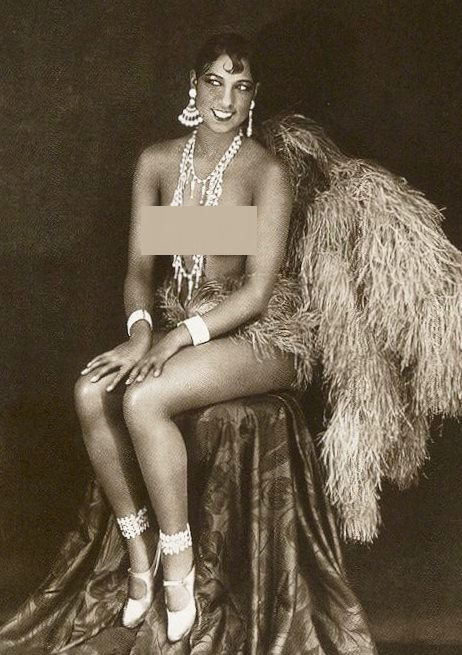
It didn’t hurt that she was an exceptionally beautiful Black woman, a rarity in France. Furthermore, it didn’t hurt that she danced nearly naked, something that was somewhat common in Paris at the time. Did I say ‘nearly naked?’ She was absolutely topless other than some necklaces, and had invented a skirt made of sixteen rubber bananas that were hung from a belt and swayed back and forth in such a way that the audience could see everything. She was obviously not afraid to be seen in her entirety. According to some reports, she sometimes performed 100% naked.
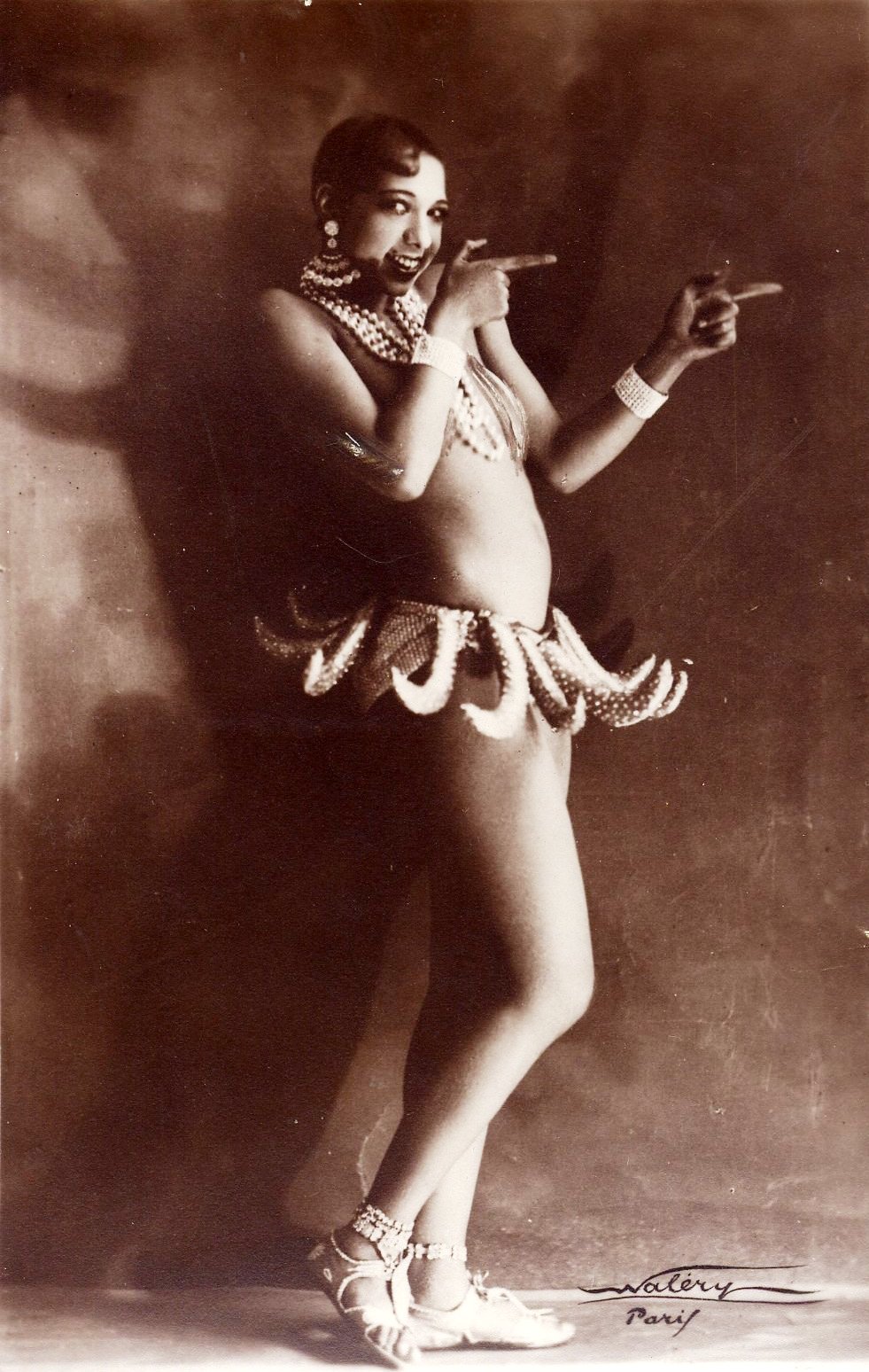
Josephine Baker in her banana skirt, also known as banana girdle

Two years later, Josephine Baker became the ‘Toast of Paris.’
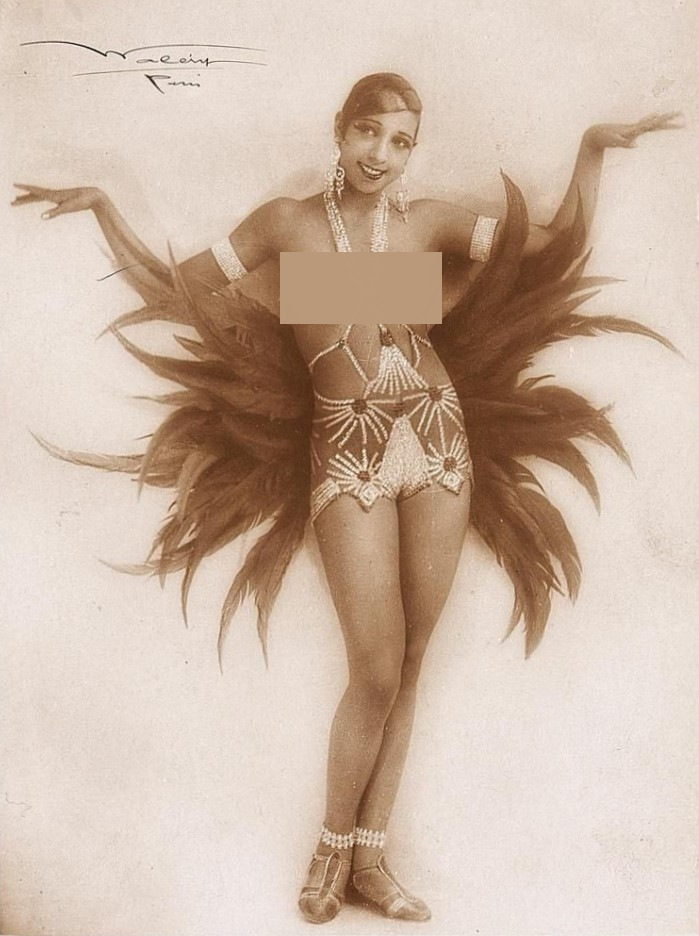
Josephine Baker, the Toast of Paris

Great opportunities came her way. She was the the first black star in a major motion picture, Siren of the Tropics, a silent film released in 1927. Later she starred in “Zuzu” in 1934, and “Princes TamTam” in 1935.

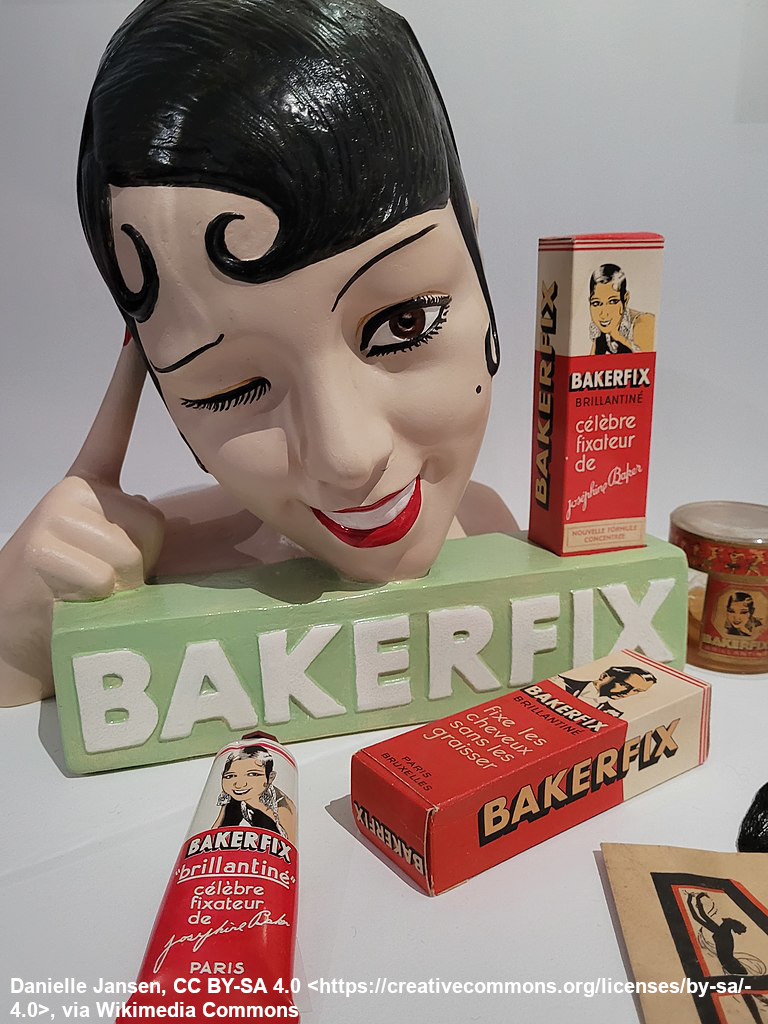
One of her trademarks was a spit curl, a little lock of hair that was pasted to her forehead, Betty Boop style. In fact Betty Boop, who came along in 1930, may have been inspired by Josephine Baker. Josephine started selling the paste she used for that spit curl, calling it BakerFix, and made a literal fortune with her acting plus that product.


Another trademark, besides nudity in performing and the spit curl, was that she seldom if ever wore high heels, preferring flats. That was probably influenced by her dancing.

While many people have a housecat or a dog, Josephine fell in love with Chikita, a cheetah, giving her kitty a diamond collar that matched Josephine’s diamond bracelet. Josephine were sometimes spotted around Paris in her white convertible Rolls Royce, with Chikita by her side. She often performed with Chikita on stage. Sometimes the cat would wander down to the orchestra pit, scaring the musicians, which added to the show.

She fell in love with Giuseppe Pepito Abatino, a former stone mason from Sicily. Unlike her father and now estranged second husband, Pepito actually worked. He became her agent. She couldn’t marry him because she was still technically married to William.

Already on a spectacular projectory, with Pepito’s management, she became the most successful Black woman in Europe.

With all her success, she still missed America. She pestered Pepito to get her a booking on Broadway. He got her a starring role in the 1936 Zigfield Follies. However, this was America. She couldn’t drink from ‘white’ drinking fountains, couldn’t use ‘white’ bathrooms, or eat in ‘white’ restaurants. She had to use the service entrance of the very theater in which she was performing.

As you can imagine, she went back to France as soon as the Zigfield gig was done.

In time, she could have married Pepito, but he died of stomach cancer when she was 30 years old.

She counted among her friends Jean Cocteau, who is described in Wikipedia as “French poet, playwright, novelist, designer, filmmaker, visual artist and critic.”

Ernest Hemingway called her the ‘most sensational woman anyone ever saw.’

Picasso featured her in art.

So what about her sex life? When asked, she would say she believed sex was a good workout, it was fun.

She had many affairs with men, sometimes picking up random guys in nightclubs. Women too. She had an affair with Ada “Bricktop” Smith, who was the other famous Black woman in Paris at the time. Ada was a singer, dancer, and owned a nightclub in Paris.
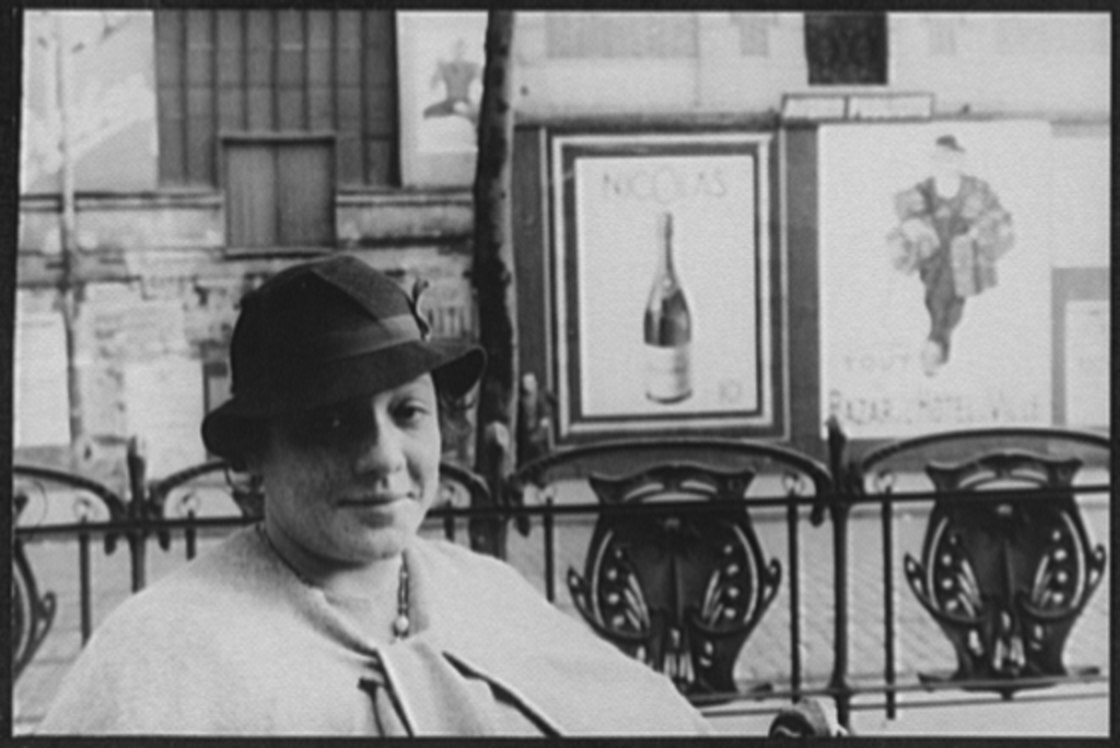
Josephine Baker's Friend, Ada Bricktop Smith
Ada “Bricktop” Smith

According to a Wikipedia article, Josephine also had affairs with French novelist Colette, and possibly Frida Kahlo.
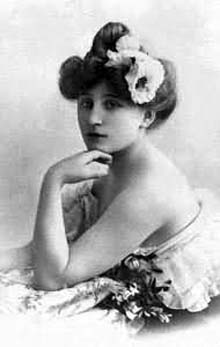

Colette
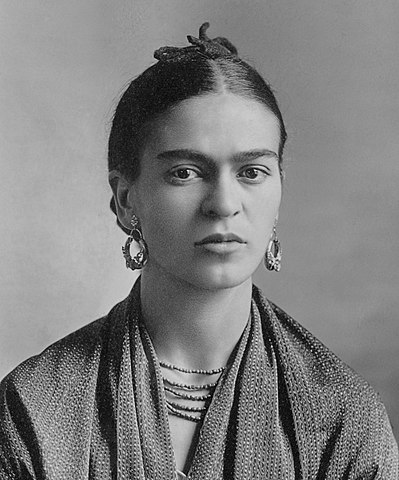
Frida Kahlo

Time went on. She continued in her success. In 1937 she married Jewish French industrialist, Jean Lion. For a year, they had a wonderful time, riding horseback, flying in private planes, going fox hunting, and wining and dining with the biggest of celebrities. She left Jean after fourteen months, at least in part because of her many affairs with both men and women.

Along came World War II. She hated the Nazis. They were like prejudiced white people in America, but they tormented Jews instead of Black people. Josephine also loved France so much, the country where she was invited to dine with white people for the first time in her life, the country where everyone adored her for who she was rather than shun her just for her skin color, that she signed up as a spy with the French Resistance.

She also performed for the troops. She never charged any money for these performances. At the same time, being the celebrity that she was, she could wine and dine with many influential people, including Nazi dignitaries. She was able to get next to them – in bed one would assume, listen to their secrets, and pass them on to the French military intelligence and eventually President Charles deGaul.

At one point, she was asked to set up an army entertainment camp in Morocco. She did entertain the troops, but it was really a cover for her continuing spying activity. While in Morocco, she nearly died from the last in a series of miscarriages, probably brought on by improper abortions. This one was so bad that she developed peritonitis and a blood infection. Her uterus was removed.

Even as she was still recovering from that, she continued not only her spy work, but also, along with a entourage, she entertained the troops, charging no money, and allowing no civilians in the audience.

When the German men spilled the beans, ‘mansplained’ as one biographer called it, she wrote notes that she folded into her panties. She had no problem passing through customs as she went from country to country. No one was going to strip search the famous Josephine Baker. Instead, customs officials asked for her autograph.

Another bold trick she used to smuggle information was to write in invisible ink on her sheet music. Of course she’d always be carrying sheet music in her business.

When she was forced to leave France, she took out as many Jewish refugees as she could fit in her Rolls Royce.

The war ended. Time went on. The little girl who grew up abused and in abject poverty remained one of the biggest and wealthiest stars in Europe.

In 1947 at the age of 41, Josephine married orchestra leader, Jo Bouillon. Jo Baker and Jo Bouillon.

By the age 45, she could sing in English, French, Italian, Portuguese, Yiddish.

May 20, 1951 was declared Josephine Baker day by the NAACP.

Even though she could perform at the world-renowned Stork Club, she evidently couldn’t sit in the audience. When the management tried to expel her, Grace Kelly, later to become Princess Grace of Monaco, held her arm and walked out with her, including Grace’s entire entourage. They became close friends.
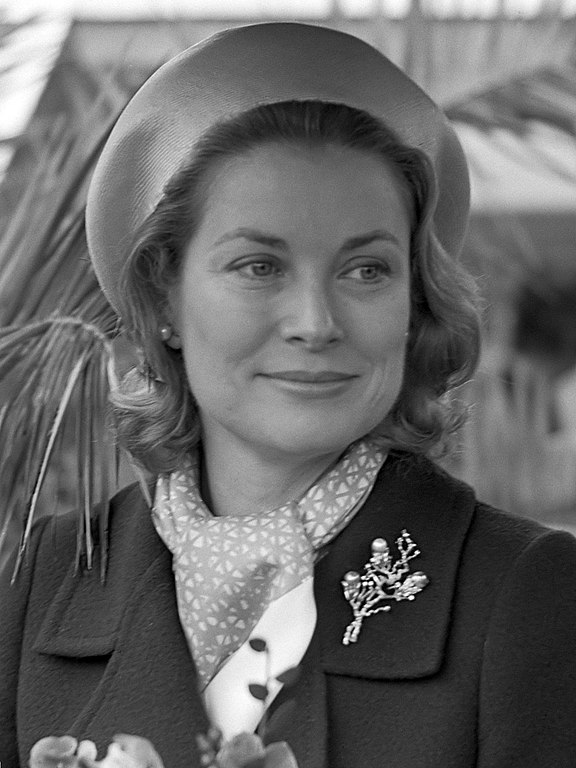
Also in 1951, while performing at the Stork Club, she complained about their policy of discouraging black audience members. Her friend Walter Winchell did not come to her defense, she she got mad at him. He retaliated by calling her a Communist in his newspaper column. That, among other complications, resulted in the government canceling her visa. Once again, she had to return to France.

She came back a few times to the United States, where she was also a celebrity, but not on the same scale as in France. In the US, she was still a ‘Negro’ and relegated to only designated restaurants, bathrooms and hotels. At one point, she was turned down by 36 hotels because she was black. People were still so fucked up about race in America that her magnificent performance in the follies earned her bad reviews.

Here’s a Time Magazine review:

“Josephine Baker is a Saint Louis washwoman’s daughter who stepped out of a negro burlesque show and into a life of adulation and luxury in Paris during the booming 1920s. In sex appeal to jaded Europeans of the jazz-loving type, a Negro wench always has a head start. The particular tawny tint of tall and stringy Josephine Baker’s bare skin stirred French pulses, but to Manhattan theater-goers last week, she was just a slightly buck-toothed young negro woman who’s figure might be matched in any nightclub show, who’s dancing and singing could be topped practically anywhere outside France.”

Shortly after the war, and possibly starting before, she began executing a brilliant idea, one many years ahead of its time. In 1936 she had purchased Château des Milandes, a chateau with a village that she hoped to turn into something like Dollywood, with peacocks, a J-shaped swimming pool, hotel, rides, and much more.

She also started adopting children, but not just any children. She wanted variety for a very special reason. She initially wanted a white child, a black child, a yellow child and a red child. She did manage to adopt White, Black and Asian children, but never managed to find a ‘red’ – American Indian child.

In total, she had twelve kids, ten boys and two girls, that she called her Rainbow Tribe. The kids she selected came from varied backgrounds, Catholic, Jewish and Muslim. She was intent on proving that people of different backgrounds can get along just fine. She said, “They will serve as an example of true democracy and be living proof that if people are left in peace, nature takes care of the rest.”

Most of her kids grew up to become successful, although one did commit suicide as an adult.

One of her children, Finnish-born Jarry, came out as gay at the age of 15. Uncharacteristically, Josephine, herself a practicing bisexual, threw him out, forcing him to live with his adoptive father, Jo Bouillion, by then in Argentina. This must have been due to what she figured would be negative publicity for her Rainbow Tribe. But still! Right?

How was Josephine as a person? People say she was sweet and kind, but also could act like a demanding brat, in the way that rapid wealth can spoil people.

When in America, she was a big civil rights advocate, being the only female speaker in the 1963 March on Washington.

When Dr. Martin Luther King was assassinated, his wife, Coretta Scott King, asked Josephine to lead the civil rights movement, but she turned it down out of consideration for the safety of her children.

The Château des Milandes experiment never quite worked out. If you’ve ever owned a village with a chateau, then you know they can absorb a lot of money. In fact, Château des Milandes ate up all of Josephine’s fortune. By 1968, she was flat broke, and was evicted from the villa. Leaving her home of 32 years was not easy for her. She had to be removed bodily.

Fortunately, her friend actress Grace Kelly, gave her an apartment in which she could stay and live in style for the rest of her life.
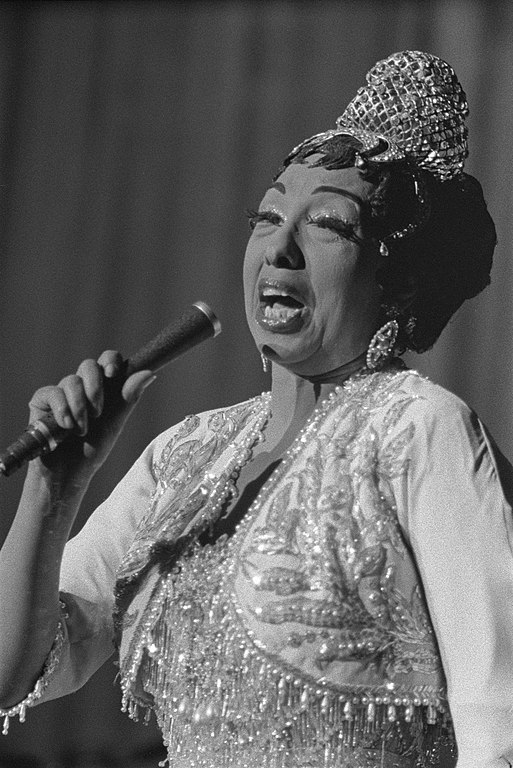
In 1975, at the age of 68, Josephine Baker was still a very well-regarded celebrity. A sold-out show celebrating Josephine’s fifty years in entertainment was arranged at Carnegie Hall. She performed brilliantly. The show was attended by Mick Jagger, Sophia Loren, Jackie Onasis, among others.

Four days later, she died peacefully in her bed, surrounded by newspapers all with glowing reviews of her performance.

20,000 people attended Josephine Baker’s funeral.

Posted on Leave a comment

Make Money By Giving Things Away

I’m about to tell you how to make money by giving things away!

Perhaps your church or group has sponsored an occasional clothing exchange. I’m not talking about a rummage sale where you donate your unwanted clothes and they sell them to support the organization. I’m talking about an event where everyone brings their unwanted clothes, perhaps on a Saturday morning, and everyone can carry away other members’ unwanted clothes. So, you can get rid of that funky sweater someone ‘gifted’ you with and pick up a great pair of pants, or whatever.

What if this happened on a grander scale and was about whatever you’re interested in, not necessarily clothing? Imagine a regular location where this free exchange went on every weekend, or even every day?

Do you see where the profit is in this? Since you could be the one who organizes and maintains it, it is only fair that you get first pick on everything that comes in. If you let everyone know right up front that that’s exactly what you’re doing, they’ll all be OK with it. I can assure you of that, because I set up a business that grew nearly overnight into a large, ongoing free general exchange in Marin County, California, and that’s what actually happened.

More specifically, I rented a 2,500 square-foot store, primed it with stuff I bought for next to nothing at garage sales, and opened to the public. In my exchange, I allowed exchange of anything of reasonable size (no refridgerators or mattresses, please!) There were many books, garden tools, car parts, sports equipment, you name it. But I could have specialized in appliances, bicycles or car parts and accessories, clothing, computer gear, or pretty much any type of thing. A couple of years later, I set up a quite successful specialty exchange, dealing just with books, CDs and DVDs.

Never once did anyone complain that I had first pick. Quite the contrary, I received complements all day long for the nature of the business.

This is a showcase site for Jeff Napier of US-Web-Design. Surprisingly low-cost solutions for all your website and marketing needs. More...

Another thing that might surprise you is that I received much more stuff than I gave away. There was so much stuff coming into my exchanges, that much had to be discarded.

When people decide to clean out the attic, basement or garage, they tend to bring multiple boxes full of stuff. There were hundreds of wealthy people who brought things to the exchange just so other less wealthy people could get them. All these donors knew full-well that I was supporting the business by picking the cream off the top.

I’m sure you can imagine what I did with the one percent or so that I picked. Right, I sold them on Amazon and eBay.

I only ran my exchanges as experiments for four months each.

During my first four months, in the general exchange, a volunteer ran some math and worked out that I gave away $44,000 per month worth of stuff. This was just wonderful for all the people who came from the poorer areas east of Marin and were able to get good things for their children and themselves. Even though the store was in a rather fancy suburban neighborhood, and many of the ‘shoppers’ came in junky cars and looked kind of scary to the locals, I was often told how much it was a great community service by the well-off locals.

I have been more of an experimenter than a do-the-same-profitable-thing-year-after-year person – probably to my detriment, but my exchanges could have been huge successes. Instead of moving on to the next experiment, I suppose they could have branched out, and I’d be very successful in the exchange business. But, being an experimenter and a writer, I’ll leave starting the next exchange up to you.

Imagine the potential. If you specialize in musical instruments, you’ll get instruments into the hands of children and adults who couldn’t otherwise afford them. If someone has had their instrument stolen or broken, you can provide them with another. You can provide sheet music. It wouldn’t be surprising if your free sheet music collection could become larger than what any store in town carries. You could have walls filled with free CDs. Interestingly, your place can become a destination for musicians. Many will volunteer to help your efforts. Everyone will just love hanging out, offering advice, repairing instruments, talking shop, jamming – well, you get the idea. What a place it can become!

If you specialize in clothing, you’d be offering a great service indeed, as people who can barely afford to clothe themselves and their children will get what they need. Their hard-earned money will go to better quality food, paying back bills, and so on instead of clothing, and they can dress proudly, not shabbily.

Of course much of the stuff that comes in will be in sad shape. You’ll get brass instruments that are quite dented. You’ll get torn clothing. You’ll get books that are 30 years old. You’ll get unidentifiable car parts. You’ll get wobbly furniture. But not all of it will be junk!

When it’s free, you’d be surprised how delighted someone can be with “70’s Pop Tunes.” When it’s free, people will figure out a way to fix that chair with the missing leg, or the vase with the crack in the side. Or if they can’t fix it, they’ll have fun trying. You may not be too happy about selling the good things that come in, even though that could be quite profitable. But if a stamp album comes in that you can sell on eBay for $4,000, that money will go along way to support the exchange, wouldn’t it? That way, you can get a lot more servicable goods into a lot more hands.

Perhaps the bulk of the money will be from selling pieces of broken things. As far as I went with pieces is that I experimented with two student-model flutes. I took them apart and listed the pieces on eBay. They each brought just over $100, after all expenses, selling most of the bits and pieces for $10 each. I once took in a guitar that was cracked on all sides, and missing a couple of tuners. It was not a production model. It appeared handmade, having no brand name and no model, but it had excellent inlay around the sound hole. I put it as-is on eBay, expecting maybe I’d get lucky, with a winning bid of around $20. It sold for $203.

The reason I created two exchanges was that I wasn’t quite happy with the first one.

My first version started out quite large, and I had a rag-tag assortment of about 20 volunteers. Not being a great manager, I quickly lost a degree of control over these people. Some came in drunk, some complained about everything in sight, some treated the clientele crudely. So, if you’re going to do this, you’ll either want quality employees rather than volunteers, or you’ll want to screen your volunteers better, or you’ll want to have a more alpha personality. Or, perhaps the best solution, is keep it small and manageable, perhaps in a 700 – 1,000 square foot space in a smaller community, or hidden away in a neighborhood.

That’s what I did with my second exchange. I wanted something smaller and more manageable. It was 1,000 square feet, about a third the size of a typical 7-11 store, in a town of just under 20,000 residents. Initially I did everything myself, no volunteers. I decided to specialize in books, CDs and DVD movies, because I figured I’d have a quieter, more focused clientele. I was exactly right. The second exchange was just as profitable, yet much less hectic, and therefore more fun for me.

Speaking of profit, I spent about $10,000 setting up the second exchange. I could have done it with less, but in my case, I didn’t need to. By the end of the second month, I was making $5,000 per month profit. At the end of the four-month experiment, I sold it quickly for $32,000. (If I had wanted to, I could have held on for a year, and sold it for much more!)

A bit of a problem with the first, general exchange was waste. Since I was taking everything, not just books and disks, I had to rent larger and larger dumpsters to accommodate the things that weren’t worth even giving away. At the end of the fourth month, I was paying $250 per month for dumpster rental.

To avoid discouraging people from bringing things, I decided never to decline any reasonable donations. I stand by this, and believe it’s better to spend a bit on garbage pickup than losing donations from people who start to figure you may not accept what they bring. Interestingly, things they assume you don’t want may be wonderful donations. I received a sousaphone that’s bell was crushed all out of shape. It was awful in appearance, but still played, so I gave it away.

If an item needs repair, you may be surprised how many volunteers are available to fix it. They may prefer to fix it in the exchange – if you have the space for a repair area. This is so they can become part of the social scene. Or, they may want to take things home to repair them. But what if the volunteers are unreliable? What if someone brings a sweater home to reknit a blown seam, and never brings it back? If you were going to give it away anyway, no loss!

In the case of an item beyond repair, you can sell what parts are good. There’s good money in a sousaphone mouthpiece or valve if someone needs that exact part on eBay. I have studied the bicycle parts sections of eBay from time to time, and am amazed how many ordinary everyday parts are being sold there. I once took apart a Roomba vacuum cleaner, and sold all the parts for well over $100.

I had a sign on the front window of my general exchange that told people not to leave donations after hours. But they did. Most mornings I’d find a enough bags of worn-out clothing, broken lawnmowers, sofas without cushions, and so on to fill a pick-up truck. These were the things that people just wanted to dispose of, didn’t want to pay landfill fees, and would be too embarrassed to try donating to the store during the day. Of course this wouldn’t be so much of a problem with a specialized exchange. In fact, the nighttime donations might surprise you. Someone once left two banker’s boxes full of old records. I called my friend Ken, who paid $100 per box for the collection. He took about six albums per box, and donated the rest back to the exchange.

In my media exchange, I learned to solicit nighttime donations. I had a drop box with a slot outside. Hundreds of books per months came in through that slot. I used a slot rather than an open container, because I didn’t want other people coming by and rummaging through the books before I had a chance to pick through them. I also put a free shelf outside, so visitors could get books, and occasionally music CDs, any time of the day or night.

Taking the concept one step further, you might be able to design an exchange that doesn’t need your presence at all. One way is to staff it with volunteers. Another is to have drop boxes around town, much like some clothing companies do, in which you ask people to drop of things they’re not using. On the drop boxes, you’d have signs indicating what you’re doing – donating most of the stuff to children overseas – or locally, for that matter.

I believe you should also state that you’re making a profit in the process. If you’re up front, not only will no one complain, but many will just love what you’re doing. If you try to hide it, people will undoubtedly get the wrong idea. Unfortunately, some of those companies that put out clothing donation boxes a few years ago developed a bad reputation for not actually fulfilling the promise of making good use of the donated clothing.

A little aside here: As I understand it, a fellow in Boston advertised on Craigslist that he would pick up unwanted books. He didn’t mention what he was going to do with them. He didn’t promise anything. Yet, many people gave him thousands of books, which he sold on Amazon.com.

Taking it even a step further, I can imagine that you might have a charitable arm. But that’s up to you. It is quite possible that a year or two after you start an exchange it becomes so profitable that you would have money left over with which to do good work.

To round out the picture, it would also be possible to have specialty exchanges that are simply shelves in public locations. The idea is people can drop off CDs, DVDs, books, toys, or whatever they don’t care about any more, and pick up ones they like – all for free, of course. Your job, besides keeping the shelves organized and clean, is to go through the stuff that comes in, gleaning what will sell online. Quick oil change places, laundromats, and restaurants would all love to have such a shelf.

You can tighten up the efficiency of free exchange shelves a bit by having a box with a slot on the shelves. Signs tell people to drop donated music into the slot, and take whatever they want. The point is you don’t want people carrying away the obscure and possibly valuable items. You want to be able to sort everything that has been donated before it gets away.

Don’t forget to have contact info so if someone has boxes and boxes of stuff, they know how to contact you for a free pickup.

If have not tried this exact business model myself. I did, however, put book shelves in eight laundromats. These weren’t exchanges. I purchased the books by the boxful at garage sales, paying on average five or ten cents per book. I then put them in the laundromats with signs saying, “Put $3 in the slot per book.” I split the money 50/50 with the laundromat owners or managers. Sure, some books were stolen from my shelves, but I never noticed, and it didn’t significantly impact the bottom line. These shelves were quite profitable for the small amount of time involved.

Music CDs ought to work especially well. Millions of people are looking for music they haven’t heard to put on their iPods or smartphones, and then discarding the CDs once they’ve finished uploading. It’s recycling at its best, isn’t it?

Getting back to the idea of a full-size exchange, when you pick a location, it is important to have good parking. This can be even more important than for an ordinary retail store, because many people are going to be bringing large loads of stuff. If they have to carry it a hundred yards (100 meters), they’ll be less inclined to bring stuff next time. Fortunately, the parking was very close to my first exchange. Even still, I provided hand carts for people to get things from their cars into the exchange. You don’t want anything to come between people and their desire to bring things to your exchange.

And yet, parking was a problem. My store became rather popular within a very short time. (Advertising and publicity is absolutely not necessary in a business that exists to give things away.) The problem was the parking lot became congested. And that, ultimately, was the downfall of my experiment. When traffic started clogging the little strip mall I was occupying, the neighboring businesses started to complain. The property manager suggested I leave. Oh, I could have worked things out, but since I was ready to move on, I just pulled the plug.

So, you can learn from my experiments. One thing I’d recommend if you want to start your own exchange is to start very, very small. You don’t need to rent a store. Depending on where and how you live, you might want to start it out of your garage. Or you can rent a space in a flea market. Or set up something cooperatively with someone who has commercial space available. For instance, you might find a quick-change oil change place who would gladly donate some lobby space in trade for hundreds more people getting their oil changed there.

I’m not the first one who set up a store to give things away. The precedent was set in 1968 at the Digger Store in the Haight-Ashbury neighborhood of San Francisco. The Diggers were a loosely assembled group of entertainers (one of whom was Peter Coyote) who started making free soup, beans, and bread for the hippies that came to the Haight during the Summer of Love. In time, they rented a storefront where they accepted donations of clothing and general merchandise, and gave everything away. I did a bit of research and never found out how they paid the rent. My guess is that they came up with the first month’s rent, then just coasted until they were evicted. That store, too was a short-lived experiment. Digger Archives

Look at General Business Action Pack to make this business easy and profitable.

Posted on Leave a comment

Fashion Jokes

“Fashion is a form of ugliness so intolerable that we have to alter it every six months.”
-Oscar Wilde

How do you spot a fake designer bag? It’s bragging louder than the outfit.

What’s a tailor’s favorite hobby? Fixing everyone else’s mistakes.

How do you annoy a fashion designer? Wear their prototype backward.

ow do you know a fashion trend is dead? It’s on sale at every outlet mall.

Fashion week is just like regular life, except everyone’s late and pretending it’s on purpose.

This is a showcase site for Jeff Napier of US-Web-Design. Surprisingly low-cost solutions for all your website and marketing needs. More...

I tried to dress “business casual” but ended up looking like a substitute teacher who got fired for being too chill.

I bought ripped jeans for $80. My grandma offered to sew them for free and now won’t speak to me.

My closet has 40 shirts, but I still wear the same 3. The others are just there for moral support.

I don’t follow trends. I just slowly absorb them through shame and social media.

I bought one designer jacket and now I have to explain to everyone why I can’t afford lunch.

My style is best described as “I tried” with subtle notes of “gave up halfway.”

Model on the runway: fierce and flawless. Me: tripping over a sock on the floor in my own house.

I wore all black to look chic. Turns out, I just looked like I was going to fix someone’s Wi-Fi.

I tried to do a fashion selfie. The camera got tired and just shut itself off.

Wardrobe malfunction? I prefer “unexpected design decision.”

I saw a guy wearing a cape and honestly, he had more confidence than my entire family tree.

The label said “dry clean only” so now it lives in a special drawer for clothes I never wear again.

My personal shopper is named “impulse” and they work mostly on Sundays.

Nothing says “fashion victim” like running into a glass door in your designer sunglasses.

At one time in Japan, fashionable women painted their teeth black.

Posted on

Billie Eilish, What AI Has to Say

I asked AI (artificial intelligence), Please tell me 30 unusual, unexpected facts about Billie Eilish. You may want to do some fact checking. Some of this may not be true.

Here is the response:

Sure thing! Here are 30 unusual and unexpected facts about Billie Eilish:

Her full name is Billie Eilish Pirate Baird O’Connell

She was born on December 18, 2001

Billie was homeschooled alongside her brother Finneas

This is a showcase site for Jeff Napier of US-Web-Design. Surprisingly low-cost solutions for all your website and marketing needs. More...

She started writing songs at the age of 11

Her first single, “Ocean Eyes,” was released on SoundCloud in 2016

Billie has Tourette syndrome, which she has mostly learned to control in public

She has been vegan since around 2014

Billie’s favorite TV show is “The Office,” and she even used samples from it in her song “My Strange Addiction”

She never smiles in photographs because she feels it makes her look “weak and powerless”

Billie is ambidextrous and can write and draw with both hands equally well

She has synesthesia, which causes her to see colors when she hears certain sounds or music

Billie’s music is heavily influenced by artists like Lana Del Rey, The Beatles, Avril Lavigne, and Justin Bieber

She has songs on both of the “13 Reasons Why” soundtracks

Billie’s brother Finneas is her co-writer and producer

She has a fear of elevators

Billie once broke her arm while dancing with seniors in her dance class

She has never used drugs or smoked

Billie is the first artist born in the 2000s to have a number one album

She loves horror movies and has incorporated elements of the genre into her music videos

Billie’s first real composition is about the apocalypse, inspired by “The Walking Dead,” called “Fingers Crossed”

She has a tattoo of a small bird on her arm.

Billie’s style is inspired by Tyler the Creator

She has won four major Grammy awards in one night, making her the youngest artist to do so

Billie’s entire family is very musical

She has a passion for environmental activism

Billie once performed for a crowd of 40,000 people when she was just 16

She has a pet cat named Shark

Billie’s favorite book is “The Catcher in the Rye.”

She has a collection of vintage clothing.

See Also: Other Articles About Billie Eilish.

Posted on Leave a comment

Beyonce

Beyoncé’s full name is Beyoncé Giselle Knowles-Carter.

She has a personal archive of over 70,000 photos of herself.

Beyoncé has a fear of heights.

She was a vegetarian for many years.

Beyoncé has a close relationship with former US First Lady Michelle Obama, who has called her a role model for young girls.

Beyoncé is of African American, Native American, and French descent.

This is a showcase site for Jeff Napier of US-Web-Design. Surprisingly low-cost solutions for all your website and marketing needs. More...

She started taking dance classes when she was just 7 years old.

Her favorite color is gold.

She is a fan of the Harry Potter series and has named her daughter after a character from the books.

Beyoncé’s favorite number is 4, which is why she named her fourth album 4 and has a tattoo of the number on her ring finger.

Beyoncé is a fan of roller coasters and has been known to ride them before her shows to get her adrenaline pumping.

She has an alter ego named Sasha Fierce, which she introduced during her I Am… Sasha Fierce era in 2008.

Beyoncé has won 28 Grammy Awards, making her the most awarded female artist in Grammy history.

She is a member of the Alpha Kappa Alpha sorority.

Beyoncé has sold over 100 million records worldwide, making her one of the best-selling music artists of all time.

She has acted in several movies, including Dreamgirls, The Lion King, and Cadillac Records.

Beyoncé’s favorite animal is the lion, which is why she named her daughter Blue Ivy, as Ivy is a homophone for the word “lioness.”

She is left-handed as are 11.11% of all people on earth.

Beyoncé is a philanthropist and has been involved in several charitable organizations, including the BeyGOOD initiative, which focuses on providing education and basic needs to underserved communities.

She is fluent in Spanish.

Beyoncé’s first solo album, Dangerously in Love, debuted at number one on the Billboard 200 chart in 2003.

She is the first black woman to headline the Coachella music festival.

She is a fan of SoulCycle and has been known to take classes at the trendy fitness studio.

Beyoncé has been married to rapper Jay-Z since 2008 and they have three children together.

She is a fan of the Japanese anime series Sailor Moon and has dressed up as the titular character for Halloween.

Beyoncé has been a vocal advocate for body positivity and has spoken out against unrealistic beauty standards in the entertainment industry.

Posted on Leave a comment

30 Things Only Baby Boomers Will Remember

When VCRs came out, they sold for $1,200. Eventually, you could rent videos for $4.95/day (US). At the end of the era, you could buy a VCR, complete with a remote for $59 and movies were often five videos for five days for five dollars.

Your author was fortunate to take typing lessons in public school during 5th grade, around age eleven. We all had to bring our own typewriters from home. Mine was about 30 pounds in came in a box like a hard suitcase. I was envious of the kids who had smaller typewriters. I was especially envious of the few who had electric typewriters. Imagine, with an electric typewriter, one didn’t have to make a point of pressing the A and the ; keys hard enough to match the impressions on the paper of the J and F keys.

When the phone rang, you answered it! There was no way of knowing who was calling, and they couldn’t leave messages until later, when answering machines became common. Most of the answering machines used cassette tapes. You had to rewind or fast-forward through the tape to hear your messages. Every now and then, something would go wrong and the tape would spill out of the cassette. When that happened you had to carefully suck it back in by turning one of the spools with a Bic pen stuck through it’s middle. Bic pens fit just right. Nothing else worked as well.

All serious amateur photographers had darkrooms. This was a room in the house where the photographer could lay out trays of chemicals, and a vertically-oriented projector that would shine light through negatives onto light-sensitive paper. The paper was then soaked in three trays of chemicals to develop the print. Drying these was always problematic. You couldn’t just leave a print laying around. It would curl up into a tight spiral. For black-and-white photos, which most were at the time, the darkroom had a dim red or orange light, called a safelight, that allowed a person to see, but would not harm the photos. For color photography, the safelight was a ridiculously dim olive green.

Posted on Leave a comment

Purses

The world’s most expensive purse, the “Mouawad 1001 Nights Diamond Purse,” is valued at $3.8 million US and is adorned with over 4,500 diamonds.

The average woman owns around 13 different purses.

The transparent purse trend became popular in the 1950s, allowing women to showcase the contents of their bags.

The word “purse” comes from the Latin word “bursa,” which means “bag” or “pouch.”

The oldest known purse dates back to the 14th century and was discovered in a medieval graveyard in Yorkshire, England.

The smallest purse ever made is known as the “Le Chiquito Mini Bag” by Jacquemus, which measures just 2 inches (5cm) in width.

This is a showcase site for Jeff Napier of US-Web-Design. Surprisingly low-cost solutions for all your website and marketing needs. More...

The iconic Hermes Birkin bag was named after actress and singer Jane Birkin, who complained to the company’s CEO about the lack of practical handbags.

The Chanel 2.55 bag, created by Coco Chanel, was named after the month and year it was introduced (February 1955).

The Louis Vuitton Speedy bag was originally designed as a travel bag but later became a popular everyday handbag.

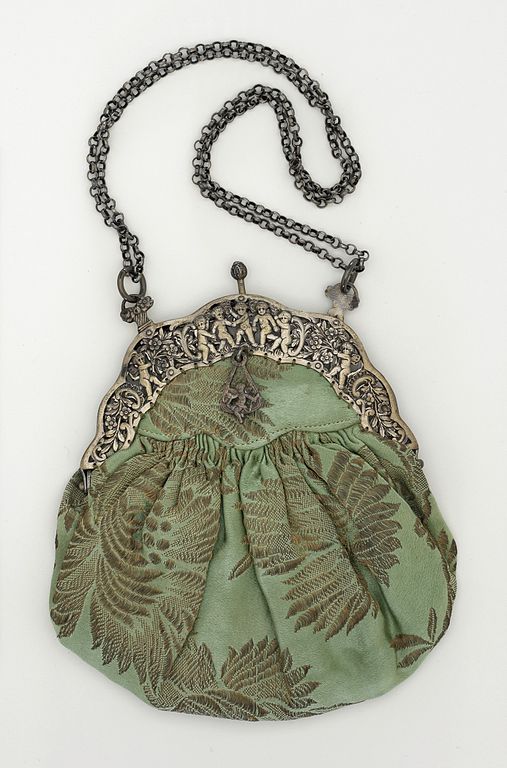
In the 18th century, men also carried purses known as “reticules” to hold personal items like snuffboxes and money.

The world’s largest collection of handbags belongs to the Houston Museum of Natural Science and features over 800 purses.

In Japan, it is considered impolite to place a purse on the ground as it is seen as a sign of disrespect.

The first handbags designed for women had no pockets, as pockets were considered masculine at the time.

The practice of carrying a rabbit’s foot in a purse for good luck originated in the early 20th century.

The first designer handbag was created by the luxury brand Hermès in 1922.

Some high-end designer purses can take up to 18 hours to create by hand.

In ancient Egypt, both men and women wore small pouches tied around their waist, known as “chatelaines,” to carry their belongings.

The term “clutch” originated in the 19th century and referred to a small purse that women could “clutch” in their hands.

The clutch purse gained popularity during the 1920s when women needed a small, elegant bag to complement their flapper dresses.

The term “wristlet” refers to a small purse with a strap or handle that can be worn around the wrist.

In some cultures, carrying an empty purse is considered bad luck, as it represents financial loss.

The modern backpack was originally designed in the 1930s as a purse for hiking and outdoor activities.

In the 19th century, women’s dresses often had hidden pockets sewn into the seams to carry small purses.

The first zippered purse was introduced in the 1920s and quickly became popular for its convenience.

The term “satchel” refers to a large, structured purse with a handle and a flap closure.

Posted on Leave a comment

Fashion

“Fashion is a form of ugliness so intolerable that we have to alter it every six months.”
-Oscar Wilde

In the 16th century, shoes with a long, curved toe called “poulaines” were popular among the nobility. Some poulaines were so long that the tips had to be fastened to the legs with chains to prevent the wearer from tripping over them.

At one time in Japan, fashionable women painted their teeth black.

During the French Revolution, it became fashionable to wear red ribbons around the neck to show support for the guillotine.

In Italy, a fashion custom that was in vogue for a while was that women would shave the hair off the front of their heads.

3,500 years ago, not only did women in Egypt remove all the hair from their heads, they also polished their heads to a mirror-like finish.

This is a showcase site for Jeff Napier of US-Web-Design. Surprisingly low-cost solutions for all your website and marketing needs. More...

The United States Treasury Department spent thousands of dollars to issue a report on the monetary value of tuxedos. It contains 54 pages. The only ones who read this report are employees of the IRS.

When London inventor James Hetherington first wore his new invention, the top hat, in 1797, it caused quite a stir. He was immediately thrown in jail because he “appeared on the public highway wearing upon his head a tall structure of shining luster and calculated to disturb timid people.”

Men’s jackets button up with the left side overlapping the right so the clothing will not be in the way when the man has to quickly draw a sword or gun. Women’s clothing buttons the other way to make breast feeding easier.

This assumes right-handed individuals. 11.11% of people are left-handed.

The first fashion magazine, “The Cabinet des Modes,” was published in Paris in 1785.

Mayan Indians used to shape their teeth. They would make their front teeth pointed and carve holes into which were mounted jewels.

Sometimes people go to what others would consider ridiculous lengths to make themselves look appealing. Some women about 1,000 years ago squirted a plant juice into their eyes, believing that the way it dilated their pupils was attractive.

“If I want to knock a story off the front page, I just change my hairstyle.” – Hilary Clinton

American women spend $900 million per year on lipstick.

Why was it illegal to buy more than three pairs of shoes in the United States during the 1940’s? Leather was needed for the war effort. Most shoes at that time were made almost entirely from leather, yet today many are made from cloth, plastic and synthetic rubber.

The term “denim” comes from the French phrase “serge de Nîmes,” which refers to the fabric’s origin in the town of Nîmes, France.

When Marie Antoinette became pregnant, many of the fashionable women of Paris started wearing padding over their stomachs. As the pregnancy developed, the ladies wore thicker and thicker pads. When her child was born, the women’s fashions all returned to normal dimensions.

Marie Antoinette
Marie Antoinette

The iconic Chanel No. 5 perfume was created by Coco Chanel in 1921.

In the 1960s, it was fashionable for women to wear dresses made entirely out of paper.

In the Middle Ages, a person’s social status could be determined by the color and fabric of their clothing.

The first recorded use of the word “jeans” was in 1567.

The oldest pair of pants in the world were found in China and are believed to be over 3,000 years old.

High heels were originally designed for men and were worn by Persian soldiers to help them stay in their stirrups.

In the 18th century, women’s hairstyles became so elaborate that they had to be created with the help of wire frames.

The term “fashionista” was first used in the 1990s to describe someone who is passionate about fashion.

In the 19th century, women wore “cage crinolines,” which were metal hoops worn under their skirts to give them a bell shape.

The corset, a garment designed to shape the waist and hips, has been worn since ancient times.

In the 1920s, women’s fashion became more androgynous, with shorter hemlines and looser silhouettes.

According to a study by Sears, Roebuck, women have become less curvy, more tube-shaped during the past century.

The color purple was once considered the most expensive and luxurious color to wear because it was made from a rare mollusk found only in the Mediterranean Sea.

In the 19th century, women’s clothing often included a “bustle,” a padded or boned structure worn at the back of the waist to enhance the hips and buttocks.

The earliest known pair of high heels were worn by King Louis XIV of France in the 17th century.

In the 1960s, the “mod” style became popular, characterized by bold patterns, bright colors, and geometric shapes.

During World War II, rationing of clothing and textiles led to the popularity of “make do and mend” initiatives and the creation of clothing from unusual materials, such as old parachutes and curtains.

The first fashion show was held in 1903 by designer Paul Poiret.

In the 18th century, “macaroni” was a term used to describe men who dressed in an exaggeratedly foppish and effeminate style.

The bikini, a two-piece swimsuit, was introduced by French designer Louis Réard in 1946.

In the 1970s, platform shoes became popular, with some styles reaching heights of over 12 inches (30 cm).

Power dressing was a fashion trend in the 1980s that emphasized strong, authoritative, and successful looks for women in the workplace. The trend was characterized by tailored suits with shoulder pads, oversized jackets, and wide belts. The idea behind power dressing was that the right clothes could help women to look and feel more confident and assertive in traditionally male-dominated workplaces. The trend was popularized by influential women such as Margaret Thatcher, the first female British Prime Minister, and high-profile businesswomen in the United States. The power dressing trend was often criticized for being too masculine and for reinforcing gender stereotypes, but it also helped to pave the way for greater acceptance of women in positions of power and authority.

The following was found in a book written in 1858:

“Female dress: It is well known that a loose and easy dress contributes much to give the sex the fine proportions of body that are observable in the Grecian statues, and which serve as models to our present artists, nature being too much disfigured among us to afford any such. The Greeks knew nothing of those Gothic shackles, that multiplicity of ligatures and bandages with which our bodies are compressed. Their women were ignorant of the use of whalebone-stays, by which ours distort their shape instead of displaying it. This practice, carried to so great an excess as it is in America, must in time degenerate the species, and is an instance of bad taste. Can it be a pleasant sight to behold a woman cut in two in the middle, as it were like a wasp? On the contrary, it is as shocking to the eye as it is painful to the imagination. A fine shape, like the limb, hath its due size and proportion, a diminution of which is certainly a defect. Such a deformity also would be shocking in a naked figure; wherefore, then, should it be esteemed a beauty in one that is dressed? Everything that confines and lays nature under a restraint is an instance of bad taste. This is as true in regard to the ornaments of the body as to the embellishments of the mind. Life, health, reason, and convenience, ought of be taken first into consideration. Gracefulness cannot subsist without ease; delicacy is not debility; nor must a woman be sick in order to please.”

Victorian dress

For a while in Greenland it was fashionable for women to paint their faces blue and yellow.

See also: Clothing.

See also: Shoes.

Posted on Leave a comment

Clothing

During World War II, women’s skirts became shorter and more practical to conserve fabric.

In the 1930s, men’s suits often had padded shoulders to create a more muscular silhouette.

In the 16th century, shoes with a long, curved toe called “poulaines” were popular among the nobility. Some poulaines were so long that the tips had to be fastened to the legs with chains to prevent the wearer from tripping over them.

During the Victorian era, it was considered inappropriate for women to wear underwear with their dresses.

In medieval Europe, red was the most expensive and prestigious color to dye clothing.

When sailors used to wipe their noses on their coat cuffs, it tended to gross out their captains. This is why buttons on coat cuffs were invented.

This is a showcase site for Jeff Napier of US-Web-Design. Surprisingly low-cost solutions for all your website and marketing needs. More...

In ancient Rome, wearing a purple toga was a privilege reserved only for the emperor.

The brassiere was patented in 1914.

Recent research has been determined that three out of every four women wear the wrong size bra.

During the Renaissance, men’s shoes often had extremely long toes that were stuffed with wool or hay.

When Fath Ali Shah of Iran was coronated in 1797, he wore 170 pounds (77 kg) of clothing covered with gold and jewels.

In the 18th century, women’s dresses often had pockets that were hidden in the folds of their skirts.

In the 1920s, women’s stockings were made from silk and were often decorated with intricate patterns.

In the 1960s, men’s fashion was heavily influenced by the space race and included futuristic styles like metallic fabrics and jumpsuits.

In the 1970s, platform shoes became popular, with some styles featuring heels that were over 10 inches (24cm) tall.

In the 18th century, men’s fashion included high-heeled shoes, which were seen as a sign of masculinity.

In the 19th century, women’s dresses were so heavy and cumbersome that they often required the assistance of a servant to put them on.

In some cultures, it is customary for women to wear clothing that completely covers their bodies, including their faces.

In ancient Egypt, wealthy women would wear jewelry sewn into their clothing, including dresses and headdresses.

During the Renaissance, women’s dresses often had exaggerated hips and waists that were created using padding or hoops.

In the 1960s, men’s fashion included brightly colored suits, often made from polyester fabrics.

In some African cultures, clothing is used to signify social status and can be extremely elaborate and ornate.

In the 19th century, women’s undergarments included corsets, which were designed to create an hourglass figure but could also cause health problems. Women fainting in that era was common, often caused by overheating or the inability to breathe properly due to their corsets.

In the 1980s, leg warmers were a popular fashion accessory, often worn over leggings or tights.

In ancient Greece, women often wore tunics that were fastened at the shoulders with brooches or pins.

In the 1920s, flapper dresses were popular, featuring short hemlines and loose-fitting silhouettes.

In the 1960s, the mini-skirt became a popular fashion trend, with some styles featuring hemlines that were only a few inches long.

1970s style mini-skirt
1970s-style mini-skirt

In some cultures, it is customary for men to wear skirts or dresses as part of their traditional clothing.

In the 19th century, women’s dresses often included bustles, which were designed to enhance the shape of the buttocks.

In the 1970s, bell-bottom pants were popular, with some styles featuring extremely wide legs that were almost as wide as the hips.

See also: Fashion.

See also: Shoes.

Posted on Leave a comment

Hats

In the 16th century, Queen Elizabeth I of England passed a law that required all men over the age of six to wear a hat on Sundays and holidays.

The most expensive hat ever sold was a $2.7 million diamond-studded hat created by British designer Louis Mariette.

In some cultures, hats are worn as a sign of fertility or virility.

The word “hat” comes from the Old English word “hæt”, which means “covering for the head”.

When London inventor James Hetherington first wore his new invention, the top hat, in 1797, it caused quite a stir. He was immediately thrown in jail because he “appeared on the public highway wearing upon his head a tall structure of shining luster and calculated to disturb timid people.”

The first hats were made of straw or felt and were worn by ancient Greeks and Romans.

This is a showcase site for Jeff Napier of US-Web-Design. Surprisingly low-cost solutions for all your website and marketing needs. More...

In medieval Europe, hats were a sign of social status and were often made of expensive materials like silk and velvet.

The hat-making industry peaked in the early 20th century, with over 100,000 people employed in the trade in the United States alone.

The world’s largest hat was created in 2011 and measured 14.25 meters (46 feet and 9 inches) in circumference.

In the 19th century, women’s hats were so large and elaborate that they often had to be held in place with hatpins, which could be up to 12 inches long.

In Japan, there is a traditional hat called a “kanmuri” that is worn by emperors and empresses during important ceremonies.

In some cultures, hats are worn as a sign of mourning or respect for the dead.

In the 18th century, men’s hats were often decorated with ostrich feathers or other exotic materials.

In the United States, the top hat became a symbol of wealth and sophistication in the 19th century.

The Panama hat is actually made in Ecuador, not Panama.

The bowler hat was invented in the mid-19th century as a more practical alternative to the top hat.

The term “mad as a hatter” comes from the fact that in the 19th century, hat makers often used mercury to soften the felt used in hats, which is toxic and caused them to go insane over time.

In some African cultures, hats are worn to indicate a person’s tribe or social status.

In the 1960s, the pillbox hat became popular with women, thanks in part to Jacqueline Kennedy’s fondness for the style.

In some cultures, hats are worn as a form of protection from the sun or other elements.

In the early 20th century, the “Flapper” style of hat became popular with young women, featuring a close-fitting, brimless design.

The balaclava, a type of hat that covers the head, neck, and face, is named after the town of Balaklava in Crimea.

In some cultures, hats are worn as a sign of religious devotion.

Observant Jewish men are required to wear a hat, but over time, realizing that the hat doesn’t have to be large, have created very small, simple hats called yarmulkes. Some Orthodox Jewish men wear very elaborate, large fur hats that can cost upward of $5,000.

In the 18th century, women’s hats often featured large, ornate decorations like fruit, flowers, and even miniature ships.

In some cultures, hats are worn as a sign of authority or rank.

The fedora, a style of hat that became popular in the 1920s, is named after the heroine of a play by Victorien Sardou.

In some cultures, hats are worn as a form of camouflage or disguise.

The beret, a round, flat hat typically made of wool, has been worn by soldiers and artists alike throughout history.

In some cultures, hats are worn as a sign of marriage or betrothal.

The tricorn, a three-cornered hat popular in the 18th century, is sometimes worn by members of fraternal organizations like the Shriners.

The dunce cap, a pointed hat worn as a punishment in schools, originated in the 13th century.

The sombrero, a broad-brimmed hat worn in Mexico and other Latin American countries, means “shadower” in Spanish.

The fez, a cylindrical hat with a tassel, is traditionally worn by men in Morocco and other North African countries.

In some cultures, hats are worn as a sign of mourning for a deceased loved one.

The Zucchetto, similar to a Jewish yarmulke, is a small skullcap worn by Catholic clergy, including the Pope.

The tam o’ shanter is a Scottish cap with a pom-pom on top.

In some cultures, hats are worn as a sign of resistance or protest.

The shako is a tall military hat with a flat top and a visor, originally worn by Hungarian hussars in the 18th century.

The Hennin is a tall, pointed hat worn by women in the 15th century, often with a veil attached.

The toque is a chef’s hat, traditionally made of white fabric and with a tall, pleated top.

In some cultures, hats are worn as a sign of protection from evil spirits or bad luck.

The keffiyeh is a traditional headdress worn by Arab men and women, often in black and white checkered pattern.

The busby is a tall fur hat with a plume, traditionally worn by cavalry soldiers in the British Army.

In some cultures, hats are worn as a sign of hospitality or welcome.

The mortarboard is a flat, square hat worn by graduates during commencement ceremonies.

The ushanka is a Russian fur hat with earflaps that can be tied up to the crown of the hat.

The cowboy hat, with its wide brim and high crown, is a symbol of the American West.

You’ll see some rather odd hats at OddGiftFinder.com

Posted on Leave a comment

Shoes

The oldest shoes ever discovered are 9,000 years old and were found in Fort Rock Cave in Oregon, USA.

Until 1818 shoes were interchangeable, there was no difference between right and left shoes. King George IV of England changed the tradition by ordering a set of boots made to fit specific feet.

The average American woman owns 19 pairs of shoes, while the average American man owns 10 pairs.

The high heel was invented for men, not women. It was originally worn by Persian soldiers in the 15th century to help them keep their feet in stirrups while riding horses.

In the 16th century, shoes with a long, curved toe called “poulaines” were popular among the nobility. Some poulaines were so long that the tips had to be fastened to the legs with chains to prevent the wearer from tripping over them.

Why was it illegal to buy more than three pairs of shoes in the United States during the 1940’s? Leather was needed for the war effort. Most shoes at that time were made almost entirely from leather, yet today many are made from cloth, plastic and synthetic rubber.

This is a showcase site for Jeff Napier of US-Web-Design. Surprisingly low-cost solutions for all your website and marketing needs. More...

The first rubber-soled shoes were made in the 1830s by the American inventor Charles Goodyear.

The world’s most expensive pair of shoes, worth $17 million, were created by the designer Debbie Wingham and feature gold, diamonds, and other precious stones.

The first sneakers were made in 1917 by the Converse Rubber Shoe Company and were originally called “All Stars.”

The term “sneakers” was coined in the late 1800s because the rubber soles allowed people to walk quietly, or “sneak” around without making noise.

The average American spends around $300 a year on shoes.

The oldest known leather shoe was found in Armenia and dates back to around 3,500 BC.

The world’s largest shoe store, the ShoeMart in Connecticut, USA, has over 1.5 million pairs of shoes in stock.

The tallest high heels ever made were 20 inches (50.8 cm) tall and were created by the French designer Christian Louboutin.

The longest shoelace ever recorded was over 2,400 feet (0.73km) long and was made in Germany in 2004.

The average person takes 8,000 to 10,000 steps a day, which adds up to about 115,000 miles (185,000 km) over a lifetime. That’s more than 4 times around the equator.

The first running shoes were made in the 1860s and were called “trainers.”

The first platform shoes were worn by actors in Ancient Greek plays to make them look taller and more imposing.

The oldest known pair of women’s shoes with high heels dates back to the 1680s and was made in Venice, Italy.

The world’s largest shoe manufacturer is Nike, which produces over 900 million pairs of shoes each year.

The first shoes specifically designed for basketball were made in the 1920s and were called “Chuck Taylors” after the basketball player who endorsed them.

The world’s fastest recorded mile was run in 3 minutes and 43 seconds by Hicham El Guerrouj of Morocco while wearing a pair of Nike track spikes.

The first boots were worn by ancient nomads in what is now Russia over 5,000 years ago.

The first women’s dress shoe with a pointed toe was designed in the 14th century in Italy and was called the “poulaine.”

The first pair of Air Jordans, created in 1985 by Nike, was banned by the NBA because they did not meet the league’s dress code.

See also: Clothing.

See also: Fashion.