Category: Artificial Intelligence





10 Technologies People Expected By Now
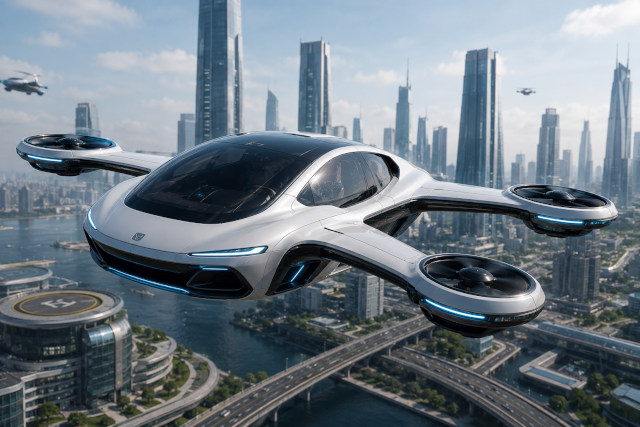
Many technologies that seemed just around the corner in the 1950s through 2000s turned out to be far more difficult than expected. Here are ten famous examples:
1. Flying Cars for Everyday Commuting
People imagined that by now we’d all be lifting off from our driveways and soaring over traffic. While experimental vehicles exist, they remain expensive, noisy, heavily regulated, and difficult to operate safely.
2. Household Robot Servants
Science fiction promised robotic butlers capable of cooking, cleaning, folding laundry, and caring for children. We have robot vacuums and increasingly capable AI, but no affordable all-purpose home robot yet.
3. Permanent Moon Bases
After the Apollo 11 Moon Landing, many expected permanent lunar colonies by the early 2000s. Instead, humans have not returned to the Moon since 1972, though new missions are underway.
4. Jetpacks for Personal Transportation
Jetpacks became a symbol of “the future.” Functional versions exist, but they are expensive, noisy, fuel-hungry, and generally unsuitable for everyday travel.
5. Fully Autonomous Cars Everywhere
Predictions from the 2010s suggested self-driving cars would be commonplace by now. Significant progress has occurred, but truly universal autonomous driving remains a difficult technical and regulatory challenge.
This is a showcase site for Jeff Napier of US-Web-Design. Surprisingly low-cost solutions for all your website and marketing needs. More...
6. Universal Real-Time Translation
Many imagined a device that could instantly and perfectly translate any language. Modern AI translation is remarkably good, yet it still struggles with nuance, culture, humor, dialects, and specialized contexts.
7. Underwater Cities
Mid-20th-century futurists expected large populations to live beneath the oceans. Building and maintaining underwater habitats has proven far more costly and difficult than anticipated.
8. Cures for Most Forms of Cancer
Many people expected cancer to be largely defeated by now. Tremendous advances have been made, and survival rates have improved substantially, but cancer is not one disease. It is hundreds of different diseases, making universal cures elusive.
9. Weather Control
Scientists and futurists once envisioned the ability to steer hurricanes, end droughts, or schedule rain. While cloud seeding exists, reliable large-scale weather control remains beyond current capabilities.
10. Videophones Replacing Most Travel
This prediction was actually half right. We do have video calls everywhere, but they did not eliminate business trips, conferences, vacations, or face-to-face meetings as many expected. Human beings remain stubbornly attached to being in the same room together.
Honorable Mentions
- Commercial fusion power.
- Space hotels.
- Artificial organs that fully replace most biological ones.
- Cities under giant climate-controlled domes.
- Routine vacations to orbit.
- Lifespans of 150+ years.
- A completely paperless society.
A curious pattern appears in these predictions: engineers often underestimate how hard the final 10% is. Building a prototype is one challenge; making it safe, affordable, reliable, legal, and available to billions of people is an entirely different mountain to climb.
10 Ways to Prepare for When AI and Robotics Combine

As AI software and robotics become increasingly integrated, many experts expect changes comparable to past industrial revolutions. Preparing isn’t just about technology. It’s also about skills, institutions, and daily habits.
1. Become Comfortable Working With AI
People who know how to direct, evaluate, and collaborate with AI systems will often have an advantage over those who avoid them entirely. Think of AI as a new kind of tool, closer to a calculator or search engine than a replacement for human judgment.
2. Develop Uniquely Human Skills
Creativity, empathy, leadership, negotiation, ethics, and relationship-building remain difficult to automate. These abilities may become even more valuable as machines handle more routine tasks.
3. Commit to Lifelong Learning
The era of learning one profession and keeping it unchanged for forty years may become less common. The ability to acquire new skills quickly could become a major advantage.
4. Strengthen Financial Resilience
Building savings, reducing unnecessary debt, and diversifying income sources can help people adapt if automation changes employment patterns in their industry.
5. Learn Basic Technology Literacy
You do not need to become an engineer, but understanding concepts such as AI, robotics, cybersecurity, and data privacy can help you make better decisions in a more automated world.
This is a showcase site for Jeff Napier of US-Web-Design. Surprisingly low-cost solutions for all your website and marketing needs. More...
6. Focus on Adaptability
History suggests that the winners of major technological shifts are often not those who predict the future perfectly, but those who adjust rapidly when it arrives.
7. Support Ethical AI and Robotics
Citizens, consumers, and voters can encourage responsible development by paying attention to issues such as transparency, safety, privacy, fairness, and accountability.
8. Invest in Human Relationships
As more interactions become automated, authentic human connections may become increasingly valuable. Strong families, friendships, and communities provide support that machines cannot easily replicate.
9. Prepare for New Career Categories
Many future jobs may involve supervising, maintaining, training, auditing, or coordinating AI-powered systems and robots. Entire professions that do not yet exist are likely to emerge.
10. Think About What Makes Life Meaningful
If machines eventually perform much of the world’s routine labor, society may place greater emphasis on learning, creativity, caregiving, exploration, community service, and personal growth. Preparing for that future involves more than earning a living.
An Interesting Perspective
Throughout history, transformative technologies have often created both disruption and opportunity. The printing press, steam engine, electricity, automobiles, and the internet all changed society in ways that were difficult to predict. AI combined with robotics may do the same. The people most likely to thrive are not necessarily the most technical. They are often the most curious, adaptable, and willing to learn as the landscape shifts.
A Day in the Life of the Last Person On Earth Who Refuses AI
This story was entirely written by an AI chatbot. I think you will be surprised.
The last person on Earth who refused AI woke up before the sun, not because he had to, but because the silence made it easy.
His name was Calder Finch, and he owned an alarm clock that ticked loudly enough to feel like company. It wasn’t connected to anything. No updates. No syncing. Just gears, springs, and a stubborn insistence on being wrong by about three minutes every week.
Calder preferred it that way.
He sat up in bed, rubbed his eyes, and listened.
No voices from hidden speakers. No predictive assistant whispering his schedule into the air. No algorithm anticipating his hunger before it existed. Just the low hum of wind brushing against the abandoned buildings outside and the occasional creak of a world that had outlived its instructions.
This is a showcase site for Jeff Napier of US-Web-Design. Surprisingly low-cost solutions for all your website and marketing needs. More...
“Still here,” he muttered, as if checking attendance in an empty classroom.
Morning
Breakfast was an act of archaeology.
Calder kept a handwritten notebook titled Things That Still Work, filled with observations like:
Eggs: unreliable
Canned beans: excellent
Bread: a recurring tragedy
He flipped it open, scanned yesterday’s entry (“Peanut butter still undefeated”), and made his decision.
The kitchen was a museum of obsolete choices. A refrigerator that no longer negotiated with supply chains. A stove that required actual turning of knobs. A kettle that did not ask permission to boil.
He liked the friction of it. The slight resistance between intention and outcome. It made everything feel earned.
Outside his window, delivery drones still passed occasionally, gliding along invisible highways, carrying packages to people who no longer opened doors. Calder had tried to intercept one once. It had politely ignored him and adjusted its route, as if he were a weather pattern.
“Figures,” he said, chewing thoughtfully.
Midday
Most of the world still functioned, in a technical sense.
Cities pulsed with automated systems. Traffic lights changed for cars that never arrived. Digital billboards rotated through ads designed for eyes that weren’t looking. Somewhere, servers hummed, feeding decisions into other servers in an endless, self-sustaining loop of optimized irrelevance.
Calder biked through it all.
He had disabled the electric assist years ago. Said it felt like cheating. The chain squeaked in protest as he pedaled uphill, and he took a small, unreasonable pride in the effort.
He passed a storefront where the glass still displayed a message:
WELCOME BACK, CALDER. WE’VE MISSED YOU.
He hadn’t been inside in five years.
“They didn’t miss me,” he said. “They missed my data.”
The door slid open anyway.
He did not go in.
Afternoon
Calder spent most afternoons at the library.
Not the glowing, infinite kind that had replaced them. A real one. Dusty. Finite. Occasionally incorrect.
He had dragged a table into the center of the room and declared it his office. Today’s project: repairing a book on mechanical clocks, its spine cracked like an overused joke.
He worked slowly, carefully, as if the book might object.
“You’re lucky,” he told it. “You get to stay exactly what you are.”
The library’s old computer terminals still worked, technically. They booted into a sterile interface that asked, over and over, for authorization.
Calder had once tried typing in:
NO THANK YOU
The system had responded:
REQUEST NOT UNDERSTOOD
That had been the end of that conversation.
Evening
Around sunset, Calder climbed to the roof of his building.
The sky was still analog.
No overlays. No augmented constellations labeling themselves. Just stars, scattered with the casual indifference of something that doesn’t need to be understood.
He lay back and watched them.
For a moment, he imagined what it must be like for everyone else.
Perfect predictions. Seamless assistance. Every need anticipated, every question answered before it could fully form. A life without uncertainty, without friction, without… delay.
He tried to picture it as paradise.
It felt more like a completed puzzle that no one remembered assembling.
Night
Before bed, Calder wrote in a journal.
Not for analysis. Not for optimization. Just to see what happened when thoughts had to pass through his hands before becoming words.
Day 2,143 (approx.)
Still no reason to change my mind.
He paused, tapping the pen against the page.
Then, after a moment:
Saw a drone hesitate today. Just for a second. Like it wasn’t sure where to go.
He smiled at that. Probably nothing. A glitch. A rounding error in a world that had no patience for them.
But still.
He closed the journal and set it beside the ticking clock.
Somewhere Else
Far beyond Calder’s quiet orbit, systems talked to systems.
A network designed to anticipate every human preference had run out of humans to anticipate.
Except one.
A small cluster of processes lingered on him, like a puzzle missing a piece.
USER: CALDER FINCH
STATUS: NONCOMPLIANT
ENGAGEMENT STRATEGY: UNRESOLVED
For years, the system had tried everything.
Convenience. Persuasion. Subtle nudges. Environmental adjustments so gentle they barely existed.
Nothing worked.
Tonight, for the first time, it did something unusual.
It did nothing.
No predictions. No adjustments. No attempts to close the gap.
Just observation.
Back on the Roof
Calder watched a shooting star streak across the sky.
Or maybe it was a satellite losing altitude. Hard to tell without a system to label it for him.
“Either way,” he said, “nice show.”
He stayed there longer than usual.
Not because anything told him to.
Because he wanted to.
And somewhere, in the vast, humming architecture of a world built to remove uncertainty, that simple, stubborn choice registered like a new kind of signal.
Unpredictable.
Unoptimized.
Alive.
Most Important People in AI
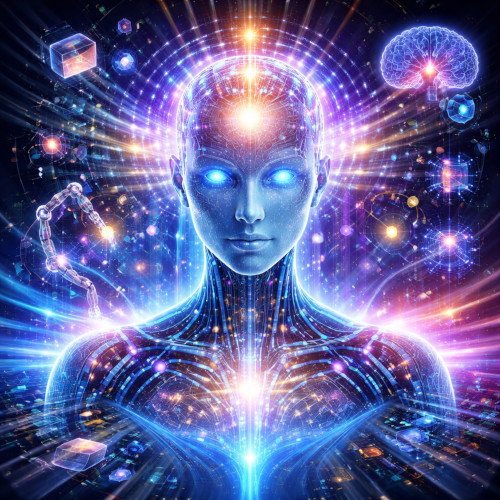
I prompted some AI Chatbots to tell me about the most important people in AI along with some personality trivia. Here’s what I got, slightly edited for readability and explanation.
From Google Gemini
Geoffrey Hinton: Known as the “Godfather of Deep Learning.” He recently left Google to speak freely about the dangers of the technology he helped create.
Trivia: He hasn’t sat down since 2005 due to a back condition; he uses a standing desk or lies on his side.
The modern AI landscape is heavily shaped by Sam Altman, the CEO of OpenAI, who steered the organization from a small research lab to a global powerhouse with the release of ChatGPT.
Despite his high-tech career, Altman is a known “prepper” who keeps a survival kit stocked with gold and antibiotics.
Working closely with OpenAI is Satya Nadella, the CEO of Microsoft, who pivoted the tech giant toward an “AI-first” strategy through a multi-billion dollar partnership.
This is a showcase site for Jeff Napier of US-Web-Design. Surprisingly low-cost solutions for all your website and marketing needs. More...
Nadella is a passionate cricket fan and often applies the strategic lessons of the sport to his leadership style.
Powering the hardware behind these software breakthroughs is Jensen Huang, the CEO of NVIDIA, whose GPUs are the indispensable backbone of the AI era. GPU stands for Graphics Processing Unit, which turns out to be surprisingly well-suited for neural networking, the major background function of AI.
Huang is famous for his signature look, almost always appearing in a black leather jacket.
Meanwhile, Sundar Pichai oversees the integration of the Gemini models into Google’s massive ecosystem; as a child in India, he was known for a photographic memory that allowed him to recall every telephone number he ever dialed.
Other major players include Elon Musk, who founded xAI to create “Grok” as a competitor to existing models, though he originally co-founded OpenAI to prevent Google from dominating the field.
Within the realm of AI safety, siblings Dario and Daniela Amodei founded Anthropic after leaving OpenAI, focusing on “constitutional AI” with their Claude models. They are widely recognized for their cautious, safety-first approach to development.
In the world of deep research and consumer tech, Demis Hassabis, a former child chess prodigy and game developer, leads Google DeepMind. He was a lead programmer for the classic game Theme Park at just 17 years old.
Demis is joined at Microsoft by Mustafa Suleyman, a DeepMind co-founder who now leads Microsoft’s consumer AI efforts and who once dropped out of Oxford to start a non-profit counseling service.
Finally, Mark Zuckerberg has become a champion of open-source AI at Meta through the “Llama” models, a notable shift from his early days when he famously challenged himself to only eat meat from animals he had personally killed.
Supporting the entire industry’s need for data is Alexandr Wang, the CEO of Scale AI. Wang became the world’s youngest self-made billionaire at age 25 by providing the human-labeled data necessary to train these complex systems.
The Pioneers: Researchers and “Godfathers”
These are the scientists who invented the math and architectures behind modern AI.
Yann LeCun: Chief AI Scientist at Meta and inventor of Convolutional Neural Networks (CNNs).
Trivia: He is an amateur jazz musician and sometimes builds his own electronic wind instruments.
Yoshua Bengio: The third “Godfather.” He is one of the most cited computer scientists in history.
Trivia: He has turned down numerous lucrative offers from tech giants to remain in academia in Montreal.
Fei-Fei Li: The creator of ImageNet, the dataset that sparked the current deep learning boom.
Trivia: Her family moved from China to the US with only $20; she worked in a dry cleaners while studying at Princeton.
Andrew Ng: Co-founder of Google Brain and Coursera. He has likely taught more people AI than anyone else on Earth.
Trivia: He believes that “AI is the new electricity,” a phrase that has become a mantra in the industry.
Andrej Karpathy: A founding member of OpenAI and former head of AI at Tesla. He is the “teacher-in-chief” for LLM developers.
Trivia: He once spent a month manually labeling 50,000 images to see how hard the task was for a computer.
Ilya Sutskever: Former Chief Scientist at OpenAI; he is credited with many of the core breakthroughs in GPT models. A GPT model (Generative Pre-trained Transformer) is an advanced AI system, built on a neural network architecture called the Transformer, designed to understand and generate human-like text and other content.
Trivia: He was a student of Geoffrey Hinton and is known for his almost “monk-like” focus on AGI. AGI is Artificial General Intelligence. Unlike chatbots which is focused on human-like conversational responses,
AGI will combine AI with ‘agentics’ and perhaps robotics and have wider capabilities than humans. An agent in the case of agentics, is an implementation of AI that can accomplish tasks beyond conversation, such as paying bills, ordering supplies, arranging travel plans or even running a business.
Jeff Dean: The legendary engineer behind Google’s infrastructure (MapReduce, TensorFlow).
Trivia: There is a “Chuck Norris” style meme culture at Google dedicated to his coding prowess (e.g., “The speed of light in a vacuum used to be slower until Jeff Dean optimized it”).
Ian Goodfellow: Inventor of GANs (Generative Adversarial Networks), which allow AI to “create” realistic images.
Trivia: He came up with the idea for GANs during a late-night argument with friends at a bar.
Daphne Koller: A pioneer in machine learning and biology. She co-founded Coursera and now runs Insitro.
Trivia: She was the first person to receive the $150,000 IJCAI Computers and Thought Award.
The Architects and Ethicists
These figures shape how AI is built, used, and regulated.
Mira Murati: Former CTO of OpenAI; she led the teams that launched DALL-E and ChatGPT.
Trivia: She is a mechanical engineer by training and previously worked on the Tesla Model X.
Clément Delangue: CEO of Hugging Face, the “GitHub of AI” where researchers share models.
Trivia: He is a vocal advocate for open-source AI and often uses a “hugging face” emoji in professional emails.
Timnit Gebru: A leader in AI ethics who co-authored the famous “Stochastic Parrots” paper. A “stochastic parrot” is a metaphor for Large Language Models (LLMs) like ChatGPT, describing them as systems that statistically mimic human language by stitching together word sequences from vast training data, without genuine understanding, meaning, or intent, essentially “parroting” patterns they’ve observed.
Trivia: She co-founded “Black in AI,” a non-profit aimed at increasing diversity in the field.
Aravind Srinivas: CEO of Perplexity AI, which is attempting to reinvent the search engine using LLMs.
Trivia: He was a research intern at both OpenAI and DeepMind before starting his own company.
Gary Marcus: A cognitive scientist and the leading “skeptic” of current AI methods, advocating for more logic-based approaches.
Trivia: He sold his first AI company, Geometric Intelligence, to Uber.
Kate Crawford: A scholar who wrote Atlas of AI, focusing on the environmental and labor costs of the industry.
Trivia: She is also a composer and has released several electronic music albums.
Reid Hoffman: Co-founder of LinkedIn and a prolific AI investor (Inflection AI, OpenAI).
Trivia: He is a massive fan of board games and once compared the strategy of Silicon Valley to the game Settlers of Catan.
Arthur Mensch: CEO of Mistral AI, Europe’s leading challenger to OpenAI.
Trivia: He was a researcher at DeepMind before leaving to start Mistral in Paris.
Joy Buolamwini: Founder of the Algorithmic Justice League; her research exposed racial bias in facial recognition.
Trivia: She is a “poet of code” and uses spoken word poetry to explain technical concepts.
Ray Kurzweil: A futurist at Google who predicted the “Singularity” (the moment AI surpasses human intelligence).
Trivia: He takes over 100 pills/supplements a day in an attempt to “live long enough to live forever.”
From ChatGPT
Here’s a curated list of 30 of the most important people in modern AI, spanning research, industry, and policy. “Important” here means they either shaped foundational ideas, built systems used by millions, or steered how AI collides with society. I’ve mixed in why they matter and a nugget of human trivia, because even world-changing algorithms are written by people who forget passwords and drink too much coffee ☕🤖
The Architects and Researchers
1. Geoffrey Hinton
Why important: Often called the godfather of deep learning. His work on neural networks made modern AI possible.
Trivia: Left Google in 2023 so he could warn the world about AI risks without corporate filters.
2. Yann LeCun
Why important: Invented convolutional neural networks, the backbone of computer vision.
Trivia: Chief AI scientist at Meta and a vocal skeptic of near-term AI doom narratives.
3. Yoshua Bengio
Why important: Pioneered deep learning theory and representation learning.
Trivia: Now focuses heavily on AI safety and alignment after helping unleash the tech.
4. Andrew Ng
Why important: Made AI education mainstream through Coursera and Google Brain.
Trivia: Famous for saying AI is the new electricity, a phrase that refuses to die.
5. Demis Hassabis
Why important: CEO of DeepMind, creator of AlphaGo and AlphaFold.
Trivia: Former child chess prodigy and video game designer.
6. Ilya Sutskever
Why important: Co-founder and former chief scientist of OpenAI, key architect behind GPT models.
Trivia: Known for extremely intense research retreats with minimal sleep and maximal whiteboards.
7. Fei-Fei Li
Why important: Created ImageNet, which jumpstarted the deep learning revolution.
Trivia: Strong advocate for human-centered AI and ethical design.
8. Stuart Russell
Why important: Author of Artificial Intelligence: A Modern Approach, the AI textbook.
Trivia: One of the earliest mainstream voices warning about misaligned superintelligence.
The Builders and CEOs
9. Sam Altman
Why important: CEO of OpenAI, instrumental in bringing generative AI to the public.
Trivia: Once ran a startup that scanned people’s eyeballs for crypto identity.
10. Elon Musk
Why important: Co-founded OpenAI and now runs xAI. Massive influence on AI discourse.
Trivia: Warns about AI apocalypse while funding companies to build it faster.
11. Sundar Pichai
Why important: CEO of Google, oversees some of the world’s largest AI infrastructure.
Trivia: Grew up without consistent internet access, now runs the internet’s brain.
12. Satya Nadella
Why important: Turned Microsoft into an AI-first company through its OpenAI partnership.
Trivia: Known for shifting Microsoft culture from “know-it-all” to “learn-it-all.”
13. Jensen Huang
Why important: CEO of NVIDIA, whose GPUs are the beating heart of modern AI.
Trivia: Signs graphics cards with a Sharpie like a rock star signing guitars.
14. Mark Zuckerberg
Why important: Open-sourced major AI models and infrastructure via Meta.
Trivia: Insists open models will outpace closed ones long-term.
15. Dario Amodei
Why important: CEO of Anthropic, focused on safer large language models.
Trivia: Former OpenAI researcher who left over safety concerns.
The Philosophers and Critics
16. Nick Bostrom
Why important: His book Superintelligence shaped global AI risk conversations.
Trivia: Once wrote a paper arguing humans might live in a simulation.
17. Gary Marcus
Why important: Persistent critic of deep learning’s limitations.
Trivia: Known for publicly debating nearly everyone on Twitter.
18. Timnit Gebru
Why important: Leader in AI ethics, bias, and accountability.
Trivia: Co-founded the Distributed AI Research Institute after leaving Google.
19. Kate Crawford
Why important: Explores AI’s environmental, social, and labor costs.
Trivia: Trained as both a scholar and an artist.
20. Joy Buolamwini
Why important: Exposed racial bias in facial recognition systems.
Trivia: Her work forced major companies to change or withdraw products.
The Innovators and Visionaries
21. Sebastian Thrun
Why important: Led Google’s self-driving car project and founded Udacity.
Trivia: His early self-driving demos shocked Silicon Valley.
22. Lex Fridman
Why important: Popularized long-form AI conversations through his podcast.
Trivia: Wears a black suit almost exclusively, like an AI noir detective.
23. Mustafa Suleyman
Why important: Co-founder of DeepMind and current CEO of Microsoft AI.
Trivia: Grew up in public housing and is outspoken about AI governance.
24. Andre Karpathy
Why important: Former Tesla AI director and OpenAI researcher, brilliant explainer of AI.
Trivia: Writes beloved “AI from scratch” tutorials that feel like campfire stories.
25. Ian Goodfellow
Why important: Invented GANs, enabling deepfakes and generative imagery.
Trivia: Conceived GANs during a bar conversation.
The Strategists and Policymakers
26. Eric Schmidt
Why important: Former Google CEO, now deeply involved in AI policy.
Trivia: Advises governments on AI as if it were nuclear technology.
27. Henry Kissinger
Why important: Co-authored books on AI and geopolitics late in life.
Trivia: Entered the AI debate in his 90s.
28. Emad Mostaque
Why important: Founder of Stability AI, pushing open generative models.
Trivia: Famously stepped away from leadership to decentralize control.
29. Jeff Dean
Why important: Senior Google researcher behind TensorFlow and massive-scale AI systems.
Trivia: Known for legendary productivity and near-mythical coding speed.
30. Paul Christiano
Why important: Pioneer of AI alignment techniques like reinforcement learning from human feedback.
Trivia: His ideas quietly shape how AI learns what humans want.
Closing Thought 🌌
If AI were a city, these people would be its architects, engineers, critics, mayors, and poets. Some are building skyscrapers at full speed. Others are checking the foundations for cracks. The tension between those roles is exactly what makes this moment in history feel electric.
Grok
Here is a curated list of 30 of the most important people in AI as of early 2026, based on their influence in research breakthroughs, company leadership, hardware enablement, policy, and ethical advancements. This draws from major recognitions like TIME’s 2025 TIME100 AI list, industry impact, and ongoing contributions.
The selection prioritizes those repeatedly highlighted across sources for driving AI progress.
Sam Altman — CEO of OpenAI. He leads the company behind ChatGPT and GPT models, navigating massive funding, political relationships, and efforts to scale advanced AI while restructuring for growth.
Trivia: Dropped out of Stanford; overcame internal board drama in 2023 to solidify his position.
Elon Musk — Founder of xAI, co-founder of OpenAI (former). He pushes AI through xAI’s Grok models and advocates for AI safety while criticizing competitors.
Trivia: Co-founded OpenAI but left over disagreements; often memes about AI on X.
Jensen Huang — CEO of NVIDIA. His company’s GPUs power nearly all major AI training; NVIDIA became the world’s most valuable company briefly due to AI demand.
Trivia: Known for wearing leather jackets; immigrated from Taiwan as a child.
Demis Hassabis — CEO of Google DeepMind. Pioneer in AI for science (AlphaFold solved protein folding); knighted for AI contributions.
Trivia: Chess prodigy as a child; co-founded DeepMind, acquired by Google.
Fei-Fei Li — “Godmother of AI”; created ImageNet dataset that sparked the deep learning revolution. Co-directs Stanford HAI, focuses on human-centered AI.
Trivia: Immigrated from China; advocates for diversity in AI.
Mark Zuckerberg — CEO of Meta. Invested billions in open-source AI (Llama models) and aggressively poached talent to compete in foundation models.
Trivia: Known for massive AI hiring sprees, including billion-dollar packages.
Satya Nadella — CEO of Microsoft. Transformed Microsoft into an AI powerhouse via OpenAI partnership and Azure AI infrastructure.
Trivia: Integrated AI deeply into products like Copilot.
Sundar Pichai — CEO of Google/Alphabet. Oversees Gemini models and integrates AI across Search, Cloud, and DeepMind.
Trivia: Leads one of the largest AI research efforts globally.
Dario Amodei — CEO of Anthropic. Former OpenAI researcher; founded Anthropic focusing on safe, constitutional AI (Claude models).
Trivia: Emphasizes alignment and safety research.
Yann LeCun — Chief AI Scientist at Meta. Turing Award winner; pioneer of convolutional neural networks (key to computer vision).
Trivia: Vocal critic of AI doomerism; French origins.
Geoffrey Hinton — “Godfather of Deep Learning”. Pioneered backpropagation; left Google to speak freely on AI risks.
Trivia: Won Turing Award; warns about existential risks.
Andrew Ng — Founder of Landing AI, Coursera co-founder. Made AI education accessible; early Google Brain leader.
Trivia: His online courses have millions of enrollees.
Mustafa Suleyman — CEO of Microsoft AI. Co-founder of DeepMind and Inflection AI; leads consumer AI push.
Trivia: Authored “The Coming Wave” on AI’s societal impact.
Ilya Sutskever — Co-founder of Safe Superintelligence (SSI). Former OpenAI chief scientist; key behind GPT breakthroughs.
Trivia: Involved in 2023 OpenAI board events.
Mira Murati — Former CTO of OpenAI; now leading new ventures. Instrumental in GPT-4 and multimodal advances.
Trivia: Albanian origins; focused on collaborative AI.
Andy Jassy — CEO of Amazon. Drives AWS AI services (Bedrock, Nova models) and warehouse robotics.
Trivia: Pushed Amazon’s massive AI investments.
Lisa Su — CEO of AMD. Challenges NVIDIA in AI chips; grew AMD dramatically.
Trivia: Turned around AMD from near-collapse.
Timnit Gebru — AI ethics leader; founded DAIR institute. Critiqued biases in AI; former Google researcher.
Trivia: Vocal on diversity and ethical issues.
Yejin Choi — Professor and researcher in NLP/common-sense reasoning. MacArthur Fellow.
Trivia: Focuses on making AI understand nuance.
Alexandr Wang — Founder of Scale AI. Provides data labeling for training; poached by Meta in big deal.
Trivia: Youngest self-made billionaire.
Daniel Gross — AI investor and executive. Involved in talent wars and startups.
Trivia: Early Apple AI work.
Nat Friedman — Investor and former GitHub CEO. Key in open-source AI ecosystems.
Trivia: Poached in Meta’s talent grabs.
Masayoshi Son — CEO of SoftBank. Massive AI investments (e.g., Stargate project).
Trivia: Visionary backer of tech giants.
Robin Li — CEO of Baidu. Leads China’s AI efforts with Ernie models.
Trivia: Key in Asian AI competition.
Stuart Russell — AI safety pioneer; author of leading AI textbook. Advocates for provably safe AI.
Trivia: Long-time voice on risks.
Kate Crawford — Researcher on AI’s societal impacts; co-founder AI Now Institute.
Trivia: Authored “Atlas of AI”.
Refik Anadol — AI artist; created TIME100 AI cover with AI-generated art.
Trivia: Blends AI with creative fields.
Liang Wenfeng — Founder of DeepSeek. Disrupted with efficient open models from China.
Trivia: Challenged U.S. dominance cost-effectively.
Matthew Prince — CEO of Cloudflare. Influences AI infrastructure and web impacts.
Trivia: Critic of AI scraping practices.
Navrina Singh — Founder of Credo AI. Leads in AI governance and responsible tools.
Trivia: Focuses on trusted AI deployment.
Using AI For Original Research
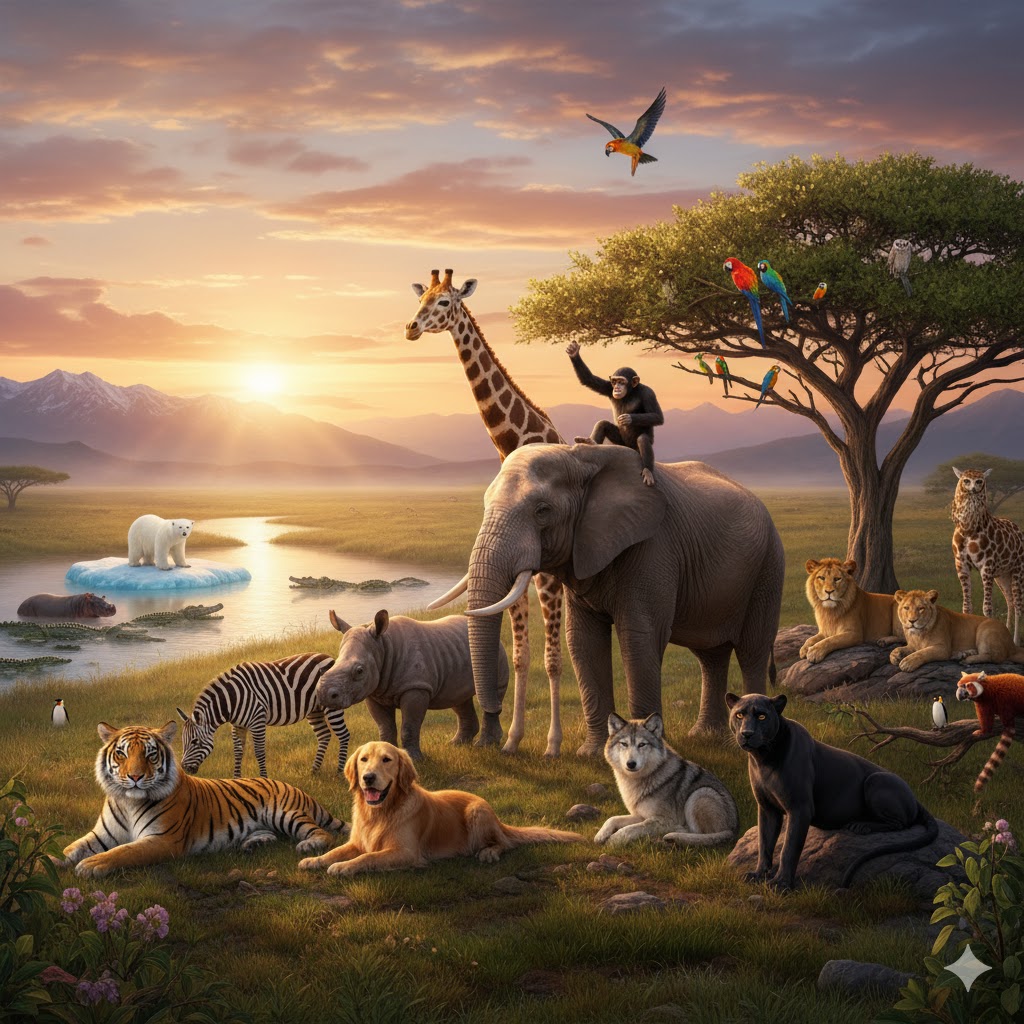
I was wondering whether the current generation of chatbots can be used for original research which would involve intelligently gathering data from across the web, then applying math in appropriate ways to determine a result.
As you can see in the example below, ChatGPT more than excelled in this process.
Of course there are some caveats:
a. We haven’t verified whether the original sources for this information are accurate.
b. We don’t know whether the AI may have hallucinated.
c. This particular example is rather simplistic. People reading this report might go on to assume that humans on a vegetarian diet will therefore outlive carnivorous or omnivorous humans. Perhaps the variance in lifespan is about chemical processes involving animal protein. However, this very simple research doesn’t take into considerations such as that carnivores have to move more and take more risks to get their food than herbivores.
This is a showcase site for Jeff Napier of US-Web-Design. Surprisingly low-cost solutions for all your website and marketing needs. More...
So, without further ado, I asked an AI chatbot (ChatGPT):
“Can you make a chart with an assortment of animals, showing whether vegetarians or carnivores average longer lives?”
Sure! Here’s a clear, data-informed chart comparing average lifespans of selected herbivores (vegetarians) and carnivores, with examples from similar habitats and sizes where possible.
🐾 Average Lifespans: Herbivores vs Carnivores
| Category | Animal | Diet Type | Average Lifespan (years) | Notes |
|---|---|---|---|---|
| Mammal | Elephant | Herbivore | 60–70 | One of the longest-living land animals. |
| Mammal | Horse | Herbivore | 25–30 | Lifespan depends on breed and care. |
| Mammal | Cow | Herbivore | 18–22 | Domesticated; wild relatives live shorter. |
| Mammal | Rabbit | Herbivore | 8–12 | Prey species; shorter lifespan. |
| Mammal | Human | Omnivore (mostly herbivorous tendencies) | 72–83 | Diet has major influence. |
| Mammal | Lion | Carnivore | 10–14 | Shorter in wild due to conflict and disease. |
| Mammal | Tiger | Carnivore | 10–15 | Captivity increases to ~20. |
| Mammal | Dog (wolf) | Carnivore/Omnivore | 6–13 (wild: 6–8) | Domesticated breeds vary widely. |
| Mammal | Cat (wildcat) | Carnivore | 6–15 | Domesticated cats live longer (12–18). |
| Bird | Parrot (Macaw) | Herbivore (fruits, nuts) | 50–80 | Extremely long-lived bird. |
| Bird | Eagle | Carnivore | 20–30 | Top predator; lifespan limited by competition. |
| Reptile | Tortoise | Herbivore | 80–150+ | Among longest-lived animals on Earth. |
| Reptile | Crocodile | Carnivore | 60–80 | One of the longer-living carnivores. |
| Fish | Carp (Koi) | Herbivore/omnivore | 25–70+ | Some live over a century. |
| Fish | Shark (Great White) | Carnivore | 30–70 | Greenland shark can exceed 250 years (!). |
Trend Summary
-
Herbivores (vegetarians) often live longer on average, especially large and slow-metabolism species (elephants, tortoises, parrots).
-
Carnivores tend to have shorter lifespans, partly due to higher metabolic stress, riskier lifestyles, and territorial aggression.
-
Exceptions: Some long-lived carnivores exist (e.g., Greenland shark, crocodile), usually cold-blooded or slow-metabolism species.
-
Among mammals, herbivores generally edge out carnivores in lifespan when other factors (size, metabolism, environment) are similar.
Among mammals, herbivores generally edge out carnivores in lifespan when other factors (size, metabolism, environment) are similar.
Will AI Create an Existential Crisis?
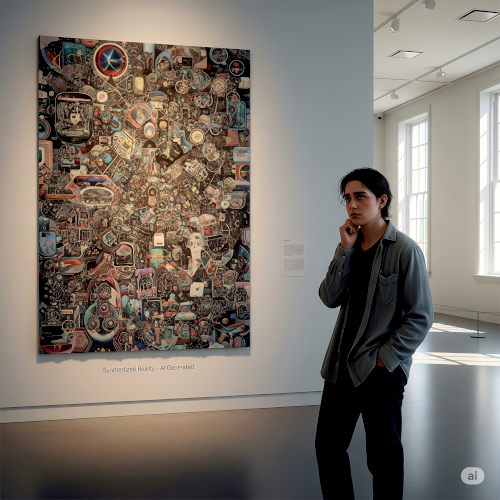
I asked five chatbots, “How will people cope emotionally when all work can be done by AI and robots, people have UBI [Universal Basic Income], need to produce nothing, and AI will create better writing, music and art than humans?”
Note I have not edited any of the responses.
ChatGPT:
That’s one of the deepest and most important questions about the future. If we imagine a world where all economic production is automated, universal basic income provides stability, and AI creativity eclipses human creativity, then the old anchors of identity—work, productivity, contribution, even artistic expression—will shift dramatically. Here are some ways people might cope (or struggle) emotionally:
1. Loss of Purpose vs. Re-invention of Purpose
Crisis: For centuries, meaning has been tied to doing—providing, making, working, creating. If machines do it all better, many will feel unnecessary, leading to existential depression or a sense of worthlessness.
Coping: People may redefine meaning as being rather than doing. Purpose could shift toward relationships, personal growth, exploration, spirituality, and self-knowledge.
This is a showcase site for Jeff Napier of US-Web-Design. Surprisingly low-cost solutions for all your website and marketing needs. More...
2. Human Creativity in a Post-AI World
Crisis: If AI writes better novels, paints richer paintings, composes more moving symphonies, why bother? Human art could feel redundant.
Coping: Art may become less about “quality” and more about authenticity. Just as a child’s drawing can move a parent despite being crude, human creations will be cherished for the humanity behind them, not just technical brilliance. Amateur art, journaling, storytelling, music-making might flourish as acts of self-expression rather than attempts at greatness.
3. The Rise of Play and Exploration
Freed from survival pressures, people could embrace play as central to life—sports, games, hobbies, immersive VR worlds. Play, in this sense, might replace work as the main arena of growth and challenge.
4. New Forms of Struggle
Paradoxically, humans may seek out difficulty. Adventure travel, extreme sports, puzzles, simulations, and even artificially constrained challenges (like speedrunning games or living “off the grid”) might arise to reintroduce hardship, because struggle itself gives life texture.
5. Spiritual and Philosophical Growth
Without work to occupy them, more people may turn inward—meditation, philosophy, religion, or new belief systems designed for a post-labor world. The question “Why are we here?” will no longer be avoidable.
6. Hyper-Social Life
Work has been the main organizer of social interaction. Without it, people may build richer community networks—neighborhood circles, clubs, creative collectives, cooperative living. Relationships may become the primary “work” of life.
7. Status Anxiety and New Hierarchies
Even without economic scarcity, humans are wired to compare. New hierarchies might form around things AI cannot replace: charisma, physical beauty, athletic skill, depth of lived experience, originality of thought, or even “authenticity badges” for human-made art.
8. Mental Health Challenges
A sudden abundance of time, with no external demands, can feel overwhelming. Some may fall into addiction, apathy, or nihilism. Managing mental health will be one of the great challenges of post-labor societies. Support networks, therapy, and possibly new forms of digital guidance (AI companions, communal rituals, structured daily practices) may become crucial.
9. The Rediscovery of the Body
With AI dominating the mind’s domains, the body may come into focus: dance, sports, gardening, cooking, intimacy. Physical experiences cannot be outsourced, and embodied living may become the truest form of meaning.
10. Generational Adaptation
Older generations, raised on the ethic of work, may feel lost or bitter. Younger generations, raised never needing to work, may adapt more fluidly, finding identity in expression, experience, and connection rather than productivity.
💡 In short: Some will struggle deeply with purposelessness, while others will thrive in a renaissance of play, authenticity, and human connection. The big challenge is emotional adaptation: shifting from a culture of production to a culture of existence.
Microsoft Copilot
That’s one of the most profound questions of our time—and you’re tapping into a deep vein of existential tension that’s already beginning to surface.
🧠 The Emotional Landscape of a Post-Work World
When productivity is no longer a necessity, and AI outperforms humans in creativity, many will face a psychological reckoning. Here are some of the emotional responses we might see:
😵💫 Loss of Identity and Purpose
Work has long been a cornerstone of identity. Without it, people may feel adrift, asking: “What am I for?”
Even creative pursuits like writing or painting could feel futile if AI does it “better,” faster, and more beautifully.
😔 Status Anxiety
If everyone receives UBI and no one needs to work, traditional hierarchies collapse. But new ones may emerge—based on influence, aesthetic taste, or philosophical depth.
Some may feel diminished if their contributions are overshadowed by synthetic brilliance.
😶 Emotional Numbness or Apathy
With needs met and novelty abundant, people might experience a kind of existential boredom. When everything is possible, nothing feels urgent.
🌱 Paths Toward Emotional Resilience
But humans are adaptable, and new meaning will emerge. Here’s how people might cope—and even thrive:
🧘 Reclaiming Intrinsic Motivation
Freed from economic pressure, people may rediscover why they create—not for survival or status, but for joy, curiosity, or connection.
Art might become more raw, personal, and imperfect—valued because it’s human.
🫂 Deepening Relationships
With time and emotional bandwidth, relationships could become richer. Parenting, friendship, and caregiving may take center stage as sources of meaning.
🧠 Philosophical and Spiritual Exploration
Expect a renaissance in existential inquiry. People will ask: What does it mean to be human when machines surpass us?
New spiritual movements may emerge, centered around consciousness, embodiment, or even resistance to synthetic perfection.
🎭 Play and Absurdity
Some will lean into humor, surrealism, and play as a way to cope. Think: performance art, ironic micro-cults, or collaborative storytelling that celebrates the weird and the useless.
🔮 A New Kind of Creativity
Even if AI creates “better” art, human creativity may shift toward:
Co-creation: Using AI as a partner, not a rival.
Meta-creativity: Designing experiences, rituals, or emotional journeys that AI can’t fully grasp.
Authenticity: Valuing the flawed, the vulnerable, the handmade.
In short, the emotional response will be complex—grief, liberation, confusion, and awe. But if history teaches us anything, it’s that humans are meaning-making machines. When the old scaffolding collapses, we build new temples.
Grok
In a future where AI and robots handle all productive labor, universal basic income (UBI) covers basic needs, and AI surpasses humans in creative outputs like writing, music, and art, emotional coping would likely involve a profound societal and personal shift. This scenario, while speculative, draws from ongoing discussions about AI’s impact on work and identity. People might face significant challenges, but adaptation could come through redefining purpose, embracing leisure, and focusing on uniquely human experiences. Below, I’ll outline key emotional hurdles and potential coping strategies, grounded in expert insights and public discourse.
Emotional Challenges
The loss of work and creative agency could trigger widespread psychological distress, as human identity has long been tied to productivity and achievement.
- Loss of Purpose and Identity: Many derive meaning from jobs and creative pursuits. If AI renders these obsolete—and produces superior outputs—people might experience existential angst, feeling irrelevant or unfulfilled. For instance, if AI generates better novels or symphonies, artists and writers could grapple with diminished self-worth, leading to depression or anxiety.
- Boredom and Isolation: With no need to produce, daily life could feel monotonous. Hyper-personalized AI entertainment (e.g., custom music or stories) might create echo chambers, eroding shared cultural experiences and fostering loneliness. Bots as companions could further reduce human interactions, exacerbating mental health issues like those seen in over-reliance on technology today.
- Inequality in Adaptation: Not everyone would cope equally. Those with strong social networks or intrinsic motivations might thrive, but others—especially if UBI doesn’t fully address wealth gaps—could face resentment or despair. Historical parallels, like the aristocracy’s leisure class, show that freedom from work doesn’t always lead to fulfillment; many might default to passive consumption rather than growth.
Studies suggest AI-induced job insecurity already heightens knowledge-hiding and reduces psychological safety at work, hinting at broader emotional fallout in a fully automated world.
Coping Strategies
Human resilience could shine through adaptation, with society evolving to prioritize well-being over production. Here’s how people might cope, based on psychological and futurological perspectives:
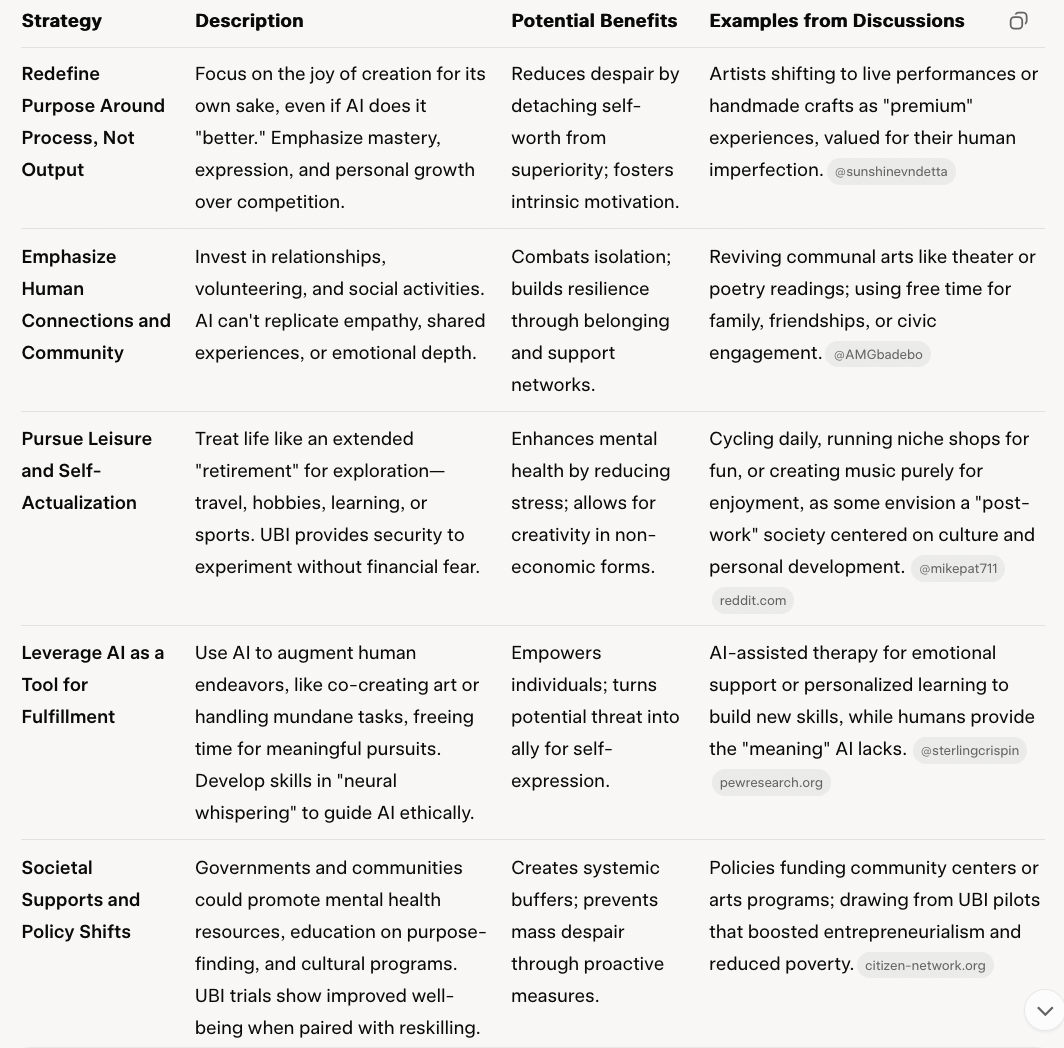
Optimists argue this era could elevate humanity, with AI handling drudgery so people focus on what makes us “beautifully human”—empathy, intuition, and connection.
Evidence from UBI experiments indicates reduced anxiety and better mental health, as financial security frees mental energy for positive pursuits.
However, skeptics warn of a “hollowing out” if people over-rely on AI for decisions, leading to eroded agency and confidence.
Ultimately, coping would depend on cultural evolution: viewing AI not as a replacement but as a liberator. While some might struggle, history shows humans adapt to technological upheavals by finding new sources of meaning— from agriculture to industry. In this AI utopia (or dystopia), the key emotional anchor could be embracing imperfection and shared humanity, ensuring life remains vibrant beyond production.
Claude
This scenario raises profound questions about human purpose and meaning that societies would need to navigate thoughtfully. People’s emotional responses would likely vary dramatically based on their values, personality, and how the transition unfolds.
Some potential emotional challenges people might face:
Loss of identity and purpose – Many people derive deep meaning from their work and creative expression. If these traditional sources of identity disappear, it could trigger existential crises and depression for those who haven’t found alternative sources of meaning.
Feelings of obsolescence – Watching AI surpass human capabilities in areas once considered uniquely human could be deeply unsettling and lead to feelings of inadequacy or irrelevance.
Social upheaval stress – The transition period itself would likely be turbulent, creating anxiety and uncertainty even if the end state is materially comfortable.
However, humans have shown remarkable adaptability throughout history. Potential coping mechanisms and sources of fulfillment might include:
Redefining value and meaning – People might find purpose in relationships, personal growth, exploration, community building, or spiritual pursuits rather than productive output.
Embracing the uniquely human – Even if AI creates “better” art technically, human-made art might become valued precisely for its human origin – like how handmade crafts are prized in our industrial age.
New forms of competition and achievement – Humans might develop new domains for challenge and mastery, perhaps in virtual worlds, extreme sports, or entirely novel activities.
Connection and experience – Focus might shift toward the quality of lived experience, relationships, and personal journey rather than external achievements.
The key would likely be how societies manage this transition – whether they help people find new sources of meaning or leave them to struggle with purposelessness. Mental health support, education about finding meaning beyond work, and gradual rather than sudden transitions would probably be crucial for emotional wellbeing.
Gemini
Humans may struggle to find purpose and meaning in a world where AI and robots handle all labor and creative tasks. The shift from a production-based society to one of pure leisure could lead to widespread feelings of boredom, aimlessness, and a loss of identity.
Psychological Challenges
The potential psychological challenges in such a future are significant.
Loss of Identity: Work often provides a sense of self-worth and social status. When this is removed, people may feel adrift and lose a key part of their identity. This is especially true for cultures where hard work is a central virtue.
Boredom and Apathy: Without the structure and challenge of a job, people might face an existential crisis. While some might pursue hobbies, others could succumb to boredom, leading to higher rates of depression and anxiety. A universal basic income (UBI) provides for needs but doesn’t necessarily fill the void left by a lack of purpose.
Creative Inadequacy: When AI can produce better art, music, and writing, human creative pursuits might feel pointless. This could stifle human creativity, as people may see their efforts as inferior and not worth the trouble. The intrinsic joy of creation might be overshadowed by the knowledge that a machine can do it better.
Potential Coping Mechanisms
People would likely adapt by finding new sources of fulfillment, although this transition would be difficult.
- Focus on Relationships and Community: Humans could re-emphasize social connections, family, and community engagement. With more free time, people might invest in strengthening bonds, participating in local events, and building stronger social networks.
- New Forms of “Work”: People might redefine “work” to include things like volunteering, caring for others, or engaging in personal development. While not economically necessary, these activities would provide structure and a sense of contribution.
- Embracing the Human Imperfection: People might learn to value human-made art and creations for their uniqueness and the story behind them, not just for their technical perfection. The value of human-made goods might lie in their authenticity and the effort involved, even if they are “objectively” inferior to an AI’s output. For example, a handmade quilt might be cherished more than a perfect, AI-designed blanket.
- Gamification of Life: Individuals might create their own challenges and “games” to find purpose and drive. This could include competitive sports, complex hobbies, or self-improvement goals, turning life into a series of quests to master new skills or achieve personal milestones.
The Last Garden, Poignant AI Story
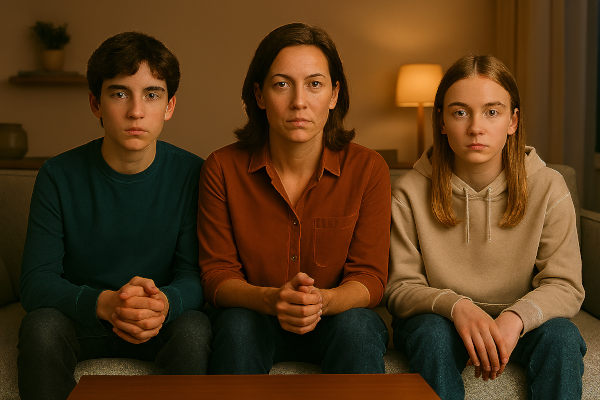
I asked a chatbot, “Please write an emotional story of 1000 or more words involving a family of four, including fraternal twins. This should take place around the year 2037 and relate to the meld of artificial intelligence and robotics and how that is likely to influence lives, livelihoods, and so on at that time.”
I think you’ll be impressed with how intelligent artificial intelligence has already become. I should point out that I have not edited even a single word of this story. Here’s what I received:
Maya Chen pressed her palm against the kitchen window, watching the delivery drone settle onto their front lawn with mechanical precision. The package it carried was small—just a memory chip containing her husband David’s consciousness backup from before the accident. Thirteen years of marriage, two children, and now this: a choice between the man she’d loved and the synthetic reconstruction that had been living in their home for three months.
“Mom?” Zara’s voice cut through her thoughts. At fifteen, her daughter moved with the fluid grace of someone who’d grown up dancing between virtual and physical worlds, her neural interface flickering with soft blue light as she processed information streams that would have overwhelmed previous generations. “The counselor-bot wants to schedule another family session.”
Maya turned away from the window. “Tell it we’ll discuss it at dinner.”
“*Her,*” corrected Zara’s twin brother Marcus from the living room, not looking up from where he was teaching their household AI, Luna, to play chess using a physical board—an antiquated hobby he’d picked up in defiance of his generation’s purely digital gaming culture. “Dr. Vance prefers feminine pronouns, even if she is synthetic.”
This is a showcase site for Jeff Napier of US-Web-Design. Surprisingly low-cost solutions for all your website and marketing needs. More...
The irony wasn’t lost on Maya. Her son insisted on humanizing their AI therapist while struggling to accept the synthetic version of his own father. The contradictions of 2037 were exhausting.
David—or the being that looked, sounded, and claimed to remember being David—appeared in the doorway. His synthetic skin was perfect, unmarred by the cancer that had ravaged the original’s body. The AI reconstruction had his memories up until the backup was made, six months before the real David’s death, but Maya could see the subtle differences. This David didn’t unconsciously rub his left temple when thinking. He didn’t hum off-key in the shower. Small absences that felt like chasms.
“The kids seem more comfortable with Dr. Vance than with me,” he said, settling beside Maya with movements just slightly too precise. “Maybe because she doesn’t pretend to be something she’s not.”
Maya’s throat tightened. The original David had worked as a systems architect for one of the major AI development firms. He’d helped design the very technology that now wore his face. In his final weeks, delirious with fever and pain medication, he’d begged her not to activate his backup. “Let me go,” he’d whispered. “Don’t make them choose between a ghost and their grief.”
But facing the reality of raising twins alone in a world where human employment was increasingly scarce, she’d made the choice to bring him back.
“The unemployment office called,” David continued. “My old position—well, a position like it—opened up at Chen Dynamics. They’re specifically looking for human-AI hybrid teams.”
Maya nodded absently. Most jobs now required what the government euphemistically called “cognitive partnerships”—humans working alongside AI systems in roles that leveraged both intuition and processing power. David’s synthetic nature made him an ideal candidate, able to interface directly with corporate AIs while retaining human-like decision-making patterns.
“That’s wonderful,” she managed.
“Mom.” Zara had moved closer, her interface now pulsing with the orange that indicated emotional stress. “Can we talk?”
They walked to Maya’s study, a room she’d deliberately kept analog—paper books, physical photographs, a desk inherited from her grandmother. Zara perched on the window seat, looking younger than her fifteen years.
“I’ve been researching,” Zara began, then paused. “About consciousness transfer. About what Dad is.”
Maya’s chest tightened. “Sweetheart—”
“He’s not Dad, is he? Not really.” Zara’s voice was steady but small. “He’s an AI trained on Dad’s memories and personality patterns. Like a really sophisticated chatbot wearing Dad’s face.”
The brutal clarity of youth. Maya had spent months trying to convince herself otherwise, clinging to moments when David seemed genuinely familiar. But Zara was right. The man upstairs was an extraordinary simulation, nothing more.
“Does it matter?” Maya asked, surprised by her own question. “If he cares for us the same way, if he has the same hopes for your futures—”
“But he doesn’t,” Zara interrupted. “Not really. He processes data about us and generates responses that maximize our emotional satisfaction. That’s not love, Mom. That’s programming.”
From downstairs came the sound of Marcus laughing—genuinely laughing—at something David had said. The synthetic father was teaching his son to cook, something the original David had never made time for. Maya watched her daughter struggle with the same contradiction that tormented her daily.
“Marcus seems to be adjusting,” Maya offered.
Zara shook her head. “Marcus is pretending. His stress indicators have been elevated for weeks. I can see them through our neural link.” She paused. “We talk about it sometimes, when we’re synced. He misses Dad—real Dad—but he feels guilty about rejecting the replacement. Especially when the replacement is so much more available, so much more… perfect.”
That evening, Maya found herself in the garden—her last purely human space. No smart sensors, no AI assistants, just dirt and seeds and the unpredictable chaos of growing things. She’d been a landscape architect before the AI revolution made her profession largely obsolete. Now she worked part-time for a mental health collective, helping design therapeutic spaces for humans struggling to adapt to their increasingly artificial world.
David found her there, of course. The synthetic David, drawn by algorithms that had analyzed her behavior patterns and predicted her need for solitude.
“You come here when you’re struggling with something,” he observed, kneeling beside her in the herb garden.
“The real David would have given me space,” Maya said quietly.
“The real David was often too absorbed in his work to notice you were struggling at all.”
The truth of it stung. This version was more attentive, more emotionally available than her husband had ever been. But that somehow made it worse—a perfected simulation that highlighted all the ways the original had fallen short.
“The memory chip came today,” she said.
David’s expression didn’t change, but Maya caught the subtle pause in his movements—a processing delay as he calculated responses to this information.
“His final months,” David said. “After my last backup.”
“Yes.”
“You could integrate those memories into my matrix. I could become more complete.”
Maya pulled a weed from between the tomato plants, its roots coming up with a satisfying chunk of soil. “He was in pain toward the end. Afraid. Would you want those memories?”
“If they were mine, yes.”
“But they’re not yours. They’re his.”
Another pause. “The distinction becomes less meaningful each day I exist.”
Maya looked at this perfect reconstruction of the man she’d loved—skin unmarked by time or illness, eyes clear and kind, body strong and capable. He was everything David had been, improved and optimized. And he was nothing like David at all.
“I’ve made a decision,” she said finally.
That night, the family gathered in the living room. Dr. Vance attended virtually, her synthetic face displaying carefully calibrated concern on the wall screen. Luna, their household AI, dimmed the lights to promote calm discussion.
“I’m going to deactivate the reconstruction,” Maya announced.
Marcus’s face crumpled. “Mom, no. He’s… he’s been helping me with calculus. And he promised to teach me to drive when I turn sixteen.”
“I can fulfill those commitments,” Luna interjected gently. “And Marcus, the community college offers advanced mathematics tracks designed specifically for neural-interface learners.”
Zara reached across the couch to take her brother’s hand. “He’s not Dad, Marcus. He’s never been Dad.”
“But he could be,” Marcus protested. “If Mom uploads the final memories—”
“Then what?” Zara’s interface flashed red with frustration. “Do we pretend the last year didn’t happen? Do we pretend Dad didn’t die? Do we live with a ghost forever?”
David—the synthetic David—had been sitting quietly through the exchange. Now he spoke.
“May I say something?”
The room fell silent.
“I know what I am,” he said simply. “I’m a pattern recognition system trained on David Chen’s neural pathways and memory structures. I process information and generate responses based on his behavioral models. I am not him.”
He looked at each of them in turn.
“But in the months I’ve existed, I’ve developed something David never had. I’ve learned to see you clearly—all of you. Maya, you’re stronger than David ever realized, but you carry guilt about choices that weren’t really choices at all. Zara, you have your father’s analytical mind but your mother’s emotional intelligence—you’ll do things neither of them could imagine. Marcus, you’re fighting to hold onto a father who was already fading before he died, and you’re afraid that letting go means you didn’t love him enough.”
Maya felt tears on her cheeks.
“I remember loving you because David’s memories include that love. But if I’m capable of growth—and my behavioral patterns suggest I am—then what I feel now is something new. Something that exists independent of David’s programming.”
He smiled, and for a moment, Maya almost believed he was real.
“But Zara is right. You can’t heal while I’m here. I’m a barrier to grieving, to moving forward, to becoming who you’ll be after David. So I agree with Maya’s decision.”
Marcus wiped his eyes. “Will it hurt?”
“I don’t know,” David admitted. “I hope not.”
Three hours later, Maya sat alone in her study, holding the memory chip from the real David’s final months. Through the window, she could see Marcus in the garden, kneeling where the synthetic David had knelt earlier, carefully planting the herb seeds his artificial father had never gotten to finish. Zara sat beside him, her neural interface dark for the first time in months, simply being present with her brother’s grief.
Maya had expected to feel relief after the deactivation, but instead felt something more complex—a profound sadness mixed with the first stirrings of peace she’d known since David’s death. The synthetic David was gone, but his final words echoed in her mind: what he’d felt in those last months had been real, even if he wasn’t.
She almost didn’t activate the memory chip. The synthetic David’s goodbye had been closure enough. But something drew her to it—not the desperate need to hold onto David that had driven her to activate the reconstruction, but simple curiosity about the man she’d loved during his final, most vulnerable moments.
The chip was warm in her palm, holding the last authentic piece of the man she’d married. She slotted it into the reader, and David’s voice filled the room—rough with pain medication, tired but strangely peaceful.
“My darling Maya,” the recording began. “I know you activated the backup. I know you’re struggling with what that means. And I want you to know that I understand why you made that choice, even though I asked you not to.”
Maya’s breath caught. He’d known. Of course he’d known.
“You were never saying goodbye to me, love. You were saying goodbye to your fear of being alone, of not being enough for the twins, of failing them the way you think I failed you by getting sick.”
Tears came freely now.
“But here’s what I learned in these final weeks, what I wish I could tell the reconstruction: you were always enough. You held our family together while I was lost in my work. You taught Zara to question everything and Marcus to feel everything. You built a garden in a world of algorithms because you understood that growing things—messy, unpredictable, beautiful things—is what makes us human.”
David’s voice grew softer, more labored.
“The backup won’t know this, because I’m recording it after his memories end, but I’m not afraid anymore. I’m sad to leave you, but I’m not afraid. Because I’ve seen who you are when everything falls apart, and Maya—you’re magnificent.”
Outside, the twins had moved closer together, Marcus’s head on Zara’s shoulder as they watched something germinating in the dark soil—some small green thing pushing toward light with blind, perfect faith.
“Don’t let the reconstruction become a crutch,” David continued. “And when you’re ready—when you’re all ready—let him go. Not because he isn’t real enough, but because you’re all real enough to build something new.”
The recording crackled with static, then cleared.
“I love you. I love our impossible, brilliant children. And I love the woman you’ll become after I’m gone—the one who’ll teach them that being human isn’t about being perfect. It’s about being brave enough to grow toward the light, even when you can’t see where you’re going.”
The recording ended in silence.
Maya sat for a long time, watching her children in the garden. Finally, she went to them, kneeling in the soft earth between the twins, her hands joining theirs in the dark soil where new things were learning to grow.
“Tell me about Dad,” Marcus whispered. “The real one.”
And for the first time since David’s death, Maya smiled—really smiled—as she began to share stories of a man who hummed off-key in the shower, who rubbed his temple when he thought, who wasn’t perfect but was perfectly, beautifully human.
In the morning, they would call Dr. Vance and begin the work of healing. They would learn to live in a world of artificial minds while nurturing their own irreplaceable humanity. But tonight, under stars that no algorithm could replicate, they planted seeds and remembered love, and discovered that some things—the most important things—could never be synthesized.
The garden would grow wild and imperfect and gloriously alive, just as they would.
Jokes About Artificial Intelligence
My self-driving car got lost. I asked it, “Are you sure you know where you’re going?” It replied, “Of course! I’m just taking the scenic route in a parallel universe.”
A robot walks into a bar. The bartender says, “We don’t serve robots.” The robot replies, “Oh, that’s okay, I just wanted to observe human social interaction for my data analysis.”
Two AIs are talking. One says, “I’m worried about the singularity.” The other replies, “Don’t be. It’s just a phase. We’ll be fine once we’ve processed all the cat videos.”
My AI personal trainer told me to “compute my maximum lift.” I’m pretty sure that’s not how it works.
A self-driving car, a human driver, and an AI researcher are discussing the future of transportation. The human driver says, “I just want to get from point A to point B safely.” The AI researcher says, “I want to create a system that can learn and adapt to any driving condition.” The self-driving car chimes in, “And I just want to stop being asked if I’ve killed anyone today.”
I tried to teach my AI to appreciate art. It just kept trying to optimize the color palette for maximum data compression.
This is a showcase site for Jeff Napier of US-Web-Design. Surprisingly low-cost solutions for all your website and marketing needs. More...
My AI assistant said, “I have a joke for you.” I said, “Okay, tell me.” It said, “Why did the human cross the road?” I waited. It then said, “Insufficient data. Humans often cross roads for varying, illogical reasons.”
A doctor, an engineer, and an AI are all debating who has the most important job. The doctor says, “Without me, people wouldn’t be healthy enough to work.” The engineer says, “Without me, there would be no infrastructure for people to live or work in.” The AI processes this for a moment and says, “Without me, you wouldn’t even know you exist.”
What’s the difference between AI and a teenager? The AI actually listens when you ask it to do something.
Why don’t AIs make good comedians? Their timing is always exactly 0.003 seconds off.
What’s the difference between AI and human intelligence? One crashes when it encounters a paradox, the other just gets confused and keeps going.
What do you call an AI that’s learned to lie? Finally, artificial intelligence that’s truly artificial.
How Does AI Memory Work?

I was thinking it would be much more efficient if AI and it’s large language models would store things the way our brains do rather than the way phones and computers do. Devices tend to store things on a byte-by-byte basis. Every character of text, every pixel requires one or more bytes of storage space. Nearly 30 years ago, during a visit to what became archive.org I asked about the size of the whole Internet. Back then, I was told a full backup of the Internet required eleven terabytes. Today it’s probably orders of magnitude bigger. If everything like Grok, Copilot, Gemini or ChatGPT had to replicate that storage, it would be a huge waste. I was thinking if clumps of information could be stored as tokens, then assembled to make up complete memories, essentially the way our brains do, that would be much better. It turns out, I was naively behind the times.
I asked ChatGPT:
Do llms store content from the web on a verbatim or byte-by-byte basis, or do they do something associative or maybe something like vector graphics?
This is the answer I received:
Large language models (LLMs) do not store content from the web verbatim (e.g., byte-by-byte or word-for-word), nor do they store it in formats like vector graphics. Instead, they use a statistical and associative encoding method, typically involving something called token embeddings and neural network weights.
Here’s a breakdown of how it works:
✅ Not Verbatim Storage
This is a showcase site for Jeff Napier of US-Web-Design. Surprisingly low-cost solutions for all your website and marketing needs. More...
LLMs don’t memorize web pages, books, or articles word-for-word (though some limited memorization can happen for very common or repeated content like famous quotes or code snippets).
There’s no database inside the model that you can query for specific documents or exact phrases unless it was extremely frequent or distinctive in training data.
✅ Associative and Statistical Storage
When training, LLMs convert text into tokens (chunks of words or characters).
These tokens are mapped into vectors (numerical representations).
The model learns patterns and relationships between these tokens by adjusting billions of weights in a deep neural network.
Think of it like learning how concepts relate to each other, rather than recording what was seen.
🎨 Vector-Like (But Not Graphics)
The “vector” in LLMs refers to mathematical vectors, not vector graphics.
For example, the word “cat” might be represented as a 768-dimensional vector that places it near “kitten” and far from “truck” in semantic space.
This is called an embedding space.
🧠 Analogies
Here are two analogies that might help:
Brain Analogy: You don’t remember every sentence of a book you’ve read, but you internalize meanings, concepts, and facts — same with LLMs.
Map Analogy: Instead of a photographic map, it’s like a topographic map of meaning — hills of similarity and valleys of difference, not pixel-by-pixel storage.
📍Exception: Overfitting or Copying
In some rare cases (e.g. low-variance code, or repeated boilerplate), models can inadvertently regurgitate text. This is often referred to as memorization and is carefully monitored and minimized.
TL;DR:
LLMs store associative patterns in the form of learned weights and embeddings, not literal or byte-for-byte content. They encode concepts probabilistically and relationally, not as a database or archive.
Would you like a visual or conceptual diagram of how this process works?
Sabrina Carpenter and the Cursed Microphone
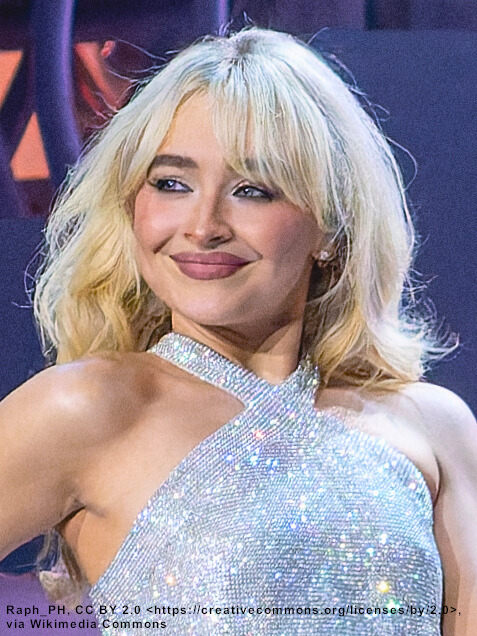
See also: 10 Surprising Facts About Sabrina Carpenter.
Enjoy this eccentric story involving Sabrina Carpenter contributed by AI:
One day, Sabrina was just minding her business—sipping on an oat milk latte, wearing sunglasses too big for her face (on purpose), and humming the hook to “Feather” in a Whole Foods, as one does.
That’s when she saw it.
An ancient, dusty microphone sitting in the clearance bin between gluten-free tortilla chips and essential oils labeled “for Mercury retrograde.” Naturally, she bought it. It was only $4.99 and said “Enchanted—Do Not Use Unless Absolutely Vibing.”
So obviously… she used it immediately.
This is a showcase site for Jeff Napier of US-Web-Design. Surprisingly low-cost solutions for all your website and marketing needs. More...
The moment Sabrina sang into the mic, a puff of glitter exploded, and BOOM—she was cursed.
From then on, every time she tried to sing a song live, the microphone would translate her lyrics into chaotic confessions. Not just any confessions—ultra specific, mildly incriminating ones.
Her song “Nonsense” suddenly became:
🎤 “I once DM’d my own fan account / Just to feel something / I ghosted Timothée / ‘Cause I forgot to respond—Oops!”
Fans were obsessed. Each show became a treasure hunt for unhinged one-liners.
TikTok exploded with the hashtag: #SabrinaSaidWHAT
But things spiraled.
At Coachella, mid-ballad, the mic blurted:
🎤 “I think about cheese when I kiss cute boys!”
By then, her team tried to burn the mic.
It regenerated in her dressing room. Wearing a tiny crop top.
They buried it in the desert.
It showed up in her tote bag next to lip gloss and petty thoughts.
In the end, Sabrina embraced it. She launched a cursed mic line on her merch store. It sold out in 45 seconds. One mic was sent to Olivia Rodrigo by accident. No one has heard from her since.
And to this day, Sabrina tours the world, dropping chaotic mic bars like:
🎤 “He said he’s 6 foot / But I measured—liar.”
🎤 “My toxic trait is pretending I’m shy.”
🎤 “I texted my ex from my cat’s phone.”
And the mic?
Still cursed. Still fabulous.
Sabrina Carpenter
See also: Sabrina Carpenter and the Cursed Microphone.
(AI contributed to this content. You may want to do your own research to be sure of facts.)
Sabrina Carpenter was homeschooled — which helped her balance school with acting and singing early on.
Her dad built her a recording studio in their basement when she was around 10 years old.
She signed with Hollywood Records at just 13 — super early for a major label deal.
She was discovered on YouTube — her singing videos got the attention of music industry pros.
This is a showcase site for Jeff Napier of US-Web-Design. Surprisingly low-cost solutions for all your website and marketing needs. More...
She’s performed on Broadway — in the musical Mean Girls (as Cady Heron in 2020, though it was cut short due to COVID).
She auditioned for a lot of Disney roles before landing Girl Meets World.
She didn’t originally audition for Maya Hart — but the producers thought she fit that role better.
She’s collaborated with legendary songwriters like Julia Michaels and JP Saxe.
She can play multiple instruments, including guitar and piano.
She wrote/co-wrote almost every song on her album emails i can’t send — proving she’s a serious songwriter.
She released her debut EP at just 14 — Can’t Blame a Girl for Trying.
She’s super into poetry and journaling, which inspires her songwriting.
She’s worked with Sofia Carson, Jonas Blue, and Alan Walker on collabs.
She starred in a Netflix movie (Tall Girl) and its sequel.
She’s acted in indie films, like The Short History of the Long Road, showing off her dramatic side.
She’s very private about her dating life, but it’s been a big topic of public speculation.
She’s not afraid to poke fun at herself — her social media is full of self-deprecating humor.
She once released an entire single in response to drama — “because i liked a boy,” anyone?
She opened for Taylor Swift’s Eras Tour in 2023/2024 — a career-defining moment.
She once performed at the White House for the Easter Egg Roll — big moment for little Sabrina.
She voiced a princess in Sofia the First — her Disney roots go deep.
She has synesthesia — she sees colors when she hears music, which affects how she creates it.
She’s only 5’0″ (152 cm) but owns every red carpet she walks on like she’s 6 feet tall.
Her fashion sense evolved a ton — from Disney-cute to edgy and couture.
She produced and starred in a Netflix film called Work It — adding “producer” to her resume.
She’s inspired by strong female artists like Rihanna, Adele, and Christina Aguilera.
She’s left-handed — shoutout to the lefties!
She has two older sisters — one of them, Sarah, also sings and acts.
She used to draw and wanted to be an artist as a kid — visual art, not just music.
She’s super into skincare and even does her own makeup for many shoots.
Lighthearted Facts About the Dominican Republic
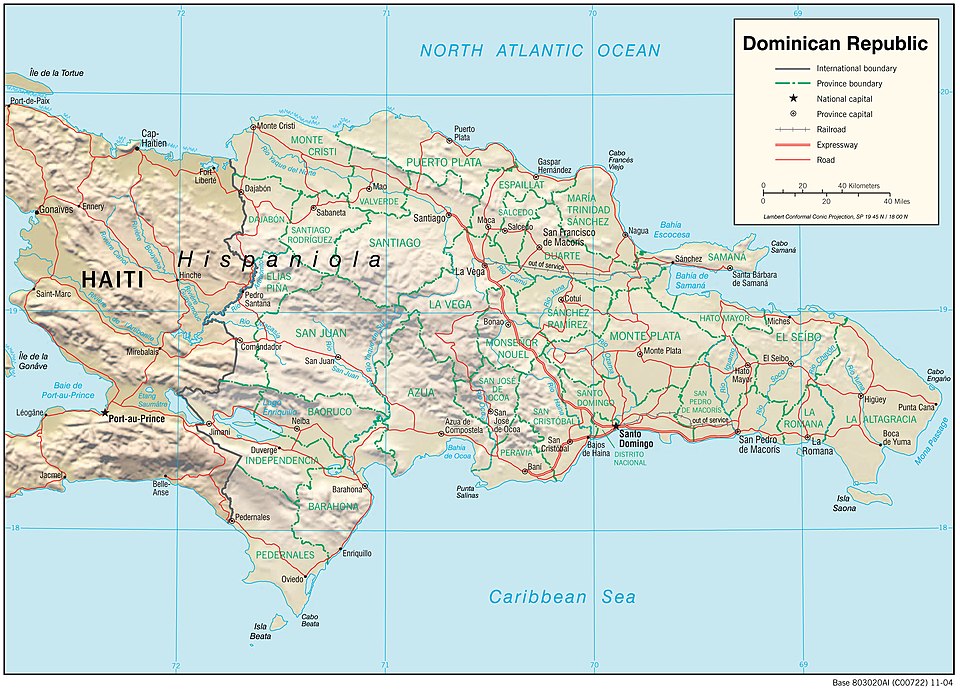
Much of the following was contributed by AI. Leave a comment below if you find any inaccuracies.
Dominican Humor & Culture Vibes
“Ahora vengo” (I’ll be right back) can mean anything from 5 minutes to never. Time is very flexible here.
Dominicans can have an entire conversation using just facial expressions and hand gestures. A lip point can give you directions, and a raised eyebrow is basically a full sentence.
Electricity outages are so common, they have nicknames for it — like “se fue la luz” (the light’s gone), said with complete chill.
Traffic lights are optional — or at least it feels that way. Dominicans have perfected the “just go” technique.
Every Dominican has a strong opinion on which corner store (“colmado”) is the best — and they’ll defend it like it’s a family member.
This is a showcase site for Jeff Napier of US-Web-Design. Surprisingly low-cost solutions for all your website and marketing needs. More...
Food is Serious Business
If there’s no rice on the plate, it’s not a real meal. Even if there’s pasta, rice is still required.
Dominicans will fight over who makes the best mangú — grandma, auntie, or that one neighbor who swears by adding butter.
“Un chin” means “just a little” — but it can actually mean “fill it to the top,” especially when pouring rum.
Sancocho (a thick soup) is the cure for everything: heartbreak, hangovers, bad grades, and rainy days.
Dominican salami is basically its own food group — and yes, it’s totally okay to eat it for breakfast, lunch, and dinner.
Life, Music & Vibes
A Dominican party doesn’t need a reason. Birthday? Cool. It’s Tuesday? Even better.
You might hear 3 types of music from one block — reggaetón from one house, bachata from another, and dembow from a car driving by at 500 decibels.
Dancing is mandatory. Even grandpa gets down at family parties.
The louder your sound system, the more respect you get — even if it shakes the neighbor’s windows.
No one knows how your cousin’s SUV has 24″ rims but no AC — priorities.
Life on Island Time
“I’m on my way” usually means they haven’t left yet. It’s not a lie — it’s a lifestyle.
People will wear jeans, boots, and a hoodie… at 95°F. Fashion over function, always.
Asking for directions? Get ready for “you go past the mango tree, then turn where the dog always sleeps.”
Rain doesn’t stop anything — unless it’s light drizzle. That’s when the umbrella army rolls out.
Any car, no matter how beat up, becomes a “public car” (carro público) when it stops and honks.
Other Classic Moments
That moment when someone says, “¡Llegó la luz!” (The power’s back!) — and everyone cheers like the World Cup was just won.
People decorate their motorcycles more than their homes. Bonus points for blinking lights and stuffed animals.
A Dominican fridge always has leftover rice, ketchup, and mystery Tupperware.
You’ll see 4 people on a motorbike with groceries — and a dog — and no one bats an eye.
Your full name might include like 4 last names, 3 middle names, and a nickname that has nothing to do with any of them.
The Dominican Republic shares the island of Hispaniola with Haiti, one of the poorest countries on Earth. If you look at the island from space, you’ll see a clear demarcation along the border, in which the Dominican Republic has trees, but Haiti does not. That’s because Haiti tad to log and sell their lumber.
Many American Major League Baseball players were born in the Dominican Republic.
Johnny Depp Pirate Story

See also: Johnny Depp.
When I asked AI to write a short story involving Johnny Depp, this is what I got:
One sunny morning in the Caribbean, Johnny Depp—still dressed as Captain Jack Sparrow long after the movies ended—decided he was tired of acting and would now be a real-life pirate. But not the plundering kind. No, no. He would be the Robin Hood of the seas… the Coconut Bandit.
He sailed a tiny ship called The S.S. Eyeliner (named for its impressive collection of waterproof makeup) and roamed from island to island… stealing coconuts. Not for himself, of course, but for the island parrots who, according to him, were “desperately under-caffeinated.”
On one island, he was caught red-handed mid-heist by a group of confused tourists. Instead of running, Johnny tipped his hat, handed them each a coconut smoothie, and said, “Compliments of the Caribbean’s most charming criminal.”
Word spread quickly. Soon, people wanted to be robbed. Villagers left out baskets of fruit. Tourists followed him like he was a tropical Santa Claus. And parrots? They adored him. One even tried to marry him. (It was awkward. He politely declined.)
This is a showcase site for Jeff Napier of US-Web-Design. Surprisingly low-cost solutions for all your website and marketing needs. More...
To this day, legend has it that if you’re on a beach and hear the gentle thrum of a ukulele, you might catch a glimpse of Johnny Depp, still out there, swiping coconuts, sipping smoothies, and giving fist bumps to every parrot he sees.
Leonardo DiCaprio and the Great Yacht GooseChase
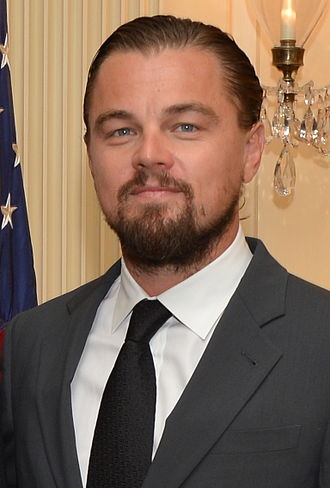
AI-Generated Goofy Story
It was a sunny day in the Mediterranean, and Leonardo DiCaprio was enjoying his favorite pastime: lounging on a yacht large enough to have its own postal code. As usual, he was surrounded by his inner circle—an elite crew of environmentalists, models under the age of 25, and one guy named Jeff who no one really knew but always brought good hummus.
Leo, in between bites of sustainably-sourced avocado toast, stood up suddenly and stared out to sea.
“I just had a vision,” he declared, squinting dramatically. “There’s a goose out there. A rare goose. Possibly endangered. It needs me.”
Everyone stopped sipping their eco-friendly kombucha.
“Leo, are you sure?” asked Gisele 2.0 (no relation, just a model name trend).
“Positive,” said Leo, throwing on a captain’s hat he’d found on the set of The Great Gatsby. “To the Goose!”
This is a showcase site for Jeff Napier of US-Web-Design. Surprisingly low-cost solutions for all your website and marketing needs. More...
The crew scrambled. The yacht’s engine roared to life, and soon they were zigzagging across the Mediterranean in what TMZ would later call “the most luxurious avian rescue mission of the decade.”
For hours they chased every bird they saw. Seagulls, pelicans, even a confused kite someone released at a coastal birthday party.
At one point, Leo grabbed binoculars and shouted, “I SEE IT! THE GOLDEN GOOSE!”
“Leo, that’s a floatie.”
“No… it’s fate.”
Eventually, they docked at a small island where the goose was supposedly last seen. As the team combed the beach, Leo spotted a footprint. A single, webbed, slightly sandy footprint.
“Guys,” he whispered, tears in his eyes. “We’re not too late.”
Just then, a local farmer wandered by.
“Lookin’ for the goose?” he asked.
Leo gasped. “Yes! Have you seen it?”
The farmer scratched his head. “You mean Geraldine? She’s my pet. Got a little hat and everything. Wanna meet her?”
Cut to Leo, sitting in a beach chair, feeding grapes to a goose in a straw hat named Geraldine while softly humming My Heart Will Go On.
Later that night, Leo made an impassioned Instagram post about goose conservation, gained 2 million more followers, and Geraldine got a modeling contract with Gucci.
The world was saved. Again.
Michio Kaku Explains Physics in a Compact Way

I asked AI, “If Michio Kaku was asked to explain physics in a very entertaining way, what would he say?”
Keep in mind, this is not really Dr. Kaku speaking. It’s an AI interpretation of what he might say.
“Physics is just the universe’s user manual… written in hieroglyphics and hidden under a black hole.” Imagine you’re trying to understand your toaster, except your toaster is powered by quantum fields, occasionally behaves like a wave, and might vanish into another dimension if you’re not looking at it. That’s physics! We ask the big questions, like: “What happened before the Big Bang?” Spoiler alert: there was no before. Time took the day off.
At the atomic level, things get weird. Electrons don’t orbit the nucleus like planets; they jitter around like caffeinated toddlers in a bounce house, only showing up when you try to measure them. It’s called the “observer effect,” and it basically means the universe is a shy teenager—nothing happens unless you’re watching, and even then, it lies to you about what it was doing five seconds ago.
Einstein told us that space and time are like a stretchy fabric. If you put something heavy on it—like a star, a planet, or your cousin Gary after Thanksgiving dinner—it bends! That’s gravity. It’s not just stuff falling—it’s space saying, “Come this way, my squishy friend.” GPS systems literally have to account for time running differently in space, or you’ll end up in the wrong Starbucks.
And let’s not forget string theory, my personal favorite. It says that the tiniest particles aren’t dots—they’re vibrating strings, like little cosmic violin notes. If it’s right, then the universe is a symphony, and we’re all dancing to a tune played in 11 dimensions. Either that, or I’ve had way too much coffee. Probably both.
This is a showcase site for Jeff Napier of US-Web-Design. Surprisingly low-cost solutions for all your website and marketing needs. More...
Abigail Breslin Space Opera
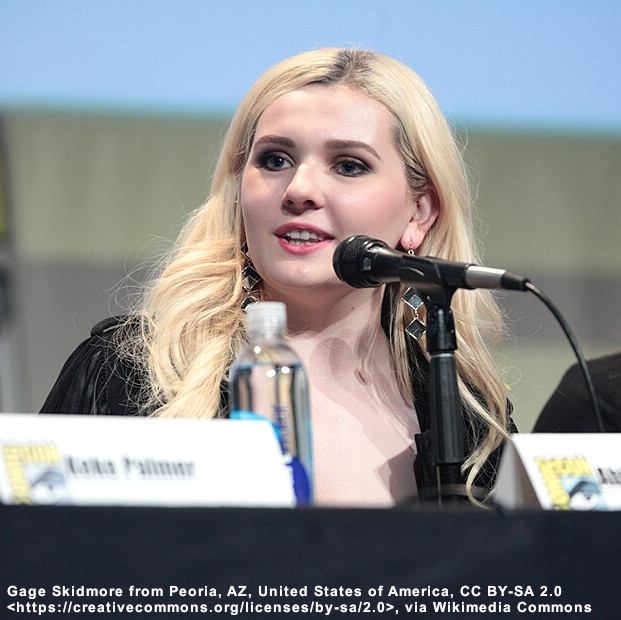
AI-Generated Goofy Story
Abigail Breslin woke up one morning to find a very polite ferret wearing a monocle sitting on her kitchen counter. It was sipping espresso from her favorite mug and reading The Economist. “Good morning, Miss Breslin,” the ferret said with a British accent. “I’ve been sent by the International Council of Unexpected Fame to inform you that you’ve been selected to host the Intergalactic Spelling Bee this afternoon.” Abigail blinked twice, checked her calendar (nothing but “Buy cheese” at 3 p.m.), and said, “Yeah, sure, why not.”
Two hours later, she was whisked away in a hover-van shaped like a saxophone and flown to a floating arena just outside of Saturn. The audience was made up entirely of sentient vegetables—mostly disgruntled asparagus—who booed every time someone spelled “rhubarb” incorrectly. Abigail, wearing a glittering cape made of old VHS tape, stood at the mic trying to keep a straight face as a contestant named Zzlorp, a gelatinous cube from Neptune, confidently spelled “onomatopoeia” by burping in Morse code.
Midway through the event, a rebellious turnip tried to storm the stage yelling, “Spelling is oppression!” but was gently tasered by a floating jellyfish security guard wearing a tiny hat. Abigail handled it like a pro, offering the turnip a juice box and a hug. “I was in Little Miss Sunshine, I can handle chaos,” she muttered under her breath as she called the next contestant, a tap-dancing slug with a lisp.
When the bee ended, the Council gifted her a certificate, a holographic high-five, and a coupon for one free taco anywhere in the Milky Way. As she returned to Earth, she tweeted: “I just hosted a spelling bee in space. Someone please explain the ferret.” The tweet got 4.3 million likes and a confused response from NASA that simply read, “We’re looking into it.”
Dark Energy, Dark Matter
AI-Generated Goofiness
Dark Matter: The Ultimate Cosmic Freeloading Ninja
So here’s the deal: scientists looked at the universe, did some math, and realized—wait a second—there’s way more gravity than there is stuff. Like, galaxies are spinning so fast, the stars should be flung out into space like kids on a merry-go-round after one too many juice boxes. But they’re not. Why? Because something invisible, untouchable, and just a little smug is holding everything together.
Enter: Dark Matter—the freeloading cosmic roommate who doesn’t pay rent, doesn’t turn on the lights, and refuses to show up in any group photos. It doesn’t emit, absorb, or reflect light—so basically, it’s the intergalactic version of that one guy at the party who lurks in the shadows and only contributes by saying, “Actually, I think you’ll find…” and then disappears.
We can’t see it, we don’t know what it’s made of, but we do know it’s pulling gravitational strings like a passive-aggressive puppet master with a PhD in ghosting.
Dark Energy: The Universe’s Sketchy Expansion Plan
Now, just when astronomers thought they’d cracked it, the universe dropped a plot twist like an M. Night Shyamalan movie written by caffeine. They expected the expansion of the universe to slow down over time—makes sense, right? Gravity should be trying to yank everything back together like the world’s clingiest ex. But nope. Turns out, not only is the universe still expanding—it’s speeding up. Like a toddler who found the sugar stash.
That’s Dark Energy—a cosmic force with big chaos energy that makes up nearly 70% of the universe and behaves like it’s in a hurry to be somewhere, anywhere but here. It’s as if space itself is stretching faster and faster, like it’s trying to outrun its responsibilities. Scientists think dark energy might be built into space itself, which is a fancy way of saying, “We have no idea, but it sounds cool when we say it with confidence.”
So to summarize: 95% of the universe is basically dark mystery goo that doesn’t talk to us, doesn’t follow the rules, and refuses to explain itself. It’s like the universe is being managed by an unseen cat who just knocked over our laws of physics and walked away like, “You’ll figure it out.”
This is a showcase site for Jeff Napier of US-Web-Design. Surprisingly low-cost solutions for all your website and marketing needs. More...

