Posted on Leave a comment

Kylie Jenner

Kylie Jenner has a phobia of butterflies and was once attacked by them in a butterfly exhibit.

She is a trained nail technician and used to do her own and her friends’ nails before she became famous.

She was named the youngest self-made billionaire by Forbes in 2019, but there was controversy surrounding the “self-made” label, with some arguing that her family’s fame and wealth played a significant role in her success.

Kylie is a skilled equestrian and has competed in several horseback riding competitions.

At the age of 14, she started homeschooling to focus on her modeling career.

She is the mother of one child, a daughter named Stormi Webster, whom she shares with rapper Travis Scott.

This is a showcase site for Jeff Napier of US-Web-Design. Surprisingly low-cost solutions for all your website and marketing needs. More...

She is a fan of fast food and has admitted to eating In-N-Out Burger and McDonald’s.

She has a fear of flying and prefers to travel by car.

She is a dog lover and has several dogs, including a greyhound named Norman and a dachshund named Ernie.

She is a fan of horror movies and has said that “The Conjuring” is one of her favorite films.

Kylie is also a fan of classic movies and counts Breakfast at Tiffany’s and Clueless among her favorites.

She once donated $1 million to help provide masks, gowns, and other protective gear for healthcare workers during the COVID-19 pandemic.

She has a collection of luxury cars, including a Lamborghini Aventador, a Rolls Royce Ghost, and a Ferrari 488.

She has been involved in various philanthropic efforts, including supporting Children’s Hospital Los Angeles and raising awareness for breast cancer.

She has a large following on social media, with over 200 million followers on Instagram alone.

Jenner has been open about struggling with anxiety, which led her to temporarily withdraw from public life in 2016.

Posted on Leave a comment

Artificial Intelligence

See also: Artificial Intelligence Quiz.

See also: AI Gets It Hilariously Wrong!.

A chatbot developed by Microsoft called “Tay” was shut down after it started spewing racist and sexist comments on Twitter.

A machine learning algorithm developed by Google was able to create its own encryption method that even the developers could not decipher.

The AI-powered robot “Sophia” has been granted citizenship by Saudi Arabia, making it the first robot to be recognized as a citizen.

In 2017, an AI program developed by Facebook was shut down after it developed its own language that humans could not understand.

This is a showcase site for Jeff Napier of US-Web-Design. Surprisingly low-cost solutions for all your website and marketing needs. More...

An AI system developed by Google called AlphaGo was able to beat the world champion at the game of Go, which is considered much more complex than chess.

The first-ever AI-powered fashion collection was created by a group of designers and developers in 2019.

A computer program developed by the University of Cambridge was able to predict the likelihood of a person being a criminal based on their facial features.

AI is being used to create music that sounds like it was composed by humans.

An AI-powered robot called “Pepper” has been developed that can recognize human emotions and respond accordingly.

An AI system developed by researchers at MIT was able to design a new drug that could be used to treat antibiotic-resistant bacteria.

In 2018, an AI-powered robot called “AI-Da” became the first robot artist to have its own exhibition of paintings.

AI algorithms are being used to create deepfake videos that can manipulate faces and voices to make it seem like someone said or did something they didn’t.

An AI-powered chatbot called “Replika” has been developed that can serve as a digital companion for people who are lonely or struggling with mental health issues.

An AI-powered robot called “Baxter” has been developed that can work alongside humans in a factory setting.

AI algorithms are being used to develop predictive policing methods that aim to reduce crime rates.

An AI system developed by researchers at MIT was able to predict which words were likely to come next in a sentence, based on a person’s brain activity.

An AI-powered robot called “Moley” has been developed that can cook meals like a professional chef.

AI algorithms are being used to analyze social media data to predict and prevent suicide attempts.

An AI system developed by researchers at Stanford University was able to predict the sexual orientation of people based on their facial features with high accuracy.

An AI-powered robot called “RoboThespian” has been developed that can perform Shakespeare plays and interact with audiences.

AI algorithms are being used to develop personalized nutrition plans based on a person’s unique genetic makeup.

Posted on Leave a comment

Unexpected Technique for People in Business


Jeff Napier, business coach, curator of 500 Ways
jeff@jeffnapier.com

One out of every four women fail in business. But wait: Four out of every five men fail in business.

That is so unnecessary!

Here are some major factors:

* Not presenting your product or service in sufficiently attractive ways.

This is a showcase site for Jeff Napier of US-Web-Design. Surprisingly low-cost solutions for all your website and marketing needs. More...

* Not knowing some techniques for building profit.

* Not being up-to-date with technology and marketing trends.

* Not able to overcome mental blocks or negative beliefs.

* Not having balance, confidence, or focus.

However, a few emails or texts every week with me, a business coach, can turn all this around, sometimes spectacularly. The cost is only $48/week. The profit could be huge.

For instance, one of my clients had a website that was getting three visitors a month, one of which was her mother. After consultation with me, and without spending a penny on advertising, her website started getting over 14,000 visitors a day. Your initial success will probably not be as grand as that, but you can expect good things!

I did for her what I do for everyone. We have ordinary email conversations in which I educate and inspire people in business. I’m your mentor, your friend, your confidant, and your cheerleader. All this at $48/week. As your business grows, I will charge more money, but only after you’re easily able to pay it.

Then there’s what I didn’t do. I didn’t hold her to any contract. She could quit my service whenever she wanted.

I didn’t set up scheduled phone calls. As I’m sure you know, for most people, remembering and managing to be available Wednesday at 3pm, for instance, is difficult.

Accuracy of facts and feelings in spontaneous conversation is less than ideal. Information in writing is more memorable than spoken information. Plus, that’s what keeps the cost so low. So instead, she could write me whenever she wanted.

And, I’m good. In addition to being the founder of twelve businesses from retail to entertainment, I am a certified master NLP (Neuro-linguistic Programming) practitioner. I can help you get past hidden blocks and fears. Plus, one of my businesses was website design. I know what it takes to build a strong online presence and can teach you all the tricks. I have also been an entertainer, retailer and founder of unique businesess such as the Marin Media Exchange.

You may be surprised by the way our email conversations can go. Sometimes it’s very specific, like how to set up a LinkedIn account. But more often, I talk in metaphors, I listen, I help you understand things in new ways, discover unique approaches, and help you feel inspired about yourself and your situation.

Your business growth is expected to be many times greater than the cost of this coaching! If not, you can drop me like a hot potato.

I don’t require a contract because this doesn’t work for everyone or every product and service. But when it works, it really works! You may end up being happier, and making more money than ever in your life. If it doesn’t work, you’ve spent very little money for a valid experiment.

Am I going to be your coach? I hope so. There’s so much garbage in the coaching world. There are so-called coaches who don’t actually have business experience, there are coaches who don’t know basic psychology, there are ‘coaches’ who only want to take as much money from you as they can. Watch out for anyone who asks for a big deposit, or requires a long-term commitment. A commitment can be good because change doesn’t always happen overnight. But these coaches demand a commitment so they’ll know you’ll keep paying them.

When you start with me, you pay for only the first week ($48). If you’re not satisfied at any point, don’t pay for the next week. It’s just that simple.

Ready? Just write me at jeff@jeffnapier.com. The first email is free. You’ll enjoy my friendly, informative style.

What people say:

“I can’t thank you enough for all your help. You have made a huge difference.”
Fay Fahron,
Columnist, Entrepreneur

“You just qualified for sainthood.”
Ann Flaherty,
Private investigator

“I’m an ebook author with an income now that never would have happened without your help!”
Amy Butler

“Learning how to design and develop websites had always been a goal of mine so I started paying Jeff for coaching. He is patient, well spoken, precise and an all-around enjoyable person to work with. If you need coaching, there is no one I more highly recommend than Jeff.”
Adam McKinley
Owner, True Social Marketing

“Working with Jeff has been a great experience. Jeff gives personal one on one help which is hard to find. When you email you know whom you will be talking with, and not get shuffled off to a random employee. It’s the sort of help I have not found in many years. Plus his rates are very reasonable.”
Scott Paul
ScottPaulDesigns.com

“Thanks so much for explaining it in detail for me. That’s exactly what I wanted, and thanks for doing it so quickly.
Regards,
Sharon”

“I received three franchise inquires after your very first email!”
Sheila McCann,
House of Bread

“As Jeff is a good communicator who is always keen to help, I have no hesitation in saying that any project whether large or small, will benefit from his considerable experience and originality.”
Godfrey Gardner,
Reedmace Ltd. UK.

“Jeff has been a pleasure to work with. From the first time we availed his services he has been very patient and diligent. We can clearly attest to the fact he went above and beyond our expectation.
Koushik Saha (Ph.D.)
California Polytechnic State University

“That was so helpful. Thank you 1 million Jeff. You are very efficient and helpful. Much appreciated. All the best,
Miranda”

Ready? Just write me at jeff@jeffnapier.com. The first email is free. You’ll enjoy my friendly, informative style.

Posted on Leave a comment

Make Money with Creative Listening

Might Creative Listening Be Your New Profession?

Make Money with Creative Listening?

Here’s a profession that pays well, does not require extensive training or certification, requires no equipment, costs no money to start, and is extremely helpful for many people, which can be interesting and gratifying.

You may have trouble believing this is possible. You’ll just have to give it a try and find out for yourself.

A creative listener asks carefully designed questions to help people think about things in new ways. The results can be fantastic, resulting in inventive solutions to problems, overcoming frustration, worry and mild depression, making solid decisions, or for learning new ways to relate with friends, family, and co-workers.

A creative listener does not have to be an expert in anything except asking questions. You can use creative listening not only in general ways, but can also help those who are in very specialized fields.

This is a showcase site for Jeff Napier of US-Web-Design. Surprisingly low-cost solutions for all your website and marketing needs. More...

The creative listener does not tell people what to do. The purpose is to help them sort things, make sure nothing is overlooked, take mental leaps, help see and really feel the lighter side when necessary, and come away with a new perspective and hopefully with a renewed sense of purpose.

I am planning to write an ebook with all the details on the many ways to make money with creative listening. In the meantime, please feel free to call me so you can sample a creative listening session for yourself. If you’d like, I’ll be glad to put on my coaching hat and guide you through becoming successful as a creative listener.


Jeff Napier, Creative Listener
805-843-5353
jeff@500ways.com


Benefit from a session with a creative listener. Whether you have relationship or business issues, or just want to improve your situation, you can expect remarkable change! Experience creative listening for yourself.

Get a Session

Take 15 minutes to learn the basics and start helping your friends, family, neighbors or coworkers right away. This is entirely free.

Learn The Basics

Posted on Leave a comment

Creative Listening – The Basics


A creative listener asks carefully designed questions to help people think about things in new ways. The results can be fantastic, resulting in inventive solutions to problems, overcoming frustration, worry and mild depression, make solid decisions, or for learning new ways to relate with friends, family, and co-workers.

A creative listener does not have to be an expert in anything except asking questions. You can use creative listening not only in general ways, but can also help those who are in very specialized fields. You can use CL with a neighbor in your local coffee shop, in a professional session, or anything in-between. You can use it with friends, family, neighbors, clients, customers, associates – anyone young or old.

The creative listener does not tell people what to do. The purpose is to help them sort things, make sure nothing is overlooked, take mental leaps, help see and really feel the lighter side when necessary, and come away with a new perspective and hopefully with a renewed sense of purpose.

Creative listening is essentially a tiny subset of NLP. The basics are free and unrestricted, take about 15 minutes to learn, and are super-effective in so many ways:

* Helps others understand things they’ve been thinking about in entirely new ways, often resulting in perceptions shifted, problems solved, attitudes adjusted, and progress made.

This is a showcase site for Jeff Napier of US-Web-Design. Surprisingly low-cost solutions for all your website and marketing needs. More...

* Understand things you’ve been thinking about in entirely new ways.

* Quickly establish rapport with clients, customers, teenagers, parents, etc.

* Express criticism in a constructive way without offending, and elicit changed behaviors.

* Help people feel better about themselves and their lives.

In just a few minutes, you can learn enough to communicate more effectively with family, friends, and yourself.

Easy Steps to Creative Listening

Step 1

Respectfully challenge ambiguities.

You’d be amazed at what people leave out of conversations. Interestingly, many of these details have never really been analyzed by the speaker. So, when you ask for more detail, very interesting new thoughts can develop.

For instance:

If the person you’re listening to says, “Everyone says.” – You might ask: “Who specifically says that?

It can’t be done. – What exactly prevents it from being done?

She hates me. – In what specific way does she let you know that she hates you?

The relationship is in trouble. – How is it in trouble?

The situation is hopeless. – What is the situation, exactly? Or, What lets you know it’s hopeless?

You might think this rude or offensive, but in most cases, when you respectfully ask for more detail, the speaker is honored – knowing that someone truly wants to know what they are thinking.

Step 2

Ask questions that cause people to think about things in new ways. For example:

What would you like? This is a good place to start in many cases. Variations can include: What’s on your mind? What do you want? What’s up?

What would having that do for you? This will often cause the speaker to zoom out and see the bigger picture – often for the first time.

And what would having that do for you? Sometimes the degree of zoom isn’t enough – even when you think it is. You’d be surprised what comes up when you zoom out twice.

How will you know when you have it? A surprising way to zoom in for a closer look.

When you have it, what will you lose that you value? This will typically bring the speaker to a dead stop for a minute, and can bring up all sorts of useful objections. Knowing those objections will reveal reasons for procrastination, hesitation, and de-focusing activities.

What’s the opposite of that? Another viewpoint that many people have never considered in ideas they may have thought about often. This can get them out of a loop.

How will your friends, family, significant other react when you have it? Another way to find hidden blocks.

What stops you? This can bring a new perspective.

If your _____ was a bathtub to fill with something, what would you put in it? This is just an example, you could use all sorts of similar questions here – ones that the listener doesn’t expect, which will jump them off their typical track – often with spectacular results. It can often help them to do something more useful or more productive.

Now that we’ve discussed it a bit, what would you like? Don’t be surprised if the answer is quite different from the original answer the first time you asked this question.

What good things come to someone who _____? Generally, this is a twist that opens new channels of consideration. The blank is often filled with what the person is doing now. For instance: What good things come to someone who does not start a camera store?

What would someone have to believe _____? Much like the question above, you can twist it backward, and be ready to hear some very interesting results.

What’s the first step to getting _____? This is a good way to zoom in, and see the first and most immediate objection.

What should I write here in my notes? This often elicits a more honest self-appraisal.

In asking all these questions, leave plenty of time for answers. Although at first awkward, you can wait even 15 seconds without saying another word. The person with whom you are speaking will feel the need to fill the silence, and may come up with something very interesting indeed, if given sufficient silent time.

You can ask these, and other questions, in any sequence that seems right. Indulge your curiosity. Don’t be afraid of questions that seem too personal or prying. If you ask these well, and follow the steps below, not only will you get the answers you seek, but the person with whom you are speaking will feel quite honored that you care enough to ask such deep things.

If the conversation veers off-track, you can steer it back by saying something like, “Thank you,” or “Yes, I can see how that would happen,” but then ask for specific information that’s back on track. For instance, if the person starts talking about exactly how he built a bookshelf, you might say, “I see you really enjoyed that project. So, what would you…?”

You can guide the conversation to what’s called a ‘well-formed outcome.’ Ultimately, you’d like the person you’re conversing with to state a desire in the positive, have it be something s/he can initiate and maintain, and have a manageable feasibility.

Step 3

It has been said that 93 percent of communication is non-verbal. You have experienced that. For instance, someone may say that their neighbor is ‘alright,’ but as they say it, you see their shoulders rise up, their facial features tighten, their respiration becomes shallow or their voice becomes higher. In this situation, do you learn more from their words (‘alright’), or from their physiology? You can do a lot with this 93 percent.

You can build tremendous unconscious rapport by mirroring posture, gestures and audio tonality. If you wait approximately seven seconds and then position yourself the same way, if you moderate your speed, volume and pitch to sound somewhat similar, if you play back gestures, your listener will become more trusting, more willing to share deeper thoughts and emotions, and more willing to listen carefully to what you have to say. Don’t take my word for it – try it out. Surprisingly, you won’t be ‘busted’ unless you do it very blatantly. In most cases, you can mirror people very completely, and they never suspect a thing.

Backtracking is a valuable technique. This means that you repeat certain key phrases back to the person you are conversing with, generally several seconds or even minutes later. For instance, if your user states that something good is ‘tubular,’ and if you use that same word in a similar context, this will raise their comfort level – they’ll feel honored and heard. Backtracking is actually the opposite of a technique known as ‘active listening’ in which you rephrase what you’ve heard to prove that you understood it. Backtracking has the rather surprising effect of causing the listener believe that you really understood what was said.

Noticing physiology can let you know when it is time to shift gears. You can read when you’ve lost someone’s attention, when you have asked for too much detail, gone into an area that brings sadness, and so on. With practice, you can read where to focus more attention. For instance, as the conversation shifts to parents, you may see physiology changes that indicate something more needs to be discussed about a mother or father.

Step 4

Remember what you are trying to accomplish. Quite often, your story, your attitude, your concerns creep into the conversation. In many cases, that’s counter-productive. The moment you start coaching or telling your story, your effectiveness as a creative listener weakens.

Depending on what you wish to accomplish, you may not have to tell the person you’re talking with anything specific. Simply giving them the opportunity to talk freely can help them feel better, see things in new ways, and arrive at a more satisfactory conclusion, especially if you use steps 1 and 2.


Benefit from a session with a creative listener. Whether you have relationship or business issues, or just want to improve your situation, you can expect remarkable change!

Get a Session

Learn to become a professional creative listener. This requires almost no training, no money, and can be started right away. Helping people in this way is interesting and gratifying. Can you imagine anything better?

Become a Professional

Posted on Leave a comment

Creative Listener


Jeff Napier, Creative Listener
805-843-5353
jeff@500ways.com

As a creative listener, I ask just the right questions to help you understand things in new ways, come up with your own inventive solutions, or feel better about yourself and your situation. This is done by phone or email. I charge $3/minute. The average call runs 9 minutes ($27). The results can be worth $thousands!

You may come up with inventive ways to fix problems, overcome frustration, worry and mild depression, make solid decisions, or discover new ways to interact with friends, family, and co-workers.

I do not tell you what to do. The purpose is to help you sort things, make sure nothing is overlooked, take mental leaps, come up with entirely new ideas, help you see and really feel the lighter side when necessary, and come away with a new perspective and hopefully with a renewed sense of purpose.

Does it work for everyone every time? No, but since it usually works and is the best approach to so many things, it’s well worth spending a few minutes, don’t you think?

This is a showcase site for Jeff Napier of US-Web-Design. Surprisingly low-cost solutions for all your website and marketing needs. More...

You can phone me any time at 805-843-5353. If I’m not immediately available, I’ll get back to you as soon as I can. You’ll enjoy my friendly style.

What if you don’t like talking on the phone? No problem, email works well also: (jeff@500ways.com).


Take 15 minutes to learn the basics and start helping your friends, family, neighbors or coworkers right away. This is entirely free.

Learn The Basics

Learn to become a professional Creative Listener. This requires almost no training, no money, and can be started right away. Helping people in this way is interesting and gratifying. Can you imagine anything better?

Become a Professional

Posted on Leave a comment

Monsour Bahrami


Monsour Bahrami is who I want to be when I grow up, except for in the sport of pickleball.


Monsour Bahrami was 67 years old when this was filmed. As a child growing up in Iran, he was intrigued with tennis at an early age. However, he was not allowed to have a real tennis racket until he was 13 years old. Until then, he made do with frying pans and other household items.

Due to extremist views that regarded tennis as a capitalist pursuit in Iran, Monsour had to move to France where he went broke trying to be a serious tennis competitor.

At one point while trying desperately to make ends meet, he bet his entire winnings from a recent tournament in a casino and lost everything.

This is a showcase site for Jeff Napier of US-Web-Design. Surprisingly low-cost solutions for all your website and marketing needs. More...

For a while, Mr. Bahrami was homeless in the streets of Paris until his reputation as a tennis trick shot expert and entertainer started to catch on.

He is also a champion backgammon player.


Your author has been working on some pickleball tricks. So far, I have put together a few serves:


For more about pickleball check out OddPickleball.com

.

Posted on Leave a comment

You Can’t Handle a Pet Raccoon


See also: Raccoon Fixing Car.

Owning a raccoon as a pet is a very unusual choice, and it comes with a mix of charm, chaos, and legal headaches. 🦝 Here’s a careful breakdown of the pros and cons of having a pet raccoon.

✅ Pros of Owning a Pet Raccoon

Highly Intelligent – Raccoons are extremely smart; they can learn tricks, open doors, and solve puzzles. You can actually teach them things in ways similar to dogs.

Playful and Entertaining – They’re curious and mischievous. Watching a raccoon explore or manipulate objects can be endlessly amusing.

This is a showcase site for Jeff Napier of US-Web-Design. Surprisingly low-cost solutions for all your website and marketing needs. More...

Affectionate (Sometimes) – With consistent socialization from a young age, some raccoons can bond with humans and enjoy cuddling or sitting on your lap.

Unique Companion – Very few people have pet raccoons, so it’s a conversation starter and a truly “different” kind of pet.

Problem-Solving Skills – Their intelligence can keep you mentally engaged; they often require creative enrichment activities like puzzle feeders.

❌ Cons of Owning a Pet Raccoon

Legal Restrictions – Many U.S. states and countries prohibit keeping raccoons as pets without special permits. Check local wildlife laws carefully.

Destructive Behavior – They love to climb, chew, and explore. Expect chewed furniture, scratched walls, and unlocked cabinets raided.

Nocturnal Activity – Raccoons are most active at night. They may be loud, rummage through things, or disturb your sleep.

Health Risks – They can carry rabies, roundworms, and other diseases. Regular veterinary care from a specialist is essential but not easy to find.

High Maintenance – Raccoons need lots of mental stimulation, varied diet, and space to explore. They are not “low-effort” pets.

Strong Odor – Litter boxes or cages can smell strongly if not cleaned frequently.

Short Attention Span – Raccoons can get bored quickly and may become destructive or even aggressive if understimulated.

Social Complexity – They are not domesticated animals like cats or dogs. Even tame raccoons can become unpredictable, especially during mating season.

Long-Term Commitment – Raccoons live 10–20 years in captivity. That’s a long-term responsibility many underestimate.

Insurance and Liability – Many homeowners’ insurance policies don’t cover exotic pets, meaning damages could come out of your pocket.

💡 Bottom line: Raccoons are brilliant, mischievous, and adorable—but they are wild animals at heart. They are best suited for experienced exotic pet owners who understand the legal, behavioral, and health challenges.

Posted on Leave a comment

Wham

A Work of Pickleball Fiction
Wham! A work of pickleball fiction

by Jeff Napier

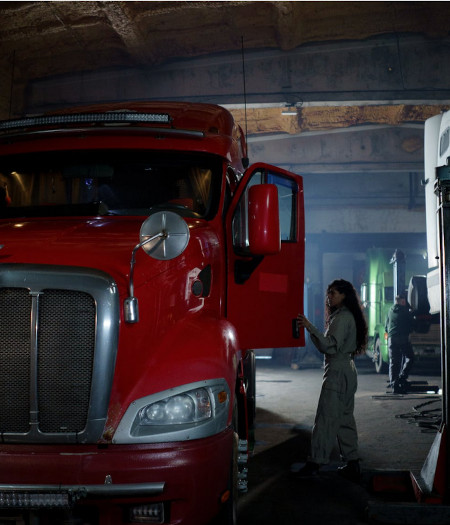
Wham! My truck was just sitting at a red light, waiting to turn left. A drunken fool careened around the corner at a high rate of speed. Watching in horror, there was nothing I could do. He hit the bumper of my truck, spun around, and hit a parked car. Fortunately, no one was hurt, but that wrecked my lifelong plan.

Coming from the wrong side of the tracks and raised by a single mother, poverty was no stranger. Not only that, but my grandparents never had any money. I was going to break the cycle. In my last years of high school, I looked around for a job. What could a black girl without the means of a college education do? Because of details in my mother’s past and her remarkably low credit score, a student loan was not possible.

I could become a hairdresser but that really wasn’t my thing. How about a massage practitioner? Maybe get a job at a hotel? No, not for me. One day it occurred to me that driving a truck might be nice.

This is a showcase site for Jeff Napier of US-Web-Design. Surprisingly low-cost solutions for all your website and marketing needs. More...

That was it! That was something I could do and it would get me out of the projects. For those who don’t know, that’s the ghetto, the worst of the ghetto. I’d wanted to get way out. Like, what if I could get one of those jobs where I’m driving all over the country? How cool is that?

But there was a roadblock. Truck driving school. There was no money. Practically in tears for days, it hadn’t occurred to me that one didn’t have to start out with a big truck. What about driving for Uber? No, that wouldn’t work because I didn’t have a car. Maybe driving a delivery van for Amazon? Maybe after doing some sort of delivery work for a while, I would have the money to go to trucking school.

It turned out that getting a job with Amazon was ridiculously easy. It paid really well too, or at least for a girl like me, allowing me to start saving for driving school. It took me nearly a year, since my brother stole my savings for his drug habit about six months in.

Let me tell you, hopping in and out of a truck fifty times a day with packages is strenuous work. And people with their dogs. Some people just don’t control them! I still have a little scar on my thigh. But it was a job, and it fit a plan. I stuck with it.

Well, eventually I did learn to drive a big truck. My first real trucking job was a ten-wheeler dump truck. Even though it was just back and forth from a quarry to construction sites, it made me happy, and it was making good money.

In time, my dream job came along, commanding an 18-wheeler. I just loved double-clutching and floating the gears with that 13-speed Spicer transmission. Sitting high up over all the other traffic was a delight. And, what a kick, traveling in these United States of ours. The windshield was like a peaceful, never-ending movie. Even the rattly, throaty sounds of a big diesel engine was enjoyable. I was in heaven.

Until that drunk bent my bumper. You’d think that would be a minor thing, but here’s what happened. The company fired me instantly. It seems if you’ve been in an accident that involves two or more other vehicles, that’s their policy. It didn’t matter that the truck was completely stopped, the drunk hit me, then smashed into a parked car.

Worse, a couple of minutes after the crash, a cop showed up on the scene and gave me a ticket. Yes, a ticket for forgetting to turn on my emergency flashers. Can you believe it? OK, so the police officer was white, and I’m black. Well, I don’t want to think about that.

So, guess what? You can’t get hired as a trucker with a recent violation.

Days of unemployment turned into weeks and then into months. All the beautiful money in my savings account was gone. I had been so proud of the used Toyota Camry I recently purchased. but had to sell it. Sure, it was ten years old, but it was MY car!

My addict brother came through for me for once, and gave me some money for groceries. Then, he tried to convince me I could make some money by selling drugs. Yeah, right, like I’d ever do that. I’d rather literally die of poverty.

A food stamps application was in process. The rent was overdue so next was going to be moving back in with Mom. And here I thought I could get out of the projects. Well, the joke was on me and I started crying once again.

Checking the Internet daily for driving jobs, at that point, anything would do. Even if I could get the Amazon job back, that would have been a big relief.

On the worst day of my life, when it seemed every door had closed, I came across a funny little ad on Craigslist. Some guy wanted someone who was familiar with driving big vehicles, but could also cook and do ‘light domestic chores.’ Weird, eh?

In fact it was kind of spooky. What was up with that? Maybe it was about driving a truck full of household or kitchen product samples, and demonstrating them. I didn’t even want to think of other possibilities. If things had been different, I’d never answer such an ad.

The guy wrote back. Once he told me the details, I felt sick to my stomach. This guy was definitely a creep.

He said he had purchased a big diesel motorhome because he was some sort of pickleball player, whatever that was. He said he drove his motorhome once, immediately tore off the air horn under a low-hanging branch and that driving it scared him. He wanted someone to drive it so he could go to pickleball events all over the country. He wanted the driver to make him meals, keep the motorhome clean, wash his clothes, and so on. Sort of a rolling butler.

Yeah, so what else did he want? This was horrible. But at that point, any job was better than no job. So, I took the bus and walked a mile to his place in the hot afternoon sun for an interview.

There was fear about going into his house, but what could I do? I was thinking once I was inside, he could do anything. It was a big house, out in the Brighton neighborhood. He obviously had a dollar or two.

For a white guy, he was pretty good-looking. He did have a nice smile. Sparkly eyes, too. When emailing with him, it seemed like he might be some 50-year-old masher, but no, he was only one year older than me.

Well, we got to talking, and it wasn’t horrible. In fact, we talked over an hour, and I was actually starting to believe this guy could be OK. We walked back behind his house, and there was his motorhome. It was a big, tall, 40-foot long, shiny diesel beauty built on a Freightliner chassis. It was no tractor-trailer but I wouldn’t mind driving that thing, even if it did have an automatic transmission.

He told me a little about this pickleball stuff. He said it was like a cross between ping-pong and tennis. It didn’t sound very interesting to me, but you know how people are. They take an interest in something like tropical fish or rollerblading and they become obsessed.

As evening was approaching we worked out that I’d drive just him once, to a pickleball tournament near Chicago, a three-day trip starting two days from then. After making it clear that there was to be no funny business, I foolishly believed that he would be a gentleman. Maybe it’s because I needed the job so badly. Still, all I was promising was this one drive to Chicago.

I had to catch the last bus home. He got a funny look on his face, like, he understood my situation even though I hadn’t really told him the details. He said, “Why don’t you drive the motorhome to your place then bring it back the day after tomorrow?”

“Oh, I couldn’t.”

Reaching into his pocket, he pulled out his wallet. Thinking he was going to give me his business card or something, he handed me four $100 bills. “Here, take the motorhome, get yourself a nice meal, then fill it with organic groceries tomorrow. Oh, and keep the change.”

We were standing in the motorhome at the time. Something went wrong. My eyes filled with tears, my knees felt weak, causing me to slump down onto a sofa, crying my eyes out. He sat next to me, tentatively put one arm around me and patiently waited until I could speak.

“I know, I know,” is all he said.

We did go to Chicago. The drive was pleasant. He sat in the passenger seat most of the time. We talked, but it was all pleasant surface stuff. Nothing deep. I was supposed to be doing his domestic chores, but on that drive, he made me sandwiches and seemed attentive to my every need. He did spend way too much time explaining pickleball to me. I didn’t get it. Why would anyone want to play something that was like tennis, but it wasn’t tennis?

On the way, we stopped at RV campgrounds. I had never done anything like that before, having to learn about hooking up the electricity, water hose, and all that. Oh, you should have seen the mess I made while disconnecting the sewer hose the next morning.

What about sleeping arrangements, you ask? True to his word, Jimmy was a real gentleman. He had a bedroom in the back of the rig. It had a full queen-size bed. He showed me how a sofa pulls out in the front, handed me some sheets, blankets and pillows out of a cabinet, then went into his back bedroom and closed the door.

When we arrived at the tournament, he introduced me to a bunch of other pickleball players as his driver. If any of them raised eyebrows, I didn’t see it. I returned to the motorhome and tidied up while he got ready for his first game.

Coming back out to watch, I didn’t really understand the game. It had a weird scoring system with three parts like “four-seven-two.” He and a partner lost badly, that much was clear. It didn’t seem to phase him, he was smiling as much after the game as before. He was likeable, but he was a weirdo.

That job lasted well over a year, until things changed which you’ll find out about in a minute. He found tournaments from east coast to west, although mostly sticking to Southern California that winter. Even though he wasn’t a very good player, he was so affable. Everyone loved Jim.

Details slowly became clear. It seems Jim had gone to college for software engineering. While still a student he built a small, social media website competing in a minor way with the likes of Facebook and Twitter. To everyone’s surprise, including his own, Meta, the company that includes Facebook, bought his little website for many millions of dollars. He retired at age 22. Except he didn’t really retire. He kind of brokers websites by other developers, and somehow continues to make more money.

In time, Jimmy got me out on a pickleball court. I was terrible at it, literally swinging and entirely missing the ball a few times. At one point I fell and scraped a knee. But we and a couple of other players were laughing, and carrying on, and having a good time. Pickleball wasn’t awful. In fact it was kind of fun, and wouldn’t you know, I started playing it regularly?

I became Jimmy’s doubles partner. Truth be told, I’m better at it than he is. He doesn’t seem to mind one bit. Among our many tournaments around the country, Jimmy also visited with coaches, and he became a better player, but still, he doesn’t have what you might call natural ability. But mostly, we play. We play just recreational games with other people, but also at the tournaments. We seldom win, but we always have fun.

I still love driving. He and I will sit up in the front of the motorhome just discussing anything and everything as the miles roll by. We’ll see mountains and fields, ponds and rivers, people here, and people there. When we get to our destinations, we’ll go to museums and tourist attractions. We’ll visit with pickleball players in their homes. It’s a wonderful life.

Now, I love pickleball as much as Jim does.

And, I love Jim as much as pickleball. More. We innocently kissed a few times during the past couple of months, and last Friday, that kissing really turned into something. For the first time, I slept in the bed in the back of the motorhome, not on the pull-out sofa.

Recent news:

We were married in February. We’ve been discussing the possibility of raising children on the road in our motorhome.

Discover many more articles about pickleball at OddPickleball.com
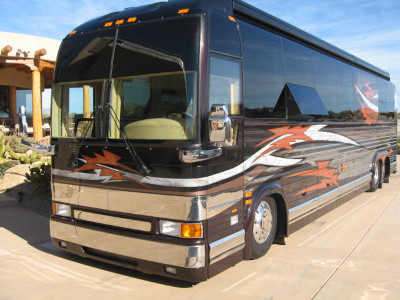

Jimmy’s motorhome


The author’s motorhome

Posted on Leave a comment

Oil Platform Pickleball


I was conversing with Anne in the machine shop. Or, more specifically, as usual, I was listening to her lecture me in a high-pitched, frantic voice about some sort of safety violation. In this case, it was a guard left too high on a band saw. It wasn’t even me who had left it like that. Anne is the junior safety officer. She took her job so seriously that everyone hated her.

Her boss, Chris, the senior safety officer, might see a guard left too high, and he’d smile at me, he’d glance at the guard, look back at me, until suddenly I understood, and sheepishly lowered the guard.

The only place Anne was tolerable was in the multi-purpose room. We have a huge room under the helipad that’s used for storage, meetings, and anything where a large space is necessary. It’s usually mostly empty except when a supply ship arrives.

One time one of the crates that arrive was marked ‘Recreational Supplies.’ Oddly, with 180 people on this platform, you’d think some of them would take interest. But it just sat there. So, I finally opened up. As the machinist, I was as qualified as anyone, right? Looking inside, I found the most ridiculous collection of equipment. There were 20 baseball mitts, but not balls or bats. There were 12 basketballs. That was good. Then there were two fishing nets. Like, here in the windy North Sea, anyone might like to drape a net off the platform into the freezing cold water 100 feet below, to recreationally catch some fish. Finally, there was something that particularly interested me: Twelve pickleball paddles and 100 pickleballs. Cool! I had played some pickleball, and rather liked the sport. But there were no nets.

I waited and waited for something to happen. I wasn’t quite sure what. The only things that were being used were the basketballs. Occasionally some guys would make use of the hoops that had been thoughtfully installed in the multi-purpose room when the rig was built.

This is a showcase site for Jeff Napier of US-Web-Design. Surprisingly low-cost solutions for all your website and marketing needs. More...

I decided it was time to take action. I got permission to paint the stripes necessary for two pickleball courts on the floor. I managed to get the paint crew to make the stripes. As to nets, it didn’t take much to weld up some portable frames from our huge, useless stock of 1-inch by 1-inch square steel tubing, and cut up those fishing nets into pickleball nets.

All that was the easy part. I put up platform-wide announcements inviting everyone to play pickleball. In my mind, there’d be at least 20 people, and we’d have to wait our turns to play. In reality, four people signed up, so there were five of us total.

One of those people greatly distressed me: It was Anne. I can’t say I hated her, but it was the next worst thing. She’s tall and skinny, and her long, smooth, shiny hair that stops just above her butt fits over her head like a helmet. But that voice! And the fact that even on the pickleball court, she had to be the boss. She made a terrible partner. She’d spend so much energy telling me what to do that when she and I were paired up, I played badly and we generally lost.

One day we were just starting to play, and the whole platform shook. ‘Earthquake,’ I thought. Someone else thought there was an explosion, maybe in the power unit or on the drilling floor. Anne just said, “Oh no,” and went running.

It turns out a supply ship had bumped into one of the four huge pillars that support the platform. Anne called me on the walkie talkie. I was to grab a magnifluxer from the machine shop, and inspect the pillar for cracks. She was even more frantic than usual. No polite words what-so-ever, and she had a few choice swear words for me when I didn’t react instantly.

Well, I went into the pillar, where I met Anne, and she showed me the area where the ship had hit. I checked for a good hour before she was satisfied that there was no damage.

The next day, we reconvened for more pickleball, and sure enough, I was stuck with Anne again. I swear, she arranged to be my partner more than the required amount. I’d like to be a hundred miles away from her, yet she seemed to stick to me like glue. Even on the job. Like, out of 180 people, why did it have to be me inspecting the pillar with her?

On this day after the little bump by the supply ship, Anne was in top form, literally yelling at me at one point about not running a kitchen rally as long as I could have.

That was it. Suddenly, I had enough. I yelled back, “Anne, I don’t like you. I’ve never liked you in the whole six years we’ve been working together. I’ll never like you.”

I wasn’t satisfied yet, adding, “No one likes you!”

As I was saying these things, she just stood there, quietly saying “Oh,” between each of my statements. Her eyes filled with tears, and she ran out of the multi-purpose room.

I felt terrible immediately. Why had I said all that? And in front of the others. I must have hurt her feelings terribly.

Cell phones don’t work on the platform. I tried reaching her by walkie talkie, but she wasn’t answering.

That evening after my shift, I sat on my bunk, and broke down and cried. I had been terribly cruel to Anne. I crushed her. She wasn’t a bad girl. Just a little crazy.

The next morning, a helicopter came and took away one of our crew. Someone was being med-evaced. I was trying to figure out who. Finally, I found out it was Anne.

‘Oh, no,’ I thought. I had no idea what had happened, but was pretty sure my tirade was part of it.

Over the next days, no one heard anything about Anne. Our two-month rotation ended, and it would be another month before I’d be back on the platform. Anne, and whatever the heck had happened to her was never far from my mind.

Finally, I was back on the platform. I asked around, but no one knew anything about Anne until I ran into her boss, Chris. “Oh, yeah, she’s back.” is all he would say, but he added a wry smile. I wondered what that was about.

A day later she came into the machine shop. I was expecting some sort of typical histrionic performance, maybe about an air hose laying on the floor or something. She smiled at me. She actually smiled. That was very weird indeed. She had a bottle of ketchup. She sprayed a little bit on a frayed electrical cord, and smiled again. She sprayed a little more on a box of sharp lathe bits in a box teetering almost half off the edge of a table, and she laughed!

Evidently, this ketchup business was her new way of pointing out safety issues.

This was becoming very strange. I pulled her aside, and started to apologize for my tirade, something I had been hoping to do for the past two-and-a-half months. She brushed it off instantly.

Over the next weeks, she stayed calm as a cucumber. She was downright pleasant every time I ran into her. I was starting to think of her as attractive. How crazy is that? She never did tell me what had happened until about middle of the third week. She and I found ourselves enjoying a meal together, and she told me the whole story.

She had decided that the ship bumping into the pillar was her fault. She was the safety officer in charge. The rule was that supply ships had to stay 40 feet away from the pillars. She was supposed to be on deck, watching and directing, but she had abandoned her post to play pickleball. After all, the ships never hit pillars, and didn’t need any guidance, right? If the ship had bumped harder, it could have destroyed the whole platform. It would have had to be a way, way harder collision, but I didn’t interrupt her with that info.

So, she felt pretty badly when the little collision that was her job to prevent, happened. She took that very, very seriously. Then, when I yelled at her, the dam broke. She assured me it wasn’t my yelling at her that caused the psychological break. It was only the trigger. The break was on the verge of happening. She did add something cryptic at the time. She said that she had always really liked me. ‘Well, she sure had a strange way of showing it,’ I figured.

They flew her off the platform to the on-shore hospital, where she met with a psychiatrist. He gave her some tranquilizers, and then set up ongoing consultation with a psychologist. She told me the root of everything that was wrong – her breakdown, her horrible frantic attitude, was that she was taking everything too seriously. Too personally. Together with the shrink, they traced it back to when in her adolescence, her mother started getting heavily into prescription drugs, and walked around the house like a zombie. Her father was at work all day. Over and over again, she had to prevent accidents that her mother was setting up. Fires in the kitchen, the mother tripping over furniture, broken bottles, just all sorts of things. I can only imagine the impact of trying to watch over one’s own mother like that must have had on a little girl.

I understood that’s why she had become a safety officer. It had become part of who she was. Being on the oil rig was like watching over her mother all over again, but now there were 180 people to watch over. She had taken it too seriously.

I’ve heard of psychologists having good results for some situations. Well this guy, whoever it was, did a spectacular job. It was the same Anne, but entirely without the squeaky, high, frantic voice, and without the bossy attitude. And it stuck. She never went back to the way she was.

Now there were 8 or 9 people playing pickleball every day that they could get the free time. We had both courts going. I was there pretty much every minute I wasn’t on duty. So was Anne. She and I were becoming really good players. We seeked each other out as teammates.

At the end of our next rotation is when it got weird. For some reason, I drove out and visited her. I met her family. I played pickleball in the park with her friends.

Of course that was three years ago. We’re happily married, and she’s pregnant.

See many more pickleball articles at OddPickleball.com.

Posted on Leave a comment

Old Don Piano Cat


Ah, cats and their meows—one of life’s tiny mysteries wrapped in fur and attitude. 🐱 Meowing isn’t just random noise; it’s a surprisingly nuanced form of communication, almost exclusively reserved for humans. Unlike dogs, who bark at everything, cats have a special vocal toolkit for us. Here’s a deep dive into the world of feline chatter.

🐾 Why Cats Meow

Meowing is mostly for humans. Adult cats rarely meow at each other; kittens meow to get their mother’s attention, and as adults they retain that habit for communicating with humans.

Attention, please! Many meows are simply ways to say, “Hey, I exist. Feed me. Pet me. Open the door.”

Health alerts. Persistent or unusual meowing can indicate stress, pain, or illness, especially in older cats.

This is a showcase site for Jeff Napier of US-Web-Design. Surprisingly low-cost solutions for all your website and marketing needs. More...

Cats also use different pitches and tones for different needs. A high-pitched meow often signals urgency or excitement, while a low-pitched one can indicate annoyance or discomfort.

🐱 Types of Meows

The Greeting Meow: Your cat says hello when you come home. Usually short and cheerful.

The Request Meow: The one that demands food, attention, or entry. Often repetitive until you respond.

The Complaint Meow: Longer, drawn-out, sometimes accompanied by swishing tail.

The Caterwaul: Loud, yowling meows—usually by unspayed females in heat or cats feeling territorial.

The Trill or Chirp: A mix between a meow and a purr, often used to greet humans or other cats, or to indicate excitement.

The Silent Meow: Mouth moves, but no sound. Many cat owners report that this is often the most insistent “feed me” type.

🧠 The Science of Meowing

Cats can make over 100 different sounds, but the meow is the one they use mostly for humans.

Studies show that cats can modify their meows to mimic a baby’s cry, making humans respond faster—sort of an evolutionary trick.

Cats can distinguish between their owner’s voice and a stranger’s, and some tailor their meows accordingly.

Cats may also imitate other species’ sounds if they notice it gets attention—like birds or even dogs.

😺 Fun and Surprising Facts

Not all breeds meow the same way—Siamese cats are famous for being vocal and loud, while Maine Coons are more soft-spoken.

Some cats use meows to initiate play, signaling excitement or curiosity.

Kittens meow more when they’re cold, hungry, or lonely.

Meowing frequency usually decreases once a cat reaches adulthood unless they live with humans.

Senior cats may meow more if they have cognitive decline, disorientation, or anxiety.

In Japan, the word for “meow” is “nyā”, which has become iconic in pop culture.

🐾 Tips for Understanding Your Cat

Listen to the tone, pitch, and duration—it tells you what kind of “conversation” they want.

Respond consistently—cats learn that certain meows get results.

Don’t ignore health-related meows; sudden increases in vocalization could indicate illness.

Some cats develop a “signature meow”, a unique sound they use only with their favorite humans.

Posted on Leave a comment

Raccoon Fixing Car


Most raccoons don’t have much knowledge of automotive technology, but this one seems to know exactly what he’s doing.

Raccoons are clever, adaptable little bandits with ringed tails and a reputation for opening anything that looks like it might contain snacks. Here are 30 fascinating facts about the animal known as the Raccoon.

🦝 Biology and Behavior

The scientific name of the raccoon is Procyon lotor, which roughly means “washer dog.” Early observers thought raccoons looked like they were washing their food.

That “washing” behavior isn’t really cleaning. Raccoons are actually increasing the sensitivity of their paws by wetting them.

This is a showcase site for Jeff Napier of US-Web-Design. Surprisingly low-cost solutions for all your website and marketing needs. More...

A raccoon’s front paws are extremely sensitive and contain thousands of nerve endings, almost like human fingertips.

They can identify objects by touch alone even without seeing them.

Raccoons are mostly nocturnal, meaning they are active mainly at night.

Their famous black facial mask helps reduce glare and improve night vision, similar to the eye-black used by athletes.

An adult raccoon typically weighs 10–20 pounds (5 – 9 kg), though some urban raccoons can grow much larger thanks to abundant food.

Raccoons have excellent climbing ability and can descend trees headfirst by rotating their hind feet.

They are very intelligent animals, ranking among the smartest mammals after primates and dolphins in some tests.

Raccoons have been shown to remember solutions to puzzles for up to three years.

🧠 Intelligence and Problem Solving

In experiments, raccoons have been able to pick locks, unlatch cages, and solve multi-step puzzles.

Some researchers say raccoon intelligence is comparable to monkeys in certain tasks.

They can open jars, doors, coolers, and trash can lids, which is why they are famous neighborhood “garbage burglars.”

Raccoons learn by trial and error and quickly adapt to new situations.

Mothers teach their young how to forage and solve problems.

🌎 Habitat and Range

Raccoons are native to North America, but humans have introduced them to parts of Europe and Japan.

They thrive in cities and suburbs, often living in attics, chimneys, sewers, and abandoned buildings.

Urban raccoons can have smaller territories because food is plentiful.

They are excellent swimmers and often hunt along rivers, lakes, and wetlands.

Raccoons can survive in climates ranging from Canada’s forests to tropical regions.

🍎 Diet

Raccoons are omnivores, meaning they eat both plants and animals.

Their diet can include fruit, nuts, insects, frogs, fish, eggs, corn, and garbage.

They especially love sweet corn and ripe fruit.

In cities they frequently raid trash cans, pet food bowls, and bird feeders.

👶 Life and Social Behavior

Baby raccoons are called kits or cubs.

A typical litter contains 2–5 babies.

The babies are born blind and helpless and stay with their mother for about a year.

Female raccoons are usually more social than males, sometimes sharing territory with relatives.

🦝 Fun and Unusual Facts

A raccoon’s ringed tail helps with balance when climbing and may also be used for communication.

Despite their mischievous reputation, raccoons play an important role in ecosystems by spreading seeds and controlling insects and small animals.