Posted on Leave a comment

10 Ways to Open Stuck Kitchen Drawers

Here are 10 common ways to open a stuck kitchen drawer, starting with the least forceful methods:

  1. Pull Gently While Wiggling
    • Apply steady pressure while moving the drawer slightly side to side or up and down. Sometimes a small obstruction can be bypassed this way.
  2. Push It In First
    • A drawer can become jammed when it is slightly misaligned. Pushing it closed an inch or two before pulling again may help it re-seat on its tracks.
  3. Remove Weight from the Drawer
    • If you can access the contents from above or through a gap, try removing heavy items. Excess weight can cause drawers to sag and bind.
  4. Check for Utensils Sticking Up
    • Long spoons, spatulas, or serving forks sometimes tip upward and become wedged against the countertop or cabinet frame.
  5. Tap the Front Lightly
    • A gentle tap with your hand near the corners of the drawer front can sometimes free a stuck slide or shift an obstruction.
  6. Use a Thin Tool Through the Gap
    • If there’s a visible gap, a ruler, paint stirrer, or thin piece of cardboard may help push down a utensil or object that’s blocking the drawer.
  7. Pull from Both Sides Evenly
    • If you normally pull from one handle or one corner, try gripping both sides. Uneven force can cause the drawer to rack and bind.
  8. Lubricate the Slides
    • If the drawer is partially open, inspect the runners. A small amount of silicone lubricant can help if friction is the problem.
  9. Access the Drawer from Behind
    • In some cabinets, removing a lower drawer or looking through the back of the cabinet can reveal what’s causing the jam.
  10. Remove the Drawer Above or Adjacent Drawer
    • Many kitchen jams are caused by an object that has fallen behind or beside a drawer. Accessing the space from a neighboring opening can make it much easier to free the obstruction

Common Causes

The most frequent culprits are:

  • Utensils standing upright
  • Plastic wrap or foil boxes shifting out of place
  • Objects falling behind the drawer
  • Overloaded drawers
  • Misaligned drawer slides
  • Swollen wood from humidity

Posted on Leave a comment

10 Ways to Boost Your Confidence

10 Ways to Seem More Confident

Here are 10 ways to genuinely build confidence, rather than merely appearing confident:

1. Keep Promises to Yourself

Confidence grows when you develop a history of doing what you said you would do. Start with small commitments and follow through consistently.

2. Get Better at Something

Competence is one of the strongest foundations of confidence. The more skill you develop in an area, the less you have to rely on positive thinking alone.

3. Face Small Fears Regularly

Confidence is often the result of accumulated evidence that you can handle discomfort. Deliberately do things that make you slightly nervous, such as speaking up in a meeting or introducing yourself to someone new.

4. Stop Measuring Yourself Against Everyone Else

Constant comparison can make even successful people feel inadequate. Compare yourself primarily to your past self rather than to other people’s highlights.

5. Learn to Tolerate Mistakes

Confident people are not mistake-free. They simply understand that errors, embarrassment, and setbacks are normal parts of life and growth.

6. Improve Your Physical Well-Being

Regular exercise, adequate sleep, and good nutrition often have a surprisingly large effect on confidence because they improve energy, mood, resilience, and self-respect.

7. Build Evidence, Not Affirmations

Positive statements can help, but confidence usually comes from evidence. Instead of saying, “I am confident,” create proof through actions and achievements.

8. Expand Your Comfort Zone Gradually

Take on challenges that are slightly beyond your current abilities. Over time, what once felt intimidating becomes familiar.

9. Develop Self-Respect

Treat yourself as someone whose needs, opinions, and boundaries matter. Confidence often grows from self-respect more than from self-esteem.

10. Accept That You Won’t Please Everyone

Many confidence problems stem from fear of disapproval. The more comfortable you become with the fact that some people will disagree with you, misunderstand you, or simply not like you, the freer and more confident you tend to become.

A Useful Perspective

Confidence is often misunderstood as certainty. In reality, truly confident people are frequently uncertain. The difference is that they trust themselves to cope with whatever happens next. Confidence is less “I know I’ll succeed” and more “I’ll be okay whether I succeed or not.”

Posted on Leave a comment

10 Ways to Seem More Confident

10 Ways To Boost Your Confidence

Here are 10 practical ways to seem more confident, even when you’re feeling uncertain:

  1. Slow Down Your Movements
    • People who appear confident rarely rush unnecessarily. Move, speak, and react at a measured pace.
  2. Maintain Comfortable Eye Contact
    • You don’t need an intense stare. Simply looking at people while speaking and listening signals self-assurance.
  3. Speak Slightly More Slowly
    • Fast speech can sometimes suggest nervousness. A steady pace makes others more likely to perceive you as thoughtful and confident.
  4. Use Fewer Apologies
    • Replace unnecessary “Sorry to bother you” or “Sorry if this is a dumb question” with direct statements.
  5. Stand and Sit with Open Posture
    • Keep your shoulders relaxed, chest open, and arms uncrossed. Your body language often speaks before you do.
  6. Pause Before Responding
    • Confident people don’t feel compelled to answer instantly. A brief pause can make you appear more deliberate and composed.
  7. Avoid Constant Self-Deprecation
    • Occasional humor is fine, but repeatedly putting yourself down can undermine how others perceive you.
  8. Ask Questions Instead of Trying to Impress
    • Curiosity often comes across as confidence. People who are secure in themselves don’t feel the need to dominate every conversation.
  9. Dress with Intention
    • You don’t need expensive clothes. Wearing clean, well-fitting, appropriate clothing can noticeably affect both how you feel and how you’re perceived.
  10. Become Comfortable with Silence
    • Many people rush to fill every conversational gap. Being at ease with a few seconds of silence can project calm confidence.

A useful observation: confidence is often less about appearing bold and more about appearing comfortable. People who seem confident frequently aren’t trying to look impressive; they’re simply acting as though they belong where they are.

Posted on Leave a comment

10 Unusual Ways to Spice Meals

You may have trouble finding some of these spices, but you’ll find the search worth your effort.

  • Grains of Paradise
    A West African spice related to ginger and cardamom. It has a peppery flavor with citrus and floral notes. Commonly used on roasted vegetables, fish, and meats.
  • Mahlab
    Made from the ground pits of a cherry species. It has a flavor reminiscent of almond, cherry, and vanilla. Often used in Middle Eastern and Mediterranean breads and pastries.
  • Long Pepper
    An older relative of black pepper with a warmer, more complex taste that includes sweet and earthy notes. Suitable for soups, sauces, and spice blends.
  • Ajwain
    A strong, thyme-like spice commonly used in Indian cooking. It adds a savory, herbal flavor to breads, legumes, and vegetable dishes.
  • Sumac
    A dark red spice with a tart, lemon-like flavor. Widely used in Middle Eastern cuisine on meats, salads, rice, and dips.
  • Nigella
    Small black seeds with a flavor combining onion, oregano, and pepper notes. Often used on flatbreads, curries, and vegetable dishes.
  • Tasmanian Pepperberry
    A native Australian spice with fruity, slightly sweet notes followed by strong heat. Used in meat dishes, sauces, and gourmet seasoning blends.
  • Fenugreek
    A spice with a slightly bitter, nutty flavor and a maple-like aroma. Common in curries, spice blends, and some breads.
  • Kala Namak
    A mineral salt with a sulfurous flavor often used in Indian cooking. Frequently added to chutneys, snacks, and vegan dishes.
  • Pink Peppercorn
    Mild, floral, and slightly sweet berries often used as a garnish or seasoning. Pairs well with seafood, cheeses, and desserts.
Posted on Leave a comment

10 Ways to Trick Yourself into Starting Tough Projects

Starting a difficult project is often less like “motivating yourself” and more like smuggling your brain past its own security guards. 🧠🚧
Here are 10 surprisingly effective ways to outwit procrastination and get moving.

  1. Lower the starting line until it becomes ridiculous
    Don’t “write the article.” Open the document.
    Don’t “clean the garage.” Move one box.
    Your brain fears marathons but tolerates tiny absurd errands. Momentum is a sneaky little bicycle with no brakes.
  2. Tell yourself you’re allowed to quit after 10 minutes
    Most resistance is about starting, not continuing. Once engaged, the brain often stops acting like a raccoon trapped in a trash can and settles into the task.
  3. Create a “project runway” the night before
    Leave the tools open and ready:

    • document already loaded
    • paintbrushes out
    • workout clothes visible
    • code editor open

    Reduce friction until beginning feels almost accidental.

  4. Use the “bad first draft” strategy
    Intentionally aim to do it badly at first.
    Terrible beginnings are vastly underrated. Many excellent projects begin as steaming compost piles of confusion.
  5. Make the project socially real
    Mention it to someone. Post a deadline. Schedule a meeting around it. Humans are bizarrely willing to suffer to avoid looking flaky.
  6. Pair the task with a pleasurable ritual
    Special tea. Candle. Soundtrack. Fancy pen. Café visit.
    You’re basically training your nervous system like a tiny emotional otter: project time = pleasant atmosphere.
  7. Focus on curiosity instead of completion
    Instead of “I must finish this,” try:

    • “What happens if I try?”
    • “What would version 1 look like?”
    • “Can I discover one interesting thing?”

    Curiosity slips past fear more easily than ambition.

  8. Use productive procrastination
    If the main project feels impossible, do a related mini-task:

    • organize notes
    • sketch ideas
    • rename files
    • research one detail

    You’re still circling the airport instead of never leaving the house.

  9. Change locations dramatically
    Different environment, different mental state.
    Libraries, cafés, porches, parks, empty conference rooms, hotel lobbies. Sometimes the brain simply needs new wallpaper to stop replaying old avoidance patterns.
  10. Pretend you’re helping someone else
    People often show more compassion and discipline toward imaginary others than toward themselves. Ask:
  • “If a friend needed this done, how would I help?”
  • “What advice would I give another person?”

Suddenly the impossible task becomes… oddly manageable.

Bonus truth nugget:
Many tough projects do not begin with confidence. They begin with shuffling. Half-energy. Mutters. A vague sense of administrative doom. Great novels, businesses, inventions, and life changes have often started with someone reluctantly opening a laptop while eating crackers.

Posted on Leave a comment

10 Ways in Which Big Corporations Expressed True Empathy

Here are 10 examples of large corporations that, at least in specific moments, were widely seen as demonstrating real empathy through concrete actions rather than just polished slogans. None of these companies are perfect saints carved from marble and oat milk foam. Most have also faced criticism elsewhere. But these examples are notable because they involved meaningful cost, effort, or institutional change.

  1. Microsoft
    Microsoft invested heavily in accessibility technologies including screen readers, adaptive controllers for gamers with disabilities, live captioning, and inclusive software design. The Microsoft Adaptive Controller became especially well known because it addressed a need many companies had ignored for years.
  2. Patagonia
    Patagonia has repeatedly prioritized environmental causes over short-term profit, including donating company profits toward climate efforts and encouraging customers to repair old clothing instead of buying new products. Imagine a retail company voluntarily saying, “Maybe buy less stuff.” Wall Street briefly levitated out of confusion.
  3. CVS Health
    CVS Health stopped selling cigarettes in its stores in 2014 despite losing billions in tobacco revenue. For a corporation to voluntarily walk away from a profitable product because it conflicted with healthcare goals was highly unusual.
  4. Delta Air Lines
    During major emergencies and family crises, Delta Air Lines has occasionally waived fees, assisted stranded passengers, and provided logistical support after disasters. Airlines are often associated with the emotional warmth of a parking meter, so these moments stand out sharply.
  5. Salesforce
    Salesforce became known for advocating equal pay audits and adjusting salaries after discovering gender pay disparities. It also encouraged employee volunteering and philanthropy through its “1-1-1” giving model.
  6. Airbnb
    Airbnb launched emergency housing programs for refugees, disaster evacuees, and medical workers during crises including wildfires and the COVID pandemic. Temporary housing can become a lifeboat when everything else collapses.
  7. Johnson & Johnson
    Johnson & Johnson is frequently cited for its response to the 1982 Tylenol cyanide murders. The company rapidly recalled products nationwide, prioritized public safety, and redesigned tamper-resistant packaging, even at enormous financial cost.
  8. Starbucks
    Starbucks expanded college tuition assistance, mental health benefits, and healthcare eligibility for many part-time employees, benefits that historically were rare in service-sector jobs.
  9. LEGO Group
    LEGO Group has invested in educational programs, sustainable materials research, and products supporting children with visual impairments, including Braille learning bricks. Tiny plastic rectangles quietly becoming educational bridges is a pretty elegant plot twist.
  10. Costco Wholesale
    Costco Wholesale developed a reputation for paying employees comparatively higher wages and offering stronger benefits than many competitors in retail. Analysts sometimes criticized this as inefficient. Employees often called it life-changing.

A fascinating pattern appears in many of these examples: empathy becomes most visible when a corporation accepts a real sacrifice. Lost revenue. Higher labor costs. Slower growth. Expensive redesigns. Immediate profits are the corporate equivalent of gravity, so when a company moves against that pull, people notice.

Posted on Leave a comment

The 10 Foods Americans Like Best

Can you guess the 10 foods Americans like best?

Here are 10 of the most popular and widely loved foods in the United States.

  1. Pizza 🍕
    Imported from Italy, rebuilt in America into dozens of regional species. New York slices fold like newspapers, Chicago deep dish resembles a delicious architectural project, and frozen pizza quietly powers countless weeknights.
  2. Hamburgers 🍔
    The reigning monarch of American casual food. Backyard cookouts, fast-food chains, diners, gastropubs, ballparks: the burger occupies more territory than some empires.
  3. French Fries 🍟
    Not truly French, but unquestionably beloved. Thin, curly, waffle-cut, steak fries, loaded fries, truffle fries. Potatoes wearing different costumes.
  4. Fried Chicken 🍗
    Crispy, juicy, salty, comforting. Particularly associated with the American South, though now universal. Every region insists it knows the “right” way to make it.
  5. Tacos 🌮
    Once considered regional in the U.S., now nearly as common as sandwiches. American taco culture ranges from authentic street tacos to crunchy-shell inventions engineered for maximum cheese containment.
  6. Macaroni and Cheese 🧀
    Childhood nostalgia in casserole form. It can emerge from a blue cardboard box or from a gourmet restaurant carrying six cheeses and a superiority complex.
  7. Hot Dogs 🌭
    Baseball’s edible sidekick. Cities argue fiercely over toppings: mustard only, chili, sauerkraut, onions, relish, celery salt. A hot dog can start a regional debate faster than politics.
  8. Barbecue 🍖
    Less a food than a federation of smoky rival nations.
    Texas: beef brisket.
    Kansas City: sweet sauce.
    Carolina: pulled pork.
    Memphis: ribs.
    Smoke drifts across America like a delicious weather system.
  9. Apple Pie 🥧
    Symbolically American despite European roots. The phrase “as American as apple pie” survived because no one wanted to argue with warm cinnamon apples.
  10. Sandwiches 🥪
    America turned the sandwich into an infinite category: subs, clubs, PB&J, grilled cheese, cheesesteaks, Reubens, po’boys, and towering deli constructions requiring structural engineering.

A few honorable mentions that nearly made the list:

  • Buffalo wings
  • Donuts
  • Ice cream
  • Pancakes
  • Peanut butter and jelly
  • Chili
  • Nachos
  • Sushi (hugely popular in modern America)
  • Chinese takeout
  • Southern biscuits and gravy

If you’d like, I can also give:

  • the 10 most uniquely American foods
  • the most popular foods by state
  • the most ordered fast foods
  • the favorite comfort foods in America
  • or the weirdest regional American foods 🌽🦞🥒
Posted on Leave a comment

10 Mental Glitches That are Completely Normal

Human beings are basically walking improvisation machines. A lot of what feels “weird” is actually just standard-issue biology doing quirky background jazz. Here are 10 human oddities that are completely normal, even if they sometimes feel like your brain is briefly auditioning for a surreal theater troupe:

  1. Sudden emotional glitches for no clear reason
    You can feel fine, then mildly melancholic because of a song snippet or the way afternoon light hits a wall like it’s narrating a memory you don’t have. This is normal neural association play, not a malfunction.
  2. Talking to yourself (and answering back)
    Inner dialogue, rehearsal conversations, muttered reminders in the grocery aisle. Your brain is running a multi-channel simulation system out loud. It’s basically vocal thinking.
  3. Forgetting why you entered a room immediately upon arrival
    Doorways act like mental resets. Neuroscientists even call it the “event boundary” effect. Your brain politely drops one file before loading the next.
  4. Imagining conversations that will never happen
    Whole speeches prepared for imaginary debates, arguments, or acceptance awards while washing dishes. This is cognitive rehearsal, not delusion. Your mind is just over-prepping like a nervous actor.
  5. Random physical twitches or jerks when falling asleep
    That sudden “falling” sensation that kicks your body awake is a sleep-start reflex. Your nervous system briefly forgets gravity is still covered by subscription.
  6. Briefly not recognizing your own reflection in motion
    A flicker of unfamiliarity when catching yourself unexpectedly in a mirror or window. Your brain updates self-image continuously, so surprise lag happens.
  7. Hearing your name when no one called it
    Especially in noisy environments. The brain is an overzealous pattern detector, always scanning for “important signal: me.”
  8. Craving very specific foods for emotional rather than nutritional reasons
    Not hunger, but nostalgia wearing a snack disguise. The brain bookmarks comfort experiences and replays them as cravings.
  9. Sudden urge to jump from high places (without wanting to)
    That eerie “what if I jumped?” thought is called the “call of the void.” It’s a safety-check mechanism, not an impulse command.
  10. Losing words mid-sentence like they’ve slipped behind furniture
    You know the concept, the shape of it, the vibe of it… but the word itself is temporarily on vacation. Language retrieval is messy, not broken.

If anything, the odd part isn’t that these happen. It’s that billions of humans share the same glitches and still manage to function like we’re not all slightly improvising reality in real time.

Posted on Leave a comment

10 Ways To Make a Website Irresistible (Like This One)

Here are 10 powerful ways to make a website so irresistible that visitors forget they have a life outside it:

1. Instant Visual Wow Factor

Hit them with a hero section so gorgeous they’ll think they accidentally clicked on a luxury resort website. Use a jaw-dropping image or video with a headline like “Stop scrolling. Your new obsession starts here.” If it doesn’t make them whisper “whoa,” redo it.

2. Lightning-Fast Loading Speed

Make your site load faster than your ex can text “u up?” Compress those images, cut the unnecessary scripts, and aim for under 2 seconds. Nobody has time for a loading wheel spinning like it’s doing laundry.

3. Dead-Simple Navigation

Design your menu so clear that even your grandma (or your confused uncle) could find what they need without rage-quitting. If visitors need a treasure map to find the “Contact” page, you’ve already lost.

4. Emotional, Benefit-Driven Copy

Write like a charming, slightly chaotic friend instead of a corporate robot. Say “Finally sleep like a well-rested cat” instead of “Our mattresses have 47 memory foam layers.” People buy feelings, not features.

5. Micro-Interactions & Delight

Add tiny animations that make people smile: buttons that do a happy little bounce, confetti when they sign up, or a cursor that turns into a taco on hover. These are the digital equivalent of giving your website a personality.

6. Social Proof That Actually Works

Real testimonials with faces, not “John D. – satisfied customer.” Bonus points if someone says “This changed my life” and you can prove it. Nothing says “trust me” like strangers raving about you online.

7. Mobile-First & Beautiful on Every Device

Make sure it looks perfect on phones, because 90% of your visitors are probably sitting on the toilet right now. If it breaks on mobile, congratulations — you just built a desktop-only museum piece.

8. Clear, Irresistible Calls-to-Action

Ditch boring “Submit” buttons. Use “Yes, Give Me the Good Stuff” or “Take My Money.” Make them big, colorful, and impossible to ignore — like that one friend who keeps texting you about their MLM.

9. Personalization & Smart Recommendations

Greet returning visitors or show them stuff they’ll actually like. It’s like Netflix saying “We know you watched 47 true crime docs… here’s more.” People love feeling understood (and slightly spied on in a cute way).

10. Scarcity, Urgency & Exclusivity (used ethically)

“Only 7 spots left this month” or “Price goes up in 48 hours.” Just don’t be that guy who’s been having a “flash sale” for three years straight. People can smell desperation from across the internet.

Bonus Tips for Maximum Irresistibility:

Use generous white space — clutter is the visual equivalent of someone talking with food in their mouth.

Inject personality and humor. Let your brand be weird. Normal is forgettable.

Remember: Your website should feel less like a brochure and more like a really good first date.

Posted on Leave a comment

10 Ways to Feel Wealthy Without Being Wealthy

True wealth is often less about the number in a bank account and more about a state of mind, autonomy, and the quality of your daily experiences. You can engineer the sensation of living a highly luxurious life by shifting how you interact with your time, your environment, and other people.

Here are 10 ways to cultivate a rich life without needing a fortune:

1. Curate a “Boutique” Daily Experience

Treat your personal space and daily routines like a high-end brand. Instead of accumulating cheap clutter, focus on a few well-placed, well-cared-for items. Keeping your physical environment deliberate and uncluttered immediately mimics the luxurious, intentional feel of boutique spaces.

2. Practice “Social Wealth” Through Generous Praise

A mindset of scarcity looks for flaws; a mindset of abundance looks for the good. You can feel instantly emotionally wealthy by having enough goodwill to give away. Try cultivating an overwhelmingly positive praise-to-criticism ratio in your daily interactions. Lavishing genuine, specific compliments on the people around you costs nothing but makes you feel immensely valuable and connected.

3. Design a Sleek Digital Environment

Since we spend so much of our lives looking at screens, your digital space should feel luxurious, too. Clear your desktop of clutter, organize your files meticulously, and choose high-resolution, visually striking wallpapers—whether you prefer a sleek, glossy, minimalist aesthetic or the intricate, brassy details of a steampunk laboratory. A beautiful workspace elevates your mood every time you log on.

4. The Luxury of Polished Communication

There is an undeniable elegance in well-crafted words. Take the time to intentionally refine, proofread, and meticulously edit your texts, letters, and emails. Making an idea perfectly concise and delivering a beautifully written message feels distinctly high-class and commands immediate respect from the recipient.

5. Reclaim “Time Affluence”

The ultimate luxury of the ultra-rich is having control over their own schedules. You can simulate this by aggressively protecting small pockets of your day. Block out a specific hour on your calendar where you are entirely unavailable to the world. Having time that belongs strictly to you is the definition of affluence.

6. Elevate the Everyday Mundane

Wealth is often found in the details. Upgrade your smallest daily rituals. Drink your morning coffee out of a heavy, beautiful ceramic mug instead of a paper cup. Put your hand soap in a nice glass dispenser. Light a high-quality candle while you do the dishes. Adding a touch of elegance to basic chores changes how you experience your day.

7. Consume High-Quality Information

Swap mindless doomscrolling for deep-dive learning. Reading a masterfully written book, studying the psychology of human interaction, or watching an expertly produced documentary gives you direct access to the world’s greatest minds and ideas. Intellectual wealth is entirely free at your local library.

8. Curate Your Sensory Inputs

High-end environments are rarely loud, chaotic, or harsh. Pay attention to the sensory details of your home. Dim the harsh overhead lights in favor of warm lamps. Play soft, ambient background music, such as lo-fi beats or classical piano. A calm sensory environment signals to your nervous system that you are safe and comfortable.

9. Appreciate Without Acquiring

You can enjoy beautiful things without carrying the burden of owning them. Visit local art galleries, walk through high-end hotel lobbies, or admire the architecture in a beautiful neighborhood. Train yourself to appreciate the world as if it is a giant museum curated specifically for your enjoyment, rather than a store where you must buy things.

10. Embrace the Power of “No”

People with a wealth mindset protect their energy fiercely. Start politely declining invitations, favors, or obligations that drain you. The autonomy to choose exactly what you do with your Saturday afternoon is one of the richest feelings in the world.

Posted on Leave a comment

10 Ways to Make Ordinary Conversations Unexpectedly Memorable

A surprising, specific compliment — Not “Nice shirt,” but “That color makes you look like you’re about to win an award.” Specificity sticks.

A tiny, vivid story — Drop in a 10‑second anecdote. People remember stories far more than facts.

A curious, sideways question — Instead of “How’s work,” try “What’s something you learned recently that surprised you?” It jolts the brain awake.

A playful observation — Light humor about the moment you’re both in (“This line is moving like it’s being paid by the hour”) creates instant connection.

A micro‑confession — Something harmless but real: “I always forget people’s names the second they tell me.” Vulnerability invites warmth.

A thoughtful callback — Refer to something they said earlier. It shows you were actually listening, which is rarer than it should be.

A well‑placed metaphor — “That meeting felt like trying to herd caffeinated squirrels.” People remember images.

A moment of genuine enthusiasm — When you light up about something, even briefly, it gives the conversation a spark.

A question about their inner world — “What’s something you wish people asked you about more often?” It’s intimate without being intrusive.

A graceful, intentional ending — Most people end conversations awkwardly. Ending with warmth (“This was fun — you made my day a little brighter”) makes the whole exchange stand out.

Posted on Leave a comment

10 Ways to Disappear for an Hour Without Leaving Home

The Door-Closed Rebrand

Pick a room, close the door, and declare it “administrative closure for atmospheric maintenance.” Even if it’s just you and a laundry basket.

Headphones as a Force Field

Put on immersive music or an audiobook and treat it like a privacy bubble. To the outside world: you’ve been airlifted to elsewhere.

Bath or Shower Exile

Long shower, bath, or even just “standing under water thinking about absolutely nothing in particular.” Time dissolves politely here.

The Reading Sinkhole

A physical book or long article that quietly eats the hour while you think you’re just “starting a chapter.”

Micro Nap with Diplomatic Intent

Set a timer and lie down “for a moment of restoration.” You may return as a slightly upgraded version of yourself.

Deep Clean Black Hole

Choose one tiny task (a drawer, a shelf). It will expand like a universe and consume the hour without asking permission.

Screen Tunnel Mode

One show episode, one YouTube rabbit hole, one game level. The trick is not starting three portals at once unless you want temporal distortion.

Kitchen Experimentation Lab

Make something unnecessarily specific: tea at exactly the right temperature, a snack plate arranged like modern art, or a “taste test study.”

Journaling / Brain Dump Portal

Write everything in your head onto paper or a doc. It feels like emptying a noisy attic into silence.

The Stare-Into-Nothing Protocol

Sit somewhere comfortable and do absolutely nothing structured. No productivity, no input. Just let your thoughts wander off like they missed their train.

Posted on Leave a comment

10 of the Dalai Lama’s Most Remarkable Quotes

Happiness is not something ready made. It comes from your own actions.”

“Be kind whenever possible. It is always possible.”

“Remember that sometimes not getting what you want is a wonderful stroke of luck.”

“My religion is very simple. My religion is kindness.”

“Love and compassion are necessities, not luxuries. Without them, humanity cannot survive.”

“If you think you are too small to make a difference, try sleeping with a mosquito.”

“Our prime purpose in this life is to help others. And if you can’t help them, at least don’t hurt them.”

“The purpose of our lives is to be happy.”

“Do not let the behavior of others destroy your inner peace.”

“Choose to be optimistic, it feels better.”

Posted on Leave a comment

10 Ways to Spot a Narcissist

See Also: 10 Tips for Getting Along with Narcissists

Here are 10 tips for recognizing narcissistic traits, particularly in how they navigate social and professional settings:

Watch the Praise-to-Criticism Dynamic: In healthy interpersonal communication, people can usually handle a reasonable balance of positive feedback and constructive critique. A narcissist, however, demands a drastically skewed ratio—expecting constant, excessive admiration while being completely intolerant of even the mildest perceived criticism.

Observe Their Reaction to Feedback: When faced with constructive criticism, they rarely respond with self-reflection. Instead, they often react with intense anger, defensiveness, or by shifting the blame entirely onto the person offering the feedback.

Notice the Conversation Flow: Pay attention to who dominates the dialogue. They frequently monopolize conversations, steering the topic back to their own achievements, experiences, or problems, while showing little genuine interest in what others have to say.

Assess Their Empathy Levels: A hallmark trait is a profound lack of empathy. They often struggle to recognize, understand, or validate the feelings and needs of others, viewing situations primarily through how they are personally affected.

Look for a Grandiose Sense of Self-Importance: They often exaggerate their achievements and talents, expecting to be recognized as superior even without commensurate accomplishments.

Identify a Sense of Entitlement: They frequently possess unreasonable expectations of especially favorable treatment or automatic compliance with their demands, believing standard rules simply don’t apply to them.

Spot Interpersonal Exploitation: In both personal and professional environments, they may take advantage of others to achieve their own ends, often without guilt or remorse.

Watch for Envy: They are frequently envious of others’ success, possessions, or relationships, or they may possess a deep-seated belief that others are highly envious of them.

Note Arrogant or Haughty Behaviors: Their attitude and body language often project superiority, condescension, or disdain for people they perceive as “lesser” than themselves.

Check for Boundary Violations: They routinely ignore personal boundaries—whether emotional, physical, or professional—feeling justified in intruding on others’ space or time to meet their own needs.

Posted on Leave a comment

10 Tips For Getting Along with Narcissists

See Also: 10 Ways to Spot a Narcissist

1. Set firm boundaries
Be clear about what behavior you will and won’t tolerate.

2. Don’t expect deep empathy or accountability
Lowering unrealistic expectations prevents constant disappointment.

3. Stay calm and emotionally neutral
Big emotional reactions often intensify conflict.

4. Pick your battles carefully
Not every argument is worth entering. Save energy for important issues.

5. Avoid overexplaining yourself
Short, direct communication usually works better than long defenses.

6. Don’t rely on them for validation
Build your self-worth independently instead of chasing approval.

7. Watch patterns instead of promises
Consistent behavior tells you more than dramatic words.

8. Keep a strong outside support system
Friends, family, therapists, or trusted coworkers help keep perspective.

9. Use emotional distance when necessary
Techniques like the “gray rock” method can reduce drama and manipulation.

10. Know when to step back or leave
Sometimes the healthiest strategy is reduced contact, strict limits, or ending the relationship altogether.

A useful distinction:

Some narcissistic people are mostly exhausting.
Some are emotionally abusive.
Some can improve with insight and therapy.
Some never meaningfully change.

Knowing which category you’re dealing with can save years of confusion.

Posted on Leave a comment

30 Advantages to Being a Highly Sensitive Person

Statistics based on psychology and brain studies indicate that one out of every five people is a highly sensitive person. Among men and women, the numbers are approximately equal. However many men have learned through social pressure from an early age to hide their HSP traits.

Being a highly sensitive person, or HSP, can feel like walking around with the emotional equivalent of a satellite dish tuned to every frequency in the atmosphere. Exhausting sometimes, yes. But it also comes with remarkable advantages that are easy to overlook because they’re quieter than charisma and less flashy than extroversion. Here are 30 of them:

Deep empathy
You often sense what others are feeling before they say a word.

Strong intuition
Tiny cues, tone shifts, and patterns register quickly, creating surprisingly accurate gut feelings.

Rich emotional life
Joy, awe, love, nostalgia, and beauty can land with cathedral-level intensity.

Excellent listening skills
People frequently feel truly heard around you.

Attention to detail
You notice the metaphorical loose thread on the sweater of reality.

Creativity
Sensitivity often fuels art, music, writing, design, storytelling, and imaginative thinking.

Thoughtfulness before acting
HSPs tend to process consequences carefully instead of bulldozing ahead.

High conscientiousness
Many sensitive people are dependable because they think deeply about responsibility.

Appreciation of beauty
A certain light through trees at 5:42 PM can feel like the universe briefly whispering poetry.

Strong moral awareness
Many HSPs care intensely about fairness, ethics, and reducing harm.

Ability to form deep relationships
Surface-level interaction often feels unsatisfying, which can lead to profound bonds.

Observational intelligence
You may notice social dynamics others completely miss.

Sensitivity to atmosphere
You can detect tension, warmth, authenticity, or discomfort in environments quickly.

Compassionate leadership
Sensitive leaders often create psychologically safe spaces.

Nuanced thinking
HSPs frequently see complexity instead of reducing everything to simple binaries.

Strong imagination
Your inner world may contain entire weather systems.

Heightened appreciation for music and art
Certain songs do not merely play. They move furniture inside the soul.

Good at caregiving professions
Many HSPs thrive in counseling, teaching, healing, mentoring, or animal care.

Self-awareness
Reflection often comes naturally, even if sometimes excessively.

Ability to detect insincerity
Forced smiles and fake enthusiasm can clang like dropped pots.

Depth of processing
You tend to think things through thoroughly rather than superficially.

Sensitivity to others’ needs
You may notice when someone is overwhelmed, excluded, or quietly struggling.

Strong connection to nature
Forests, oceans, rainstorms, and silence may feel genuinely restorative.

Meaning-driven living
Many HSPs seek purpose over status.

Careful decision-making
Impulsiveness is often lower because you evaluate many angles first.

Emotional authenticity
HSPs are often uncomfortable pretending to be something they’re not.

Ability to savor experiences
A cup of tea, a conversation, or a good book can become a full sensory civilization.

High emotional intelligence
Reading emotional nuance can become a genuine superpower.

Resilience through depth
Sensitive people can develop extraordinary inner strength because they feel so much and continue anyway.

Capacity for wonder
HSPs often retain a childlike ability to be astonished by life instead of becoming emotionally concrete.

Posted on Leave a comment

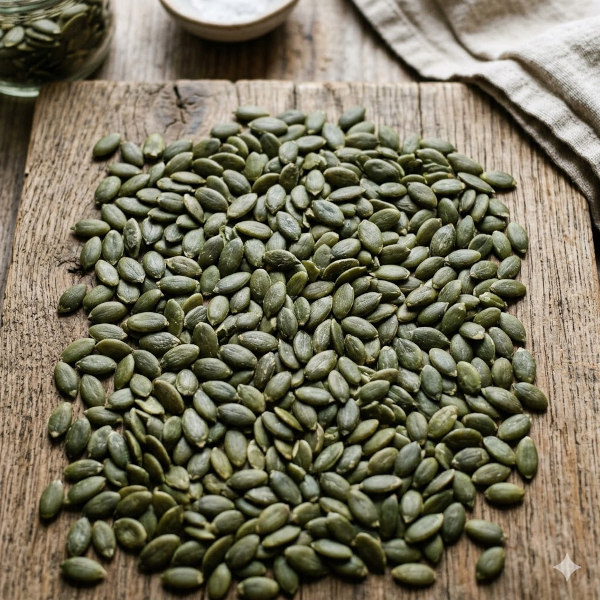
10 Weird Facts About Pumpkin Seeds

Native Americans used pumpkin seeds medicinally for centuries, particularly as a treatment for intestinal parasites and kidney problems. Cucurbitin, a unique amino acid in pumpkin seeds, paralyzes tapeworms and other intestinal parasites, causing them to detach from intestinal walls. Folk medicine across multiple cultures independently discovered this.

They are edible at every stage of preparation. They can be eaten raw, roasted, sprouted, or pressed into oil without requiring detoxification or special processing.

Each seed includes a fully formed embryonic plant along with stored nutrients for early growth.

They contain a sleep chemical — pumpkin seeds are one of the best natural sources of tryptophan, the same compound in turkey famously associated with post-Thanksgiving drowsiness.

They have been consumed for thousands of years. Archaeological evidence shows pumpkin seeds were a food source in the Americas long before modern agriculture. Archaeologists discovered pumpkin seeds in caves in Mexico dating back to 7,000–5,500 BCE, making them one of the oldest cultivated foods in the Americas.

Pumpkin seeds contain high levels of magnesium, zinc, iron, and phosphorus compared to many other common seeds.

The hull-less varieties are a cultivated trait. Seeds without shells are the result of selective breeding rather than naturally occurring wild forms.

Pumpkin seed oil contains a high proportion of unsaturated fats and has a strong pigment due to carotenoids and chlorophyll-related compounds.

They remain viable for long periods when dry.
When stored properly, pumpkin seeds can remain capable of germination for multiple years.

They are used in both food and non-food applications.Beyond eating, pumpkin seed oil and extracts are used in cosmetics and traditional herbal preparations.

There is an Austrian “mutant” pumpkin dedicated just to the seeds. In the late 19th century, a natural genetic mutation occurred in the Styria region of Austria. A crop of pumpkins grew with seeds that had absolutely no outer shell. Recognizing a good thing, farmers selectively bred these “naked” seeds. Today, the Styrian oil pumpkin is a highly prized squash grown almost entirely for its dark green, shell-less seeds rather than its flesh.

Unlike most plant proteins, pumpkin seed protein contains a surprisingly complete amino acid profile, making them a rare near-complete plant protein source.

They can be sprouted as a food product. Sprouting changes their nutritional profile and makes some compounds more bioavailable.

Pumpkin seed oil has a bizarre optical illusion built in. If you press those hull-less pumpkin seeds into oil, the resulting liquid exhibits a fascinating optical phenomenon called dichromatism. If you pour a thin layer of pumpkin seed oil onto a white plate or salad, it looks distinctly dark green. However, if you look through a thick layer of it inside a bottle or jar, the oil appears bright, ruby red.

The best part of the shell is the invisible layer. If you do eat the whole, white-shelled seeds from a carving pumpkin, you are getting a massive dose of zinc. However, the highest concentration of that zinc isn’t in the white shell itself, nor is it deep inside the seed. It is actually concentrated in the endosperm envelope—a microscopically thin layer sitting directly between the white shell and the green seed inside.

Posted on Leave a comment

10 Weird Facts About Menopause

Some women experience hot flashes for more than a decade after menopause.

A hot flash can begin and peak in seconds, almost like the body’s thermostat suddenly misfires.

During a hot flash, skin temperature can rise noticeably enough to appear on thermal imaging cameras.

Menopause can temporarily make some people more sensitive to caffeine, alcohol, or spicy foods.

Hormonal shifts can alter body odor because sweat gland activity and skin chemistry change.

Some women report phantom smells during menopause, such as smoke or burning odors that are not actually present.

Tingling sensations, numbness, or feelings resembling insects crawling on the skin can occur during menopause.

Menopause can affect the ears, leading to ringing, dizziness, or balance disturbances in some cases.
The eyes may become drier during menopause because estrogen influences tear production.

Changes in estrogen can affect the voice, sometimes making it slightly deeper or rougher.

Gum sensitivity and oral discomfort may increase during menopause due to hormonal effects on oral tissues.

Menopause can influence how the body processes certain medications.

Some women experience vivid dreams or unusually intense nightmares during hormonal fluctuations.

Brain scans show that menopause-related hormone changes can affect regions involved in memory and attention.

The hypothalamus, a brain region involved in temperature control, plays a major role in hot flashes.

During perimenopause, menstrual cycles can become extremely unpredictable before stopping entirely.

It is still possible to become pregnant during perimenopause, even when periods become irregular.

Menopause can sometimes mimic symptoms of anxiety disorders because hormonal changes affect the nervous system.

Some women experience sudden intolerance to fabrics, heat, or tight clothing because skin sensitivity changes.

Estrogen affects collagen production, which is why skin texture can change relatively quickly after menopause.

Hair patterns may shift, with thinning scalp hair occurring alongside increased facial hair growth.

Joint pain during menopause is common enough that some women initially assume they have arthritis.

Sleep problems during menopause are not always caused by hot flashes; hormonal shifts alone can disrupt sleep regulation.

Menopause can affect spatial memory and word recall, leading some women to describe temporary “brain fog.”

Research suggests that stress levels may influence how intensely menopause symptoms are experienced.

Humans are among the few species in which females commonly live for decades after reproduction ends.

Some scientists believe menopause may have evolved partly because older women contributed knowledge and caregiving to human communities.

Women in different cultures report very different menopause experiences, suggesting social and environmental factors matter as well as biology.

Surgical menopause, caused by removal of the ovaries, can trigger symptoms much more abruptly than natural menopause.

The transition into menopause can last longer than many people expect. Perimenopause commonly lasts four to eight years, and sometimes longer.