Posted on Leave a comment

Animal Lifespans

See also: Catversity, the free online cat university and entertainment sub-site.

Average Lifespans of Animals

Lion = 40 years
Pig = 25 years
Tortoise = 350 years
Clam = 150 years
Whale = 100 years
Eagle = 100 years
Pigeon = 20 years
Cow = 25 years
Crocodile = 300 years
Elephant = 100 years
Mouse (domestic) = 2 years
Mouse (wild) = Less than 1 year
Rat = 2 years
Cat (outdoor) = 2 years
Cat (kept indoors) = 17 years
Dog = 11 years
Rabbit = 5 years
Horse = 30 years
 

Posted on Leave a comment

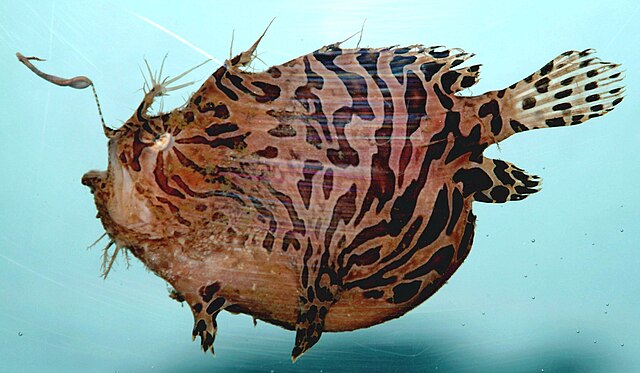
Anglerfish

Some anglerfish, who live in the ocean at depths of over one mile (1.6km), have unusual lives. To see where they are going in that depth, or perhaps to attract food, the females have a chemically operated lamp that hangs on a stalk in front of their mouths. The male doesn’t need to see because early in his life, he bites into the belly of the female and stays there forever. After a while the female grows skin over the connection. The male degenerates, losing his teeth, his fins, and any manner of life beyond being a small appendage hanging off the female.

Posted on Leave a comment

Alligators

If alligator eggs are kept above 86 degrees Fahrenheit, all the babies will be males. If incubated at below 86 degrees, all females will result. One theory about the extinction of dinosaurs is that with a global change in temperature, only one sex would have been born. Of course we now know that dinosaurs were mostly unlike alligators. Alligators have their legs to their sides, so they rest on their bellies. Most dinosaurs had legs under their bellies. Dinosaurs may also have been warm-blooded.

Alligator
Alligator,
Public domain via Wikimedia Commons