Historical Aviation Facts
The first powered flight on December 17, 1903, lasted just 12 seconds and covered 120 feet (36 meters). The brothers flew three times that day. The third and longest flight lasted 15 seconds and covered 200 feet (61 meters). Their engine had no cooling system because it was not expected to run long enough to overheat.

The First In-Flight Meal Was Served in 1919 – Passengers on a Handley-Page flight from London to Paris were given a cold lunch for 3 shillings.
Commercial Airlines Once Had Sky Lounges – The Boeing 377 Stratocruiser in the 1950s had a downstairs lounge with a bar.
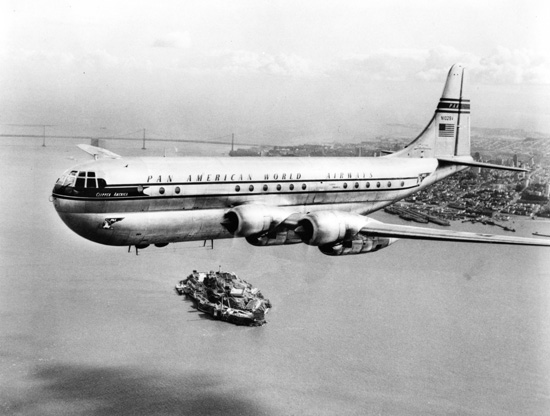
Boing 377 Stratocruiser
The First Female Airline Pilot Flew in 1934 – Helen Richey became the first female commercial airline pilot, but gender biases limited her career.
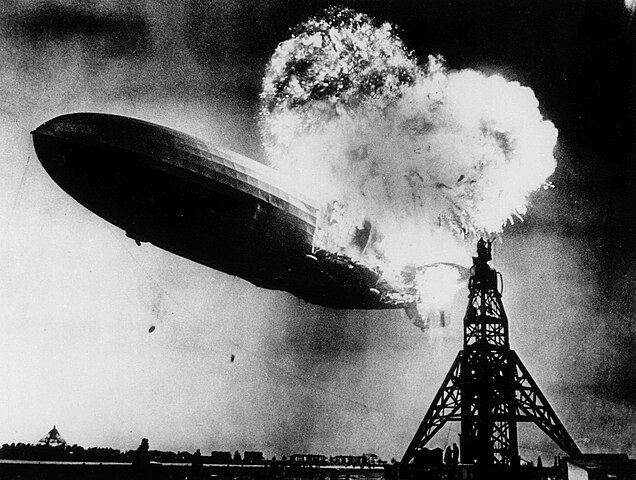
The Hindenburg Had a Smoking Lounge – Despite being filled with highly flammable hydrogen, the Hindenburg Zeppelin had a designated smoking area.
WWII Pilots Used to Pee into Tubes – Many aircraft in WWII had pee tubes for long flights since there were no restrooms. Certain anatomical restrictions having to do with the use of these tubes may be one reason that women were not often involved in long-range aviation in the early years.
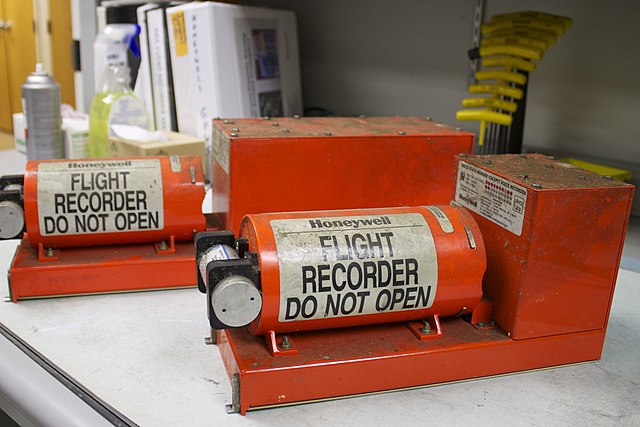
The “Black Box” Isn’t Black – Flight data recorders are actually bright orange to make them easier to find after crashes.
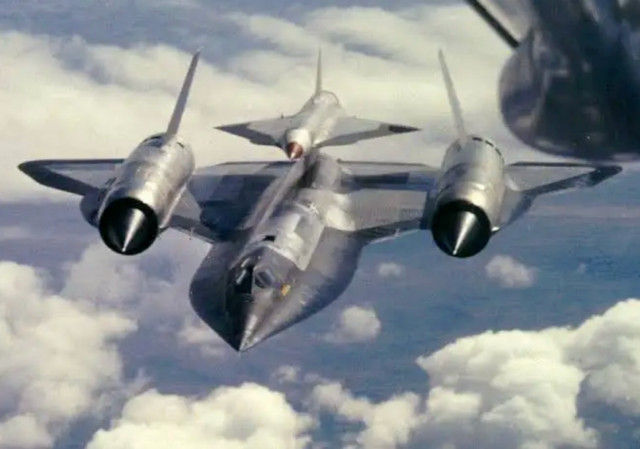
The Fastest Manned Aircraft Was the SR-71 Blackbird – It reached 2,193 mph (Mach 3.3), faster than a rifle bullet.
A Pilot Once Ejected Without a Parachute and Survived – Alan Magee fell 22,000 feet from a WWII bomber and survived by crashing through a glass roof.
The Longest Flight Without Refueling Lasted 64 Days – In 1958, two pilots refueled mid-air and stayed in flight for 64 days, 22 hours.
Smoking was banned on U.S. domestic flights in 1990 but not international flights until 2000.
Modern Aviation Facts
In an all-economy configuration, the Airbus A380 has a max capacity of 868 people.
Some modern aircraft are testing a special surface that mimics sharkskin, reducing fuel consumption.
Most of a commercial flight is controlled by autopilot, with pilots handling only takeoff and landing. Planes are usually guided into a landing with electronics, and have a feature called autoland which takes much of the workload off pilots.
Airplane tires are built to withstand 500 psi (35 bar) and can touch down at 170 mph (270 kph) without bursting.
Some aircraft can glide for over 100 miles (160 kilometers) if their engines fail.
Flight Paths Are Not Straight – Due to winds, weather, and air traffic, commercial flights often follow a curved path.
The odds of dying in a plane crash are 1 in 11 million, compared to 1 in 5,000 in a car.
Long-haul planes have secret beds for pilots and flight attendants.
A commercial plane is hit by lightning on average at least once a year but is built to endure it safely.
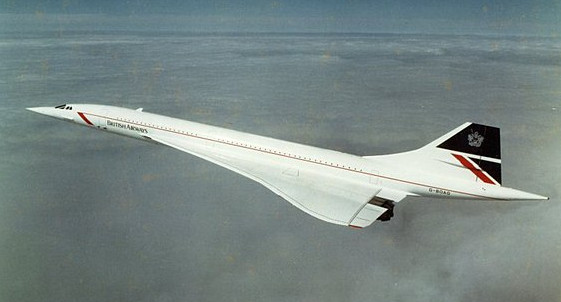
The Concorde flew at 60,000 feet (11 miles or 18 kilometers), almost twice the altitude of modern airliners.
Airplane Oxygen Masks Last Only About 12-15 Minutes – But that’s long enough for pilots to bring the plane to a breathable altitude around 10,000 feet (approximately 3 kilometers).
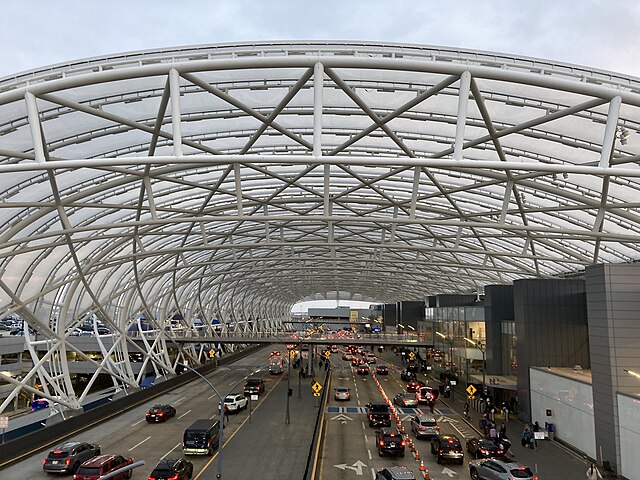
Hartsfield-Jackson Atlanta International Airport in Atlanta, Georgia, USA, handles over 100 million passengers a year.
Modern Jets Are More Fuel-Efficient Than Cars – A Boeing 787 burns about 0.02 gallons per passenger per mile, making it more efficient than a car with one passenger which ranges from from about 0.058 per mile for a typical pickup truck down to 0.022 per mile for a hybrid car.
Airplane Water Tanks Are Not Clean – Studies have found that airplane water tanks can have bacteria, which is why coffee and tea might taste bad.
Aviation Contributes About 2-3% of Global CO2 Emissions – While significant, it’s much less than the transportation sector overall.
Electric and Hydrogen-Powered Aircraft Are in Development – Several companies are testing electric and hydrogen-powered aircraft to reduce emissions.

