Posted on

Betty Dodson’s Kindness

Betty Dodson’s life and work can indeed be seen as profound acts of kindness—especially in how she empowered countless women with self-respect, autonomy, and pleasure. While her contributions weren’t framed as charitable “acts” in the traditional sense, they were transformative gifts to individuals and the broader feminist community. Here are a few standout examples:

Beginning in the 1970s, Betty Dodson created and led Bodysex workshops—safe, educational group sessions that encouraged women to explore their own bodies, orgasm, and self-pleasure without shame. She provided attendees with vibrators (specifically the Hitachi Magic Wand) to aid their learning. These workshops weren’t merely instructional—they promoted self-love, healing, and liberation from societal stigma. The results were substantial: in one 2007 study of 500 women experiencing anorgasmia, an impressive 93% achieved orgasm during therapy using her method.

Despite her fame, Dodson lived modestly in a rent-stabilized Manhattan apartment, intentionally choosing a frugal life so that she could direct her resources toward supporting workshops for low-income women. She also split her earnings evenly with collaborators, subverting capitalist norms and ensuring sustainable—and equitable—education.

Dodson co-founded the Betty A. Dodson Foundation (a 501(c)(3) nonprofit) to broaden access to comprehensive, inclusive sex education. The foundation develops and disseminates educational materials rooted in her methodology, trains educators, and supports curriculum innovation globally.

Beginning in 1999, Dodson embraced internet platforms to expand her teaching reach. She provided downloadable guides and engaged online communities, well before many educators recognized the internet’s potential for democratizing information. In 2006, together with Carlin Ross, she began certifying women to lead Bodysex workshops in multiple states and countries.

Dodson’s role extended beyond teaching. She was a mentor and “sexual mother” to many in the feminist and sex-education community. One educator wrote of a 25-year friendship where Dodson always called her “kid” and consistently offered support and wisdom, even attending her book release party while unwell just because it mattered. Dodson’s personal generosity and mentorship leave an indelible mark.

This is a showcase site for Jeff Napier of US-Web-Design. Surprisingly low-cost solutions for all your website and marketing needs. More...

Through her workshops, writings, and public persona, Dodson gave women permission to own their pleasure and bodies without shame. As one tribute put it: “She not only inspired thousands of women to connect to their bodies through self-pleasure … Her mantra, ‘better orgasms, better world,’” underscores how her educational kindness created ripple effects across generations.

While Betty Dodson might not be remembered for a single headline-grabbing charitable gesture, her lifelong advocacy—often deeply personal and quietly revolutionary—was a consistent act of kindness. She empowered women globally, dismantled stigma with laughter and candor, and offered mentorship that changed lives.

See also Betty Dodson, Interesting Facts.

Posted on

Steven Bartlett’s Acts of Kindness

Steven Bartlett is becoming very well known as a British-born self-made entrepreneur through his television appearances on “Dragon’s Den,” a TV series in which potential entrepreneurs seek funding. He is also a huge YouTube influencer through his channel Diary of a CEO. If he did nothing other than boosting public awareness of good patterns, ideas and behaviors through that channel, that would be excellent. But that’s not all he does.

Steven Bartlett’s philanthropic actions tend to focus on empowering others, whether through mentorship, providing resources, or championing causes that help communities heal and grow. If you’d like to dive deeper into any one of these stories—or explore how to get involved—just let me know!

In an episode of Dragons’ Den, Bartlett was moved by the story of Millie Flemington Claire, who suffers from cystinosis and had started a company called Human Beauty. Though he opted not to invest financially, he offered to bring her into his London office to personally teach her social media and marketing skills—an act of kindness focused on investing his time and expertise rather than capital.

Steven chose to donate all profits from The Diary of a CEO LIVE tour (spanning cities like Manchester, London, Newcastle, Dublin, and Birmingham) to charities and causes that typically lack visibility and funding. He stated the tour is something he does “for the love of it” and felt it would be more meaningful if its proceeds were directed toward impactful causes.

As an advocate for the Prince of Wales’s initiative Homewards, Bartlett accompanied Prince William on visits aimed at supporting youth homelessness prevention programs. Notably, in March 2025, they visited Aberdeen together to meet with young people and businesses involved in efforts to address homelessness.

Bartlett has also been linked with charitable causes including UNICEF, Tusk, and Soccer Aid, lending his influence and support to broader philanthropic efforts.

This is a showcase site for Jeff Napier of US-Web-Design. Surprisingly low-cost solutions for all your website and marketing needs. More...
Posted on Leave a comment

Travis Barker’s Unique Commitment

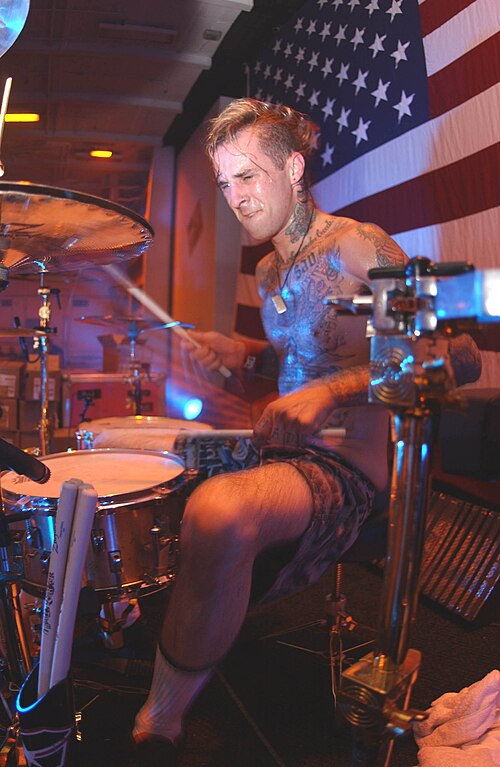
Early in his career, Travis Barker decided he wanted to be a drummer so badly that he was willing ta take a huge risk. He wanted to make sure he was unemployable so he couldn’t escape from his dream by taking an ordinary job. So, he got some tattoos on his face. Any prospective employer would look at him and say, “No way.”

Now, Travis had to be a drummer. He had quite purposely eliminated all other choices. For Travis it worked to such a degree that he is world-famous, and has branched out into multi-million dollar merchandising.

I’m not sure I recommend something so drastic for you. On the other hand, many people have fallen short of the life they really wanted because they took the easy way out.

Posted on

Michelle Obama

Michelle Obama, born Michelle LaVaughn Robinson on January 17, 1964, in Chicago, Illinois, is a lawyer, author, former First Lady of the United States, and a widely admired public figure known for her intelligence, charisma, and advocacy. While most recognize her as the wife of Barack Obama, the 44th President of the United States, Michelle has built a legacy that stands uniquely her own, one rooted in determination, service, and empowerment.

Early Life and Education

Michelle grew up in the South Side of Chicago in a working-class family. Her father, Fraser Robinson III, worked as a city water plant employee despite suffering from multiple sclerosis, and her mother, Marian Shields Robinson, was a homemaker who later worked as a secretary. Michelle has often spoken about the profound impact her parents had on her, especially their emphasis on education and character.

From a young age, Michelle was known for her academic prowess. She skipped the second grade and went on to attend Whitney M. Young Magnet High School, Chicago’s first magnet high school, where she commuted over an hour each way. She graduated as class salutatorian. Magnet high schools focus on specific areas of academia, such as performing arts, or engineering skills. In the case of Whitney W. Young, the focus is on college preparatory education.

Michelle then attended Princeton University, where she majored in sociology and minored in African-American studies. Her senior thesis, titled “Princeton-Educated Blacks and the Black Community”, examined the experiences of Black alumni. In a surprising twist for someone later thrust into global fame, she wrote candidly about feeling like an outsider at the predominantly white, elite university.

After Princeton, she earned her law degree from Harvard Law School, where she participated in demonstrations advocating for the hiring of more minority faculty. She later joined the prestigious Chicago law firm Sidley & Austin, where she met a young summer associate named Barack Obama.

Career and Public Service

Though Michelle began her career in corporate law, she soon realized her passion lay elsewhere. She transitioned into public service, working for Chicago’s city government, then as Executive Director for the Chicago chapter of Public Allies, a nonprofit encouraging young people to work in public service. Later, she worked at the University of Chicago and the University of Chicago Medical Center, where she created community outreach programs.

This is a showcase site for Jeff Napier of US-Web-Design. Surprisingly low-cost solutions for all your website and marketing needs. More...

Michelle Obama was not initially excited about her husband’s political ambitions. She famously made Barack write a detailed “pro/con” list before he ran for president. Still, she became one of his most persuasive and effective surrogates on the campaign trail.

First Lady of the United States

Michelle Obama became the first African-American First Lady when Barack Obama was elected president in 2008. Her tenure as First Lady from 2009 to 2017 was marked by a focus on several key initiatives:

Let’s Move!: A campaign to combat childhood obesity by promoting healthier eating and exercise.

Joining Forces: Supporting military service members, veterans, and their families.

Reach Higher: Encouraging young people, especially underrepresented groups, to pursue higher education.

Let Girls Learn: A global initiative promoting education for adolescent girls.

She was praised for her grace, accessibility, and down-to-earth manner. Her wardrobe choices were also widely followed, but she often used fashion to promote lesser-known American designers, particularly people of color.

Michelle Obama transformed the role of First Lady by leveraging her platform to become a cultural and political icon in her own right, without ever holding elected office.

Life After the White House

After leaving the White House in 2017, Michelle Obama continued to lead by example. Her 2018 memoir, Becoming, became an international bestseller and one of the best-selling books of all time. The book revealed intimate details about her upbringing, motherhood, and even her struggles with infertility and miscarriage, topics rarely discussed so candidly by public figures.

She launched the “Becoming” book tour with the scale and excitement of a rock concert, selling out arenas and captivating audiences with her message of perseverance and authenticity.

In 2020, she hosted “The Michelle Obama Podcast” and played a key role in launching When We All Vote, a non-partisan initiative to increase voter participation. She and Barack also founded Higher Ground Productions, a media company that produces content focused on uplifting and inclusive stories. Their first project, American Factory, won an Academy Award for Best Documentary Feature in 2020.

Personal Life

Michelle and Barack Obama were married in 1992 and have two daughters, Malia and Sasha. Despite her high-profile status, Michelle has been fiercely protective of her daughters’ privacy and well-being.

She’s known for her sense of humor and relatability. During her time in the White House, she danced on talk shows, hugged children at school visits, and planted vegetables in the White House Garden with kids. She was also unafraid to call out sexism, racism, and political hypocrisy, all while remaining deeply admired across political lines.

Surprising but True Facts

She hates politics. Despite her central role in two presidential campaigns and her political influence, Michelle has consistently said she has no desire to run for office, describing politics as “dirty” and “divisive.”

She’s a grammar nerd. Michelle has said that she is “obsessive” about correct grammar and spelling, and used to correct Barack’s speeches for punctuation.

She once got suspended in kindergarten. For… skipping class and going to the play area without permission!

She’s taller than Barack. In some heels, that is. Michelle is 5’11”, and Barack is 6’1”. It’s become a long-running joke between them.

She’s a fan of hip-hop and Beyoncé. Her workout playlist features tracks by Jay-Z, Lizzo, and Childish Gambino. She also danced on stage with Beyoncé during a “Let’s Move!” event.

Her first concert was The Jackson 5. Michelle was just a child when she saw the famous group perform at the Chicago Amphitheater.

She trained Barack to do chores. Early in their marriage, Michelle told Barack, “I am not raising a man,” and required him to do laundry and clean up after himself.

She struggles with imposter syndrome. Despite all her success, Michelle has spoken about feeling like she’s “not good enough” and still wrestles with doubt, something many people find surprising and relatable.

She’s a lefty. Like several other recent presidents, including her husband, Michelle writes with her left hand.

She officiated a wedding. In 2018, Michelle became a one-time wedding officiant for two close friends, surprising guests by walking in just before the ceremony.

Legacy

Michelle Obama’s story is one of authenticity and empowerment. Whether through her work on education, nutrition, or civic engagement, her impact transcends traditional roles. She has become a global symbol of strength, intelligence, and grace, an icon who makes bold honesty feel like an act of revolution.

Her ability to inspire through lived experience rather than lofty idealism makes her particularly powerful in today’s world. Whether mentoring girls, planting gardens, or speaking candidly about her struggles, Michelle Obama’s legacy is still unfolding, and continues to shape the cultural and moral consciousness of a generation.

See also Michelle Obama’s Acts of Kindness.

Posted on

Betty Dodson

Additional Adult Topics

Betty Dodson: Sex Educator, Pioneer, and Unapologetic Advocate for Pleasure

Betty Dodson was, in many ways, ahead of her time—a fierce and unapologetic champion for sexual liberation and women’s rights in the realm of pleasure. She was like the sex-positive, no-BS aunt who handed you the keys to the kingdom of self-love and then told you, “You’re welcome.” A modern-day sexual sage, Betty did more than just break taboos – she rewrote the book on what it means to be comfortable with your own body and to embrace the pursuit of pleasure, even in the face of cultural and societal judgment.

Born on August 24, 1929, in Wichita, Kansas, Betty’s journey into the world of sex education wasn’t exactly paved with roses. The world she grew up in was, to put it mildly, a bit tight-lipped about anything remotely related to sex. In fact, the entire concept of female sexual pleasure was tucked away like an embarrassing secret, something to be ignored or barely acknowledged. But Betty wasn’t having it. She had questions, big ones, and she wasn’t going to stop asking until she found the answers.

Dodson’s early life was shaped by a certain kind of curiosity about her own body, and that curiosity never went away. After earning a degree in fine arts, she ventured into the realm of teaching art and drawing, but the itch to discuss sex and its complexities never left her. In the 1960s, as America was in the midst of massive cultural upheaval (think: sexual revolution, civil rights movements, and Woodstock), Betty found herself increasingly drawn to the taboo topic of sexuality – specifically, women’s sexuality. She realized that, while the feminist movement was gaining momentum, women’s own sexual pleasure remained largely ignored.

In her early twenties, she worked as an advertising illustrator in Manhattan. She married an advertising directory, Federick Lief. They stayed married for only six years during which her sex life was fairly conventional. It was after their divore that Betty started expressing her true sexual self. For instance, she held a one-woman show of erotic art at the Wickersham Gallery in New York City.

Enter Betty’s first book, Sex for One: The Joy of Selfloving, published in 1974 was eventually translated into 25 languages. In a world where women were often still expected to suppress their desires, Betty boldly raised her hand and said, “Let’s talk about it.” In no uncertain terms, she made it clear that self-pleasure was not only normal, but also vital for a healthy, happy life. The book was revolutionary, not just because it spoke openly about masturbation (an act still surrounded by shame and silence at the time), but because it suggested that women should be in charge of their own sexual satisfaction. What a concept!

This is a showcase site for Jeff Napier of US-Web-Design. Surprisingly low-cost solutions for all your website and marketing needs. More...

But Betty’s real magic wasn’t just in what she wrote; it was in what she did. She didn’t just talk the talk, she walked the walk, and with her unique brand of no-nonsense, down-to-earth wisdom, she set out to help women everywhere feel comfortable with their bodies and their sexuality. One of her most famous methods was what she dubbed the “Body Mapping” technique – a self-exploration exercise designed to help individuals (especially women) map out their own bodies, focusing on discovering what felt good and where. Essentially, she gave women the permission to touch themselves without guilt or shame, something society had spent centuries trying to make them feel was wrong.

Betty held get-togethers in her own living room, and occasionally in larger public venues in which women, and sometimes men, would get naked together and explore masturbatory pleasure.

These get-togethers, which were first more like orgies, evolved. From Wikipedia:

“From the 1970s onwards, she organised Bodysex workshops. Bodysex is a practice developed by Betty Dodson to help women connect with their bodies and erogenous zones, heal shames, improve pleasure perception, and promote self-love. In the workshops, women were guided to explore their bodies and masturbate together to learn, with guidance, how to have an orgasm as a woman alone and with a sexual partner. Her two-hour sessions featured 15 naked women, each using a Hitachi Magic Wand to aid in masturbation. Dodson used the Magic Wand, a mains-powered [corded, plug into a wall outlet] vibrator, in demonstrations and instructional classes to instruct women regarding self-pleasure techniques. She provided a Magic Wand to each woman for these sessions. She recommended women put a small towel over their vulva in order to dull the sensation of the vibrator and prolong the pleasurable experience. The essence of her method was to provide vaginal and clitoral stimulation at the same time. Dodson taught thousands of women to achieve orgasm using this technique. Her technique became known as the Betty Dodson Method.”

Betty fully participated in these workshops well past her eightieth birthday.

But Betty didn’t just change things for women. Her work laid the groundwork for broader conversations about sexual pleasure in a world where discussions of sex often felt like something you had to sneak around to talk about. She broke down barriers in ways that many other sex educators could only dream of doing. Dodson wasn’t about shame or guilt; she was about pleasure and pride.

As the decades rolled on, Betty became known for her frankness and humor. She would talk openly about orgasms, masturbation, and the importance of being fully in tune with your sexual self, all while cracking jokes that made you feel like you were having a conversation with your best friend, not a distant, clinical figure. A lot of sex educators might come off as clinical or stiff, but not Betty. She was an art lover, an advocate, and most importantly, a person who got it. She was never shy to use humor to get her point across – whether it was making jokes about how “everybody’s got a clitoris” or admitting that sometimes, self-love is just about a little solo dance party in your bedroom.

Betty Dodson also became a pioneer in the fight for sexual freedom, particularly in helping people – especially women – embrace the idea that their bodies were their own. In a time when women were still fighting for control over their own reproductive rights and bodily autonomy, Betty was there, saying, “If you don’t own your body, who does?”

She became a fierce advocate for not just sexual pleasure but for sexual liberation in general. Her approach was straightforward: your body, your rules. If you want to learn how to give yourself an orgasm, she was there. If you needed advice on navigating relationships and intimacy, Betty was there. She didn’t just teach about the physical act of sex; she taught about body autonomy and mental freedom too.

Even in her later years, Betty continued to push the boundaries of what it meant to be a liberated sexual being. She became a public figure, speaking openly about her own experiences, including her own journey of discovering sexual fulfillment at an age when many people are worried about their retirement plans. She was in her 80s and still teaching, still advocating, still living unapologetically. You could almost hear the collective groan of societal norms quaking in fear as Betty continued to lay waste to outdated ideas.

What Betty Dodson left behind wasn’t just a library of books or a list of classes. She left behind a cultural shift, a generation (and more) of people who are now more comfortable with their bodies, more comfortable with their desires, and, most importantly, more comfortable with saying, “This is who I am, and I’m damn proud of it.” Through her work, she created an entirely new landscape of sex education – one that focuses on openness, honesty, humor, and self-respect.

By the time Betty Dodson passed away on November 25, 2020 at the age of 91, she had lived a life that was anything but conventional. She’d left behind a legacy of sexual empowerment, breaking down shame-filled walls brick by brick. Her work—and her wit—have inspired countless individuals to reclaim their own pleasure, free from guilt and societal expectations. In her own words, she put it best: “Pleasure is the ultimate act of resistance.” And Betty? She resisted. She resisted, and she taught the world how to do it joyfully.

The picture above is Betty when she was 81 years old. It seems sex is good for one’s health into old age!

Betty Dodson might be gone, but her influence lives on. For every woman (or man, or anyone in between) who feels liberated to express their sexual needs, desires, and identities, Betty’s legacy is still there, whispering, “You are your own authority on pleasure. Enjoy it.”

Betty’s work lives on under the management of her protogé Carlin Ross, through the website dodsonandross.com

See also Betty Dodson’s Kindness.

Posted on

Oprah

Early Life and Struggles

Her real name is Orpah. Named after a biblical figure, it was often mispronounced as “Oprah,” and the name stuck.

She was born in poverty in rural Mississippi in 1954, to a teenage single mother.

She wore potato sacks as dresses as a child because her family couldn’t afford proper clothing.

She learned to read at age 3 and was nicknamed “The Preacher” because of her dramatic readings in church.

She was sexually abused by multiple family members starting at age 9, a trauma she has publicly shared to inspire others.

She became pregnant at age 14, but the baby died shortly after birth.

This is a showcase site for Jeff Napier of US-Web-Design. Surprisingly low-cost solutions for all your website and marketing needs. More...

Education and Career Beginnings

She won a full scholarship to Tennessee State University, where she studied communications.

She became the youngest and first Black female news anchor at Nashville’s WLAC-TV at age 19.

She was demoted from news anchor because producers said she got “too emotionally involved” in her stories.

Breakthroughs and the Oprah Show

She turned a failing talk show into a sensation. Her show AM Chicago rocketed to #1 in a month after she took over.

She owned her own show. Unlike most TV hosts, she negotiated ownership of The Oprah Winfrey Show through her company, Harpo Productions.

Harpo is Oprah spelled backward.

She’s one of the first Black female billionaires and was the richest African-American of the 20th century.

Pop Culture and Influence

She was nominated for an Oscar for The Color Purple (1985), in her first acting role.

She has a Barbie doll made in her likeness.

Her endorsement of Barack Obama in 2008 is estimated to have given him over 1 million extra votes.

The Oprah Book Club turned unknown books into instant bestsellers. The Deep End of the Ocean sold over 1 million copies in days.

She once gave away 276 cars to her studio audience in one episode, “You get a car!” became iconic.

She was sued for defamation by Texas cattlemen in 1998 over her comments on beef safety. She won.

Philanthropy and Legacy

She opened a school for girls in South Africa in 2007, investing over $40 million of her own money.

She’s donated more than $400 million to educational causes, scholarships, and underserved communities.

She is the first Black woman to appear on the Forbes 400.

She helped bring Beloved to the big screen, a passion project based on Toni Morrison’s novel.

She has her own cable network, OWN (Oprah Winfrey Network), launched in 2011.

Surprising Personality and Quirks

She once spent $38,000 on a single bath tub, custom-designed to fit her body exactly.

She has a fear of chewing gum. A childhood trauma involving gum stuck to furniture led to a lifelong disgust.

She keeps journals and has written in them consistently since she was 15.

She doesn’t use her last name casually. Most people know her simply as “Oprah,” a global one-name brand.

She was almost cast as Mrs. Which in A Wrinkle in Time years earlier, but the movie was delayed until 2018—when she finally got the role.

See also: Oprah’s Acts of Kindness.

Posted on Leave a comment

The Harsh Reality

The harsh reality is that one out of every four women fail in business. If you think that’s bad: Four of every five men fail in business.

There are various ways to look at these statistics.

One could assume that if you try several businesses, one of them will work.

However, there are some people who are not cut out to work for themselves. Maybe you have too many family obligations. Maybe in your religion every day is a sabbath. Maybe you’re too addicted to television to accomplish anything besides your 40-hour-a-week job. That’s all OK. Hopefully you can be aware of the potential risks and benefits.

I had an unemployed friend. He used to be a ski mechanic at a big sports shop. He and I talked a bit. I ended up renting him some bench space in one of my retail stores. His rent was $80/week. He put a paper sign in the window, and sure enough he had some ski tune-up customers come in on the first day. He took the profit from the day and bought himself a nice pair of cowboy boots. At that moment, I knew he was doomed. During the rest of the week, he could have invested in some advertising, some more equipment or inventory, but he did not. He took friends to dinner, he lent some money to his girlfriend, he bought custom wheels for his car. At the end of the first week, he did not have his $80 bench rent. I gave him some leeway on the rent, but he knew himself well enough to realize it wouldn’t work out, so he declined my offer for the second week.

As your author, I don’t want to give you unrealistic expectations. So, please understand that you may read about a business you could start. Everything seems fine, but after a while you’ll discover it isn’t working. In my opinion, that’s fine. One has to experiment to break out of the trap. And if you do fail, just pick up and try something else.

This is a showcase site for Jeff Napier of US-Web-Design. Surprisingly low-cost solutions for all your website and marketing needs. More...

Now here’s the good advice: Don’t put your whole life’s savings into a business. Don’t quit your job until you have something that’s assured up and running well. Most of the businesses discussed here can be started with little money, and in your spare time. Even if your business is wildly successful right out of the box – which does happen sometimes, you can always expand it slowly and carefully.

I knew a guy who owned a small camera store. He had one Hasselblad, a very expensive camera, in stock. It sold. He bought five more, not realizing that the sale was a fluke. It took him over a year to recover his investment in the five Hasselblads. He almost lost everything.

Be prepared for failure, a natural component of eventual success. Expand slowly and carefully!

A guy named Louie, who’s big ambition in life was to become a millionaire. got this idea to hire handicapped people to assemble a product he invented. It was a very nice arrangement, but when he used up his supplier’s inventory of parts, he went bankrupt. He then started a commission business selling sports equipment. He spent a lot on advertising, but the business just sat there making no money. He went bankrupt again. He came across a restaurant that was going out of business. He bought all their equipment, and sold it at a profit. That became the idea behind his third business: Buying and selling restaurant equipment. Now, Louie is a multi-millionaire.

I counseled a fellow who was similar to Louie in that his goal in life was to become a millionaire. I asked him why. He said it was because he wanted a big house. I asked him why he wanted a big house. He said ‘because then, I can have a cat.’

“So what you really want is a cat,” I responded.

He thought for a moment, then he said, “Yes, that would make me very happy.”

I asked, “What stops you from having a cat?”

“My landlord,” was his answer.

Then, thinking it over, he suddenly smiled became quite animated. “Hey, I don’t need to go through all that. All I have to do is find another apartment where cats are allowed!”

He did just that. Two months later, he had his cat and was very happy. He was then able to focus on a business idea that would be fun, but not necessarily a fast track to a million dollars. A few years went by. He is now a millionaire, and he still has his cat – and a wife, and two children and a big house.

Posted on Leave a comment

Retirement

Retirement Around the World

Retirement is a Modern Concept – The idea of retiring from work didn’t exist for most of human history. It became mainstream only in the 20th century.

Germany Invented Retirement Benefits – The first national retirement program was created in Germany in 1889 under Chancellor Otto von Bismarck.

Japan Has the Oldest Workforce – Many Japanese people continue working well into their 70s and 80s, often by choice.

Retirement Age Varies Widely – In some countries like France, the retirement age is as low as 62, while in others like Norway, it can be 67 or higher.

Some Cultures Don’t Believe in Retirement – In places like Okinawa, Japan, there’s no word for “retirement”—people continue contributing to society regardless of age.

This is a showcase site for Jeff Napier of US-Web-Design. Surprisingly low-cost solutions for all your website and marketing needs. More...

💰 Money Matters

Many Americans Have Little Saved – Over 25% of U.S. adults 60+ have no retirement savings at all.

You May Need $1 Million+ to Retire Comfortably – That’s the general benchmark financial experts recommend for most Americans.

Social Security Was Never Meant to Be Your Only Income – It was designed as a safety net, not a primary retirement fund.

Retirement Planning Often Starts Too Late – The average American starts saving for retirement in their mid-50s, decades later than ideal.

401(k)s Were an Accident – The now-popular retirement account was originally a tax loophole discovered in the late 1970s.

🧠 Psychology & Lifestyle

Retirement Can Be Emotionally Difficult – Many people experience identity loss, loneliness, or depression after retiring.

Divorce Rates Spike After Retirement – Known as “gray divorce,” splits among couples over 50 have doubled since the 1990s.

People Often Return to Work – About 1 in 3 retirees “unretire” because they miss purpose, need money, or get bored.

Happiness Peaks After Retirement—Then Dips – Research shows a “honeymoon phase” followed by a post-retirement slump unless people stay engaged.

Volunteering Helps Prevent Cognitive Decline – Retirees who volunteer regularly have better memory and brain function.

🩺 Health & Longevity

Retirement Can Be Good for Your Health—Or Bad – It depends on how it’s spent: physical activity and social life are key to healthy aging.

Early Retirement Linked to Early Death? – Some studies suggest retiring early, especially for health reasons, may lead to higher mortality rates.

Working Longer May Keep You Sharper – People who stay mentally active and socially connected into older age are less likely to develop dementia.

Exercise Is More Important Than Ever – Just 20 minutes of daily walking in retirement drastically improves life expectancy.

Men and Women Retire Differently – Women often retire with less savings and live longer, which can widen the financial gap.

🏖️ Lifestyle & Trends

RV Retirement is a Growing Trend – Thousands of retirees now live full-time in recreational vehicles, traveling from place to place. However, recent decline in new RV construction quality plus over-crowding and rising costs in RV parks and municipal restrictions on RVs have made full-time RVing more difficult.

Retirement Communities Are Like Small Cities – Places like The Villages in Florida have populations over 100,000 and their own town centers.

Some Retire Abroad – Countries like Mexico, Portugal, and Costa Rica are retirement hotspots due to lower costs and better weather.

Tiny Homes Are Popular With Retirees – Downsizing into a minimalist lifestyle is becoming more common post-retirement.

Retirement Can Be a Creative Boom – Many retirees become artists, writers, or musicians later in life—with no pressure to succeed financially.

🧩 Weird & Wonderful

Monks Were Among the First “Retirees” – In the Middle Ages, some monastic orders allowed older monks to step back from duties for reflection.

Retirees Are the Fastest-Growing Group on TikTok – Many seniors are becoming viral sensations by sharing wisdom – or dancing.

Retirement Can Boost Relationships… or End Them – Couples report both increased satisfaction and increased conflict once they’re home together 24/7.

The Average Retiree Watches 4–6 Hours of TV Daily – Often more than before retirement, especially without structured plans.

There Are Retirement Communities Just for Nerds – Yes, there are communities for Star Trek fans, artists, or book lovers to retire together.

Posted on Leave a comment

Learn Digital Marketing

I’ve had a hundred clients tell me that they were ripped off when they tried to get digital marketing. I’m thinking if I teach you how to do it, you can become a professional and do it right. It’s not rocket science. In fact, it’s rather enjoyable. Anyone who can work a computer can learn digital marketing.

I had a client who told me she had been paying over $2,000 per month for over two years for ‘SEO maintenance.’ I asked how well that was working. She told me that as far as she could tell, she had not received even a single client from all that expense.

It’s typical for a marketer to charge a large deposit, do something that looks like a little bit of work, then disappear. The clients call and email repeatedly, but never get responses.

Others, after clients complain that they aren’t getting results, say, “Well, you have to be patient and spend more money.”

They’re not all thieves. Some just honestly don’t know what they are doing.

I’d like for you to know what I’ve learned about marketing properly, how to handle things that can come up, how to win clients through your own marketing efforts, and how to maximize profit. Included in that is how to be honest with clients.

This is a showcase site for Jeff Napier of US-Web-Design. Surprisingly low-cost solutions for all your website and marketing needs. More...

I tell everyone that it’s all ‘research and development.’ Some products or services just won’t sell very well no matter what you do. I tell people that it’s an experiment but an experiment that should be tried. Sometimes it works remarkably well. I keep the initial cost low, making small, low-cost test posts, until we find what works. Then, we blow the doors off! Or, I let the clients drop out if it didn’t work after a reasonable effort. I don’t hold people to long-term contracts. You can do it any way you want, but that’s what I recommended.

How well can this stuff work? I had one client with a website that went from under 100 visitors per month to over 14,000 per day. Another got 385,000 targeted hits in the first six months. Yet another is getting up to 4,100 per day and growing. By the way, none of these spent a penny on advertising. It was all done with organic social media marketing.

I can tell you the basics in what’s typically a 40-minute phone call ($80). Even if you never use it for anyone else, you’ll be equipped to handle your own marketing needs. You can start taking clients and getting paid right after that first call. The way to do that is to tell them that you are just learning the business, and offer highly discounted rates if they are willing to ride along with you. How many friends or acquaintances do you have with website that are just sitting there? Until you come along, they may be getting three visitors a month, one of which is the website owner’s mother.

For those who are interested, I also offer additional calls, zoom sessions and emails to provide as much more detail as you’d like, or to help you with your first marketing campaigns. I can also provide ongoing coaching, to impart even more details, to help you stay enthusiastic and focused, and hopefully succeed beyond your wildest dreams. In addition to website marketing since 1995, I used to work as a business coach, so as luck would have it, I’m just the guy you want.

You can work from home, on your schedule, dressed in nothing but a bathrobe if you wish. You can end up making more money than you ever could in an ordinary job.

For those who are interested, I can also teach website construction and repair. You get to express your creativity, even if you are not a ‘creative’ person and bask in the joy of knowing you’ve created great websites for your clients.

It all starts with a phone call! You’ll enjoy my friendly, informative style.
– Jeff Napier
(805) 843-5353

Posted on Leave a comment

Learn Website Construction, SEO or Marketing as Your Own Home Business

I’ve been building and marketing websites since 1995. Now it’s your turn!

I’m offering a free, no-strings initial 10-minute consultation in case you’d like to learn exactly how to be your own boss in this field.

Here are the advantages:

1. It’s easy to learn.

2. You can do it entirely from your home, on your schedule with no dress code. You can work in a bathrobe if you wish.

3. Nothing other than a phone and computer is required.

This is a showcase site for Jeff Napier of US-Web-Design. Surprisingly low-cost solutions for all your website and marketing needs. More...

4. There is a way to start making money within your first week, even as a beginner.

5. This line of work allows you to express your creativity, yet you don’t have to be a ‘creative’ person.

6. It will be years before AI can do this all for you, but you can incorporate AI to help you do better work more quickly and easily.

7. It can pay way better than most jobs.

8. You can work as much or as little as you like.

9. It’s fun!

The way it works is this: You can call me anytime. If you’d like to go beyond the initial 10-minute consultation, I charge $2/minute.

If you’re an absolute beginner, we’ll start there. Otherwise, I meet you at your current level of knowledge. Most of this can be done with ordinary phone or email conversations. We can also use Zoom screen sharing sessions when/if needed. I guide you not only in the technical details, but the business itself, letting you know the best ways to get clients, how to estimate and charge money, how to handle unusual client situations and how to expand small jobs into high-paying big jobs.

Typical sessions run 40 minutes. I can tell you a magical and totally legitimate way to get your first clients within a week, even if you haven’t learned all the details yet. After you’ve established your business, you may have occasional questions. You can contact me any time. Typical follow-up are 9 minutes ($18).

For those who would like, I offer ongoing coaching. I also worked as a business coach between 1999 and 2003, so as luck would have it, I’m just the guy for you! Your profit will most likely be way more than the cost!

My best client so far learned the business of website design from me about two years ago. He had never built a website. Now he has three full-time employees building websites under him.

So call, text or write, and let’s positively change your life! You’ll enjoy my friendly, informative style! The first 10 minutes are totally free, no strings attached.

Learn website construction and marketing from Jeff Napier
Jeff Napier

– Jeff Napier
(805) 843-5353
jeff@500ways.com

Note: I may discontinue the 10-minute free consultations, and you may have to join a waiting list if I get too many clients. As of this writing, there’s still room.

Posted on Leave a comment

Gumption

Here are some interesting quotes on gumption:

Gumption & Courage

“Gumption is the power of doing what needs to be done, with or without permission.” — Unknown

“Success seems to be largely a matter of hanging on after others have let go.” — William Feather

“Courage is not the absence of fear, but the triumph over it.” — Nelson Mandela

“Grit is having the courage to push through, no matter what the obstacles are, because it’s worth it.” — Chris Morris

This is a showcase site for Jeff Napier of US-Web-Design. Surprisingly low-cost solutions for all your website and marketing needs. More...

“The only limit to our realization of tomorrow is our doubts of today.” — Franklin D. Roosevelt

Gumption & Resilience

“Fall seven times, stand up eight.” — Japanese Proverb

“Perseverance is not a long race; it is many short races one after the other.” — Walter Elliot

“It’s hard to beat a person who never gives up.” — Babe Ruth

“Gumption is the inner drive to turn obstacles into opportunities.” — Unknown

“You may have to fight a battle more than once to win it.” — Margaret Thatcher

Gumption & Determination

“The difference between a successful person and others is not a lack of strength, but a lack of will.” — Vince Lombardi

“The only way to do great work is to love what you do.” — Steve Jobs

“Success is not final, failure is not fatal: It is the courage to continue that counts.” — Winston Churchill

“Fortune favors the bold.” — Virgil

“Gumption is the muscle that turns ideas into action.” — Unknown

Gumption & Ambition

“Dream big, work hard, stay focused, and surround yourself with good people.” — Unknown

“Energy and persistence conquer all things.” — Benjamin Franklin

“Success is walking from failure to failure with no loss of enthusiasm.” — Winston Churchill

“What you get by achieving your goals is not as important as what you become by achieving your goals.” — Zig Ziglar

“Big shots are only little shots who keep shooting.” — Christopher Morley

Gumption & Hard Work

“Hard work beats talent when talent doesn’t work hard.” — Tim Notke

“Don’t watch the clock; do what it does. Keep going.” — Sam Levenson

“The harder you work for something, the greater you’ll feel when you achieve it.” — Unknown

“Success usually comes to those who are too busy to be looking for it.” — Henry David Thoreau

“Be fearless in the pursuit of what sets your soul on fire.” — Jennifer Lee

Gumption & Self-Belief

“Believe you can, and you’re halfway there.” — Theodore Roosevelt

“Whether you think you can or you think you can’t, you’re right.” — Henry Ford

“The man on top of the mountain didn’t fall there.” — Vince Lombardi

“Doubt kills more dreams than failure ever will.” — Suzy Kassem

“Your dreams don’t work unless you do.” — John C. Maxwell

Posted on Leave a comment

Make Money with Creative Listening

Might Creative Listening Be Your New Profession?

Make Money with Creative Listening?

Here’s a profession that pays well, does not require extensive training or certification, requires no equipment, costs no money to start, and is extremely helpful for many people, which can be interesting and gratifying.

You may have trouble believing this is possible. You’ll just have to give it a try and find out for yourself.

A creative listener asks carefully designed questions to help people think about things in new ways. The results can be fantastic, resulting in inventive solutions to problems, overcoming frustration, worry and mild depression, making solid decisions, or for learning new ways to relate with friends, family, and co-workers.

A creative listener does not have to be an expert in anything except asking questions. You can use creative listening not only in general ways, but can also help those who are in very specialized fields.

This is a showcase site for Jeff Napier of US-Web-Design. Surprisingly low-cost solutions for all your website and marketing needs. More...

The creative listener does not tell people what to do. The purpose is to help them sort things, make sure nothing is overlooked, take mental leaps, help see and really feel the lighter side when necessary, and come away with a new perspective and hopefully with a renewed sense of purpose.

I am planning to write an ebook with all the details on the many ways to make money with creative listening. In the meantime, please feel free to call me so you can sample a creative listening session for yourself. If you’d like, I’ll be glad to put on my coaching hat and guide you through becoming successful as a creative listener.


Jeff Napier, Creative Listener
805-843-5353
jeff@500ways.com


Benefit from a session with a creative listener. Whether you have relationship or business issues, or just want to improve your situation, you can expect remarkable change! Experience creative listening for yourself.

Get a Session

Take 15 minutes to learn the basics and start helping your friends, family, neighbors or coworkers right away. This is entirely free.

Learn The Basics

Posted on Leave a comment

Creative Listening – The Basics


A creative listener asks carefully designed questions to help people think about things in new ways. The results can be fantastic, resulting in inventive solutions to problems, overcoming frustration, worry and mild depression, make solid decisions, or for learning new ways to relate with friends, family, and co-workers.

A creative listener does not have to be an expert in anything except asking questions. You can use creative listening not only in general ways, but can also help those who are in very specialized fields. You can use CL with a neighbor in your local coffee shop, in a professional session, or anything in-between. You can use it with friends, family, neighbors, clients, customers, associates – anyone young or old.

The creative listener does not tell people what to do. The purpose is to help them sort things, make sure nothing is overlooked, take mental leaps, help see and really feel the lighter side when necessary, and come away with a new perspective and hopefully with a renewed sense of purpose.

Creative listening is essentially a tiny subset of NLP. The basics are free and unrestricted, take about 15 minutes to learn, and are super-effective in so many ways:

* Helps others understand things they’ve been thinking about in entirely new ways, often resulting in perceptions shifted, problems solved, attitudes adjusted, and progress made.

This is a showcase site for Jeff Napier of US-Web-Design. Surprisingly low-cost solutions for all your website and marketing needs. More...

* Understand things you’ve been thinking about in entirely new ways.

* Quickly establish rapport with clients, customers, teenagers, parents, etc.

* Express criticism in a constructive way without offending, and elicit changed behaviors.

* Help people feel better about themselves and their lives.

In just a few minutes, you can learn enough to communicate more effectively with family, friends, and yourself.

Easy Steps to Creative Listening

Step 1

Respectfully challenge ambiguities.

You’d be amazed at what people leave out of conversations. Interestingly, many of these details have never really been analyzed by the speaker. So, when you ask for more detail, very interesting new thoughts can develop.

For instance:

If the person you’re listening to says, “Everyone says.” – You might ask: “Who specifically says that?

It can’t be done. – What exactly prevents it from being done?

She hates me. – In what specific way does she let you know that she hates you?

The relationship is in trouble. – How is it in trouble?

The situation is hopeless. – What is the situation, exactly? Or, What lets you know it’s hopeless?

You might think this rude or offensive, but in most cases, when you respectfully ask for more detail, the speaker is honored – knowing that someone truly wants to know what they are thinking.

Step 2

Ask questions that cause people to think about things in new ways. For example:

What would you like? This is a good place to start in many cases. Variations can include: What’s on your mind? What do you want? What’s up?

What would having that do for you? This will often cause the speaker to zoom out and see the bigger picture – often for the first time.

And what would having that do for you? Sometimes the degree of zoom isn’t enough – even when you think it is. You’d be surprised what comes up when you zoom out twice.

How will you know when you have it? A surprising way to zoom in for a closer look.

When you have it, what will you lose that you value? This will typically bring the speaker to a dead stop for a minute, and can bring up all sorts of useful objections. Knowing those objections will reveal reasons for procrastination, hesitation, and de-focusing activities.

What’s the opposite of that? Another viewpoint that many people have never considered in ideas they may have thought about often. This can get them out of a loop.

How will your friends, family, significant other react when you have it? Another way to find hidden blocks.

What stops you? This can bring a new perspective.

If your _____ was a bathtub to fill with something, what would you put in it? This is just an example, you could use all sorts of similar questions here – ones that the listener doesn’t expect, which will jump them off their typical track – often with spectacular results. It can often help them to do something more useful or more productive.

Now that we’ve discussed it a bit, what would you like? Don’t be surprised if the answer is quite different from the original answer the first time you asked this question.

What good things come to someone who _____? Generally, this is a twist that opens new channels of consideration. The blank is often filled with what the person is doing now. For instance: What good things come to someone who does not start a camera store?

What would someone have to believe _____? Much like the question above, you can twist it backward, and be ready to hear some very interesting results.

What’s the first step to getting _____? This is a good way to zoom in, and see the first and most immediate objection.

What should I write here in my notes? This often elicits a more honest self-appraisal.

In asking all these questions, leave plenty of time for answers. Although at first awkward, you can wait even 15 seconds without saying another word. The person with whom you are speaking will feel the need to fill the silence, and may come up with something very interesting indeed, if given sufficient silent time.

You can ask these, and other questions, in any sequence that seems right. Indulge your curiosity. Don’t be afraid of questions that seem too personal or prying. If you ask these well, and follow the steps below, not only will you get the answers you seek, but the person with whom you are speaking will feel quite honored that you care enough to ask such deep things.

If the conversation veers off-track, you can steer it back by saying something like, “Thank you,” or “Yes, I can see how that would happen,” but then ask for specific information that’s back on track. For instance, if the person starts talking about exactly how he built a bookshelf, you might say, “I see you really enjoyed that project. So, what would you…?”

You can guide the conversation to what’s called a ‘well-formed outcome.’ Ultimately, you’d like the person you’re conversing with to state a desire in the positive, have it be something s/he can initiate and maintain, and have a manageable feasibility.

Step 3

It has been said that 93 percent of communication is non-verbal. You have experienced that. For instance, someone may say that their neighbor is ‘alright,’ but as they say it, you see their shoulders rise up, their facial features tighten, their respiration becomes shallow or their voice becomes higher. In this situation, do you learn more from their words (‘alright’), or from their physiology? You can do a lot with this 93 percent.

You can build tremendous unconscious rapport by mirroring posture, gestures and audio tonality. If you wait approximately seven seconds and then position yourself the same way, if you moderate your speed, volume and pitch to sound somewhat similar, if you play back gestures, your listener will become more trusting, more willing to share deeper thoughts and emotions, and more willing to listen carefully to what you have to say. Don’t take my word for it – try it out. Surprisingly, you won’t be ‘busted’ unless you do it very blatantly. In most cases, you can mirror people very completely, and they never suspect a thing.

Backtracking is a valuable technique. This means that you repeat certain key phrases back to the person you are conversing with, generally several seconds or even minutes later. For instance, if your user states that something good is ‘tubular,’ and if you use that same word in a similar context, this will raise their comfort level – they’ll feel honored and heard. Backtracking is actually the opposite of a technique known as ‘active listening’ in which you rephrase what you’ve heard to prove that you understood it. Backtracking has the rather surprising effect of causing the listener believe that you really understood what was said.

Noticing physiology can let you know when it is time to shift gears. You can read when you’ve lost someone’s attention, when you have asked for too much detail, gone into an area that brings sadness, and so on. With practice, you can read where to focus more attention. For instance, as the conversation shifts to parents, you may see physiology changes that indicate something more needs to be discussed about a mother or father.

Step 4

Remember what you are trying to accomplish. Quite often, your story, your attitude, your concerns creep into the conversation. In many cases, that’s counter-productive. The moment you start coaching or telling your story, your effectiveness as a creative listener weakens.

Depending on what you wish to accomplish, you may not have to tell the person you’re talking with anything specific. Simply giving them the opportunity to talk freely can help them feel better, see things in new ways, and arrive at a more satisfactory conclusion, especially if you use steps 1 and 2.


Benefit from a session with a creative listener. Whether you have relationship or business issues, or just want to improve your situation, you can expect remarkable change!

Get a Session

Learn to become a professional creative listener. This requires almost no training, no money, and can be started right away. Helping people in this way is interesting and gratifying. Can you imagine anything better?

Become a Professional

Posted on Leave a comment

Creative Listener


Jeff Napier, Creative Listener
805-843-5353
jeff@500ways.com

As a creative listener, I ask just the right questions to help you understand things in new ways, come up with your own inventive solutions, or feel better about yourself and your situation. This is done by phone or email. I charge $3/minute. The average call runs 9 minutes ($27). The results can be worth $thousands!

You may come up with inventive ways to fix problems, overcome frustration, worry and mild depression, make solid decisions, or discover new ways to interact with friends, family, and co-workers.

I do not tell you what to do. The purpose is to help you sort things, make sure nothing is overlooked, take mental leaps, come up with entirely new ideas, help you see and really feel the lighter side when necessary, and come away with a new perspective and hopefully with a renewed sense of purpose.

Does it work for everyone every time? No, but since it usually works and is the best approach to so many things, it’s well worth spending a few minutes, don’t you think?

This is a showcase site for Jeff Napier of US-Web-Design. Surprisingly low-cost solutions for all your website and marketing needs. More...

You can phone me any time at 805-843-5353. If I’m not immediately available, I’ll get back to you as soon as I can. You’ll enjoy my friendly style.

What if you don’t like talking on the phone? No problem, email works well also: (jeff@500ways.com).


Take 15 minutes to learn the basics and start helping your friends, family, neighbors or coworkers right away. This is entirely free.

Learn The Basics

Learn to become a professional Creative Listener. This requires almost no training, no money, and can be started right away. Helping people in this way is interesting and gratifying. Can you imagine anything better?

Become a Professional
Posted on Leave a comment

Stories about Acts of Kindness


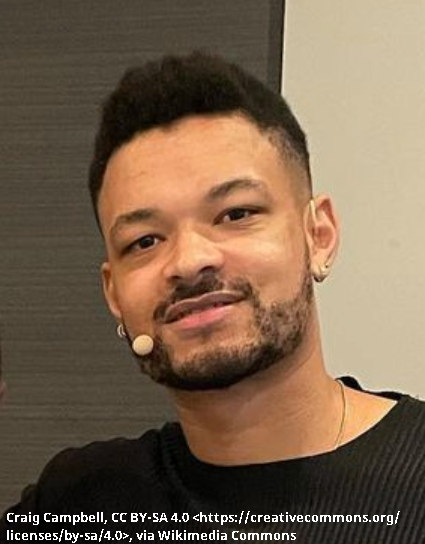
CBS reporter Steve Hartman looks for and finds inspiring stories all over the United States.

Steve Hartman is one of television journalism’s great storytellers, famous for finding extraordinary tales hiding inside ordinary lives. His segments often feel like tiny documentaries about kindness, coincidence, and human quirks. Here are some interesting facts about him:

1. He’s been with CBS News for nearly three decades

Hartman joined CBS News in 1996 and has spent much of his career producing human-interest stories that air on programs like CBS Evening News and CBS News Sunday Morning.

2. His “On the Road” segment revived a legendary series

His famous feature “On the Road” was inspired by the classic storytelling segments originally done by Charles Kuralt decades earlier. Hartman revived the tradition of traveling around the country to find remarkable everyday people.

This is a showcase site for Jeff Napier of US-Web-Design. Surprisingly low-cost solutions for all your website and marketing needs. More...

3. He once chose stories by throwing a dart at a map

In an earlier CBS series called “Everybody Has a Story,” Hartman would literally throw a dart at a map of the United States and travel to wherever it landed to find someone interesting to interview.

4. He has traveled enormous distances for stories

For that series alone, he logged over 100,000 miles and about 150 flights, chasing stories in dozens of states.

5. His work has won major journalism awards

Hartman has earned multiple Emmy Awards, an Alfred I. DuPont–Columbia Award, and many Edward R. Murrow Awards, including a record number for writing.

6. His children sometimes appear in his segments

During the pandemic he created “Kindness 101,” short lessons about character and empathy that he hosts with help from his kids, especially his daughter Meryl.

7. He helped create a nationwide Memorial Day tradition

In 2020 Hartman co-founded “Taps Across America,” encouraging musicians to step outside at 3:00 p.m. on Memorial Day and play the bugle call “Taps.” Thousands now participate each year.

8. One of his children has autism

Hartman has spoken publicly about raising a child with autism and how it has influenced the way he tells stories about empathy and understanding.

9. He started small in local TV

Before national fame, he worked at local stations in Minnesota, New York, and Los Angeles, beginning as a news intern and general assignment reporter in Toledo.

10. His stories are used in classrooms

Teachers across the United States often use his segments to teach character, empathy, and storytelling, turning news clips into mini life lessons.

📺 His storytelling style is a bit like wandering through America with a lantern. Instead of chasing scandals or disasters, he points the light at surprising kindness, quiet heroism, and the occasional wonderfully odd human being.

Posted on Leave a comment

Louisiana Boy Receives Surprising Reward


Steve Hartman, of CBS News, looks for and finds greatly uplifting true stories. The boy featured in this short video is greatly rewarded for his act of kindness.

Steve Hartman is one of television journalism’s great storytellers, famous for finding extraordinary tales hiding inside ordinary lives. His segments often feel like tiny documentaries about kindness, coincidence, and human quirks. Here are some interesting facts about him:

1. He’s been with CBS News for nearly three decades

Hartman joined CBS News in 1996 and has spent much of his career producing human-interest stories that air on programs like CBS Evening News and CBS News Sunday Morning.

2. His “On the Road” segment revived a legendary series

His famous feature “On the Road” was inspired by the classic storytelling segments originally done by Charles Kuralt decades earlier. Hartman revived the tradition of traveling around the country to find remarkable everyday people.

This is a showcase site for Jeff Napier of US-Web-Design. Surprisingly low-cost solutions for all your website and marketing needs. More...

3. He once chose stories by throwing a dart at a map

In an earlier CBS series called “Everybody Has a Story,” Hartman would literally throw a dart at a map of the United States and travel to wherever it landed to find someone interesting to interview.

4. He has traveled enormous distances for stories

For that series alone, he logged over 100,000 miles and about 150 flights, chasing stories in dozens of states.

5. His work has won major journalism awards

Hartman has earned multiple Emmy Awards, an Alfred I. DuPont–Columbia Award, and many Edward R. Murrow Awards, including a record number for writing.

6. His children sometimes appear in his segments

During the pandemic he created “Kindness 101,” short lessons about character and empathy that he hosts with help from his kids, especially his daughter Meryl.

7. He helped create a nationwide Memorial Day tradition

In 2020 Hartman co-founded “Taps Across America,” encouraging musicians to step outside at 3:00 p.m. on Memorial Day and play the bugle call “Taps.” Thousands now participate each year.

8. One of his children has autism

Hartman has spoken publicly about raising a child with autism and how it has influenced the way he tells stories about empathy and understanding.

9. He started small in local TV

Before national fame, he worked at local stations in Minnesota, New York, and Los Angeles, beginning as a news intern and general assignment reporter in Toledo.

10. His stories are used in classrooms

Teachers across the United States often use his segments to teach character, empathy, and storytelling, turning news clips into mini life lessons.

📺 His storytelling style is a bit like wandering through America with a lantern. Instead of chasing scandals or disasters, he points the light at surprising kindness, quiet heroism, and the occasional wonderfully odd human being.

Posted on Leave a comment

The World’s Best Teacher

This teacher is Ron Clark. He was born in 1972 in Chocowinity, North Carolina where he was asked to fill in for an elementary school teacher who had passed away. Becoming an educator was not his original plan. Once he got a taste of changing kids’ lives, he decided that teaching in Harlem, New York might be a great challenge where his burgeoning skill might be more useful. He has since moved on to start his own academy in Atlanta, Georgia where he teachers children, but also teaches teachers on better techniques of educating. He has trained 108,000 teachers as of today (February 10, 2024). He has also become a television personality and has authored four books, at least one of which has reached the New York Times Bestseller list.

Posted on Leave a comment

10 Strange Facts About Psychology

See Also: Ten Psychologist Jokes

The color red can increase a person’s appetite.

People who daydream more tend to have higher intelligence.

The average person has about 70,000 thoughts per day.

Music has been shown to reduce pain and anxiety, and improve mood.

People with higher levels of education are more likely to experience sleep paralysis.

The scent of lavender has been found to reduce stress and improve sleep quality.

This is a showcase site for Jeff Napier of US-Web-Design. Surprisingly low-cost solutions for all your website and marketing needs. More...

Multitasking can reduce productivity by up to 40%.

The “bystander effect” refers to the tendency for individuals to be less likely to help someone in need when other people are present.

People who swear more tend to be more honest.

The brain’s hippocampus, responsible for memory, is larger in London taxi drivers due to their extensive knowledge of the city’s streets.

Smiling, even if forced, can actually improve your mood.

People are more likely to remember negative memories over positive ones, due to the brain’s negativity bias.

In order to help us successfully navigate life, the negativity bias keeps us aware of things that we may need to change or avoid. Positive events are unimportant in survival.

The “placebo effect” refers to the phenomenon where a person experiences a perceived improvement in symptoms after receiving a treatment with no therapeutic value.

Playing video games can improve hand-eye coordination and problem-solving skills.

The fear of public speaking, known as glossophobia, affects about 75% of people.

Humans are hardwired to remember faces more easily than names.

People who sleep on their left side have more vivid dreams.

A study found that people are more likely to take risks in a casino if they have to walk past a person smoking, due to the association of smoking with risk-taking behavior.

The brain releases dopamine, the “feel-good” chemical, when we receive social media notifications.

The “butterfly effect” suggests that small, seemingly insignificant events can have far-reaching consequences.

Listening to sad music can actually improve your mood by allowing you to process and regulate emotions.

People tend to overestimate their abilities in unfamiliar areas, a phenomenon known as the Dunning-Kruger effect.

Nostalgia can counteract feelings of loneliness, boredom, and anxiety.

People are more likely to comply with a request if it is made in a quieter voice.

The smell of chocolate can increase theta brain waves, which are associated with relaxation.

People are more likely to remember information that is presented in a visually appealing format.

The “mere exposure effect” suggests that the more we are exposed to something, the more we tend to like it.

A study found that the anticipation of a vacation can bring more happiness than the vacation itself.

The brain can rewire itself through neuroplasticity, allowing for learning and adaptation throughout life.