Posted on Leave a comment

10 Strange Facts About Music

Music can significantly reduce pain and anxiety, leading to its use in various therapeutic settings.

The world’s longest concert lasted for 639 years. It began in 1349 and is still ongoing in the St. Burchardi Church in Germany.

The famous composer Ludwig van Beethoven was deaf, yet he continued to create extraordinary music.

Listening to upbeat music can improve your physical performance and make exercise feel easier.

The shortest recorded song is “You Suffer” by the British grindcore band Napalm Death, which lasts only 1.316 seconds. See it on YouTube

Playing a musical instrument can improve cognitive skills, memory, and attention span.

This is a showcase site for Jeff Napier of US-Web-Design. Surprisingly low-cost solutions for all your website and marketing needs. More...

The oldest known musical instrument is a flute made from a vulture’s wing bone, dating back around 43,000 years.

Some people experience a phenomenon called “earworm,” where a catchy song gets stuck in their head and plays on repeat.

The brain of a musician is structurally different from that of a non-musician, particularly in areas related to motor skills and auditory processing.

In the 1500s, it was common for wealthy families to hire composers to write music specifically for their pet birds.

The world’s largest playable guitar measures over 43 feet in length and weighs more than 2,000 pounds.

The term “Rock ‘n’ Roll” was originally a euphemism for sex in African-American blues songs.

The word “piano” is an abbreviation of its original name, “pianoforte,” which means “soft-loud” in Italian.

Music with a strong beat can make you feel more confident and powerful.

Researchers have found that cows produce more milk when they listen to relaxing music.

The world’s largest music festival, Rock in Rio, has attracted over 1.5 million attendees for a single event.

The famous composer Mozart wrote his first symphony at the age of eight. They say he had perfect pitch from the age of two. Perfect pitch can be identified when someone hear a note and can tell you what it is.

The Guinness World Record for the most people playing the same song on electric guitars simultaneously is 7,273.

In 1989, the world’s first internet-delivered live concert took place, featuring The Rolling Stones.

Playing a musical instrument can delay the onset of age-related hearing loss.

The melody for the iconic “Star Wars” theme was composed by John Williams in just a few hours.

The “Brown Note” is a hypothetical sound frequency that, if played at a high volume, could cause people to lose control of their bowels.

The guitar legend Jimi Hendrix was left-handed but played a right-handed guitar flipped upside down.

The “devil’s interval” or “diabolus in musica” is a musical interval known for its dissonance and was once considered evil by the Catholic Church.

The song “Smoke on the Water” by Deep Purple is famous for its simple guitar riff, which many beginners learn to play.

The world’s oldest known song, called the “Hurrian Hymn No. 6,” is over 3,400 years old.

In the 1980s, psychologist Alfred A. Tomatis claimed that listening to the music of Mozart could increase IQ scores temporarily.

Music can evoke strong emotions and memories due to its ability to activate the brain’s limbic system, which is associated with emotions and memory.

The world’s most outrageous musical instrument was made in France during 1450. A long row of spikes was connected to a keyboard. Under each spike was a pig, arranged according to the pitch of its oink.


World's most outrageous musical instrument

Posted on Leave a comment

10 Strange Facts About Cars

The world’s first recorded car accident occurred in 1891 in Ohio, United States, when a buggy collided with a bicycle.

The average car has around 30,000 parts.

The longest traffic jam in history occurred in China in 2010 and lasted for 12 days, stretching over 100 kilometers (62 miles).

The Bugatti Veyron, one of the world’s fastest cars, has 10 radiators to keep its engine cool.

The Porsche 911 has remained in continuous production since 1963.

A woman in England had to take her driver’s test 47 times before she finally passed. Quite possibly her examiner got taken for a ride.

This is a showcase site for Jeff Napier of US-Web-Design. Surprisingly low-cost solutions for all your website and marketing needs. More...

The world’s most expensive car sold at auction was a 1962 Ferrari 250 GTO, which fetched $48.4 million.

The Toyota Corolla is the best-selling car model of all time, with over 45 million units sold.

The Lamborghini company was founded as a result of a disagreement between Ferruccio Lamborghini and Enzo Ferrari.

The average car spends about 95% of its lifetime parked.

The first car to have an onboard navigation system was the 1990 Mazda Eunos Cosmo.

The Volkswagen Group owns 12 car brands, including Volkswagen, Audi, Porsche, Lamborghini, and Bugatti.

The airbags in cars were first introduced in the 1970s.

The first car to reach 100 mph (160 km/h) was a 1904 Belgian car called the “Mercedes-Simplex.”

The first car with a standardized left-hand driving position was introduced by Cadillac in 1916.

The fastest recorded speed by a street-legal production car is 304.77 mph (490.48 km/h) by the Bugatti Chiron Super Sport 300+.

The electric car controversy: If you have solar panels on your roof that charge your electric car, then you are most likely less impactful on the earth than anyone driving a gasoline, diesel or even a hybrid car. However, if your car’s electricity is coming from the grid, then the fossil fuel needed to generate and transport the electricity to your car is actually more than the equivalent use of fuel in a car.

The other consideration is what to do with the expired batteries. Our best technologists have not yet come up with a good way to recycle large quantities of lithium ion batteries as of 2023. Since these batteries are tremendously expensive to replace, the value of an electric car after perhaps ten years will be so low that the entire car may need to be junked.

Some engineers have experimented with using an electric car’s battery to power a house at night, and solar cells to power the house and recharge the car by day. This would reduce or eliminate the need for large household batteries.

The average person will spend around 4 years of their life driving a car.

The windshield wipers were invented by Mary Anderson in 1903.

The world’s first traffic light was installed in Cleveland, Ohio, in 1914.

The first car radio was invented in 1929 by Paul Galvin and was called the “Motorola.”

The world’s largest car manufacturer is currently Toyota.

The Rolls-Royce Phantom uses an estimated 450 pounds (204 kilograms) of soundproofing materials to create a quiet cabin.

The BMW logo represents a spinning aircraft propeller, as BMW originally manufactured airplane engines. BMW stands for Bayerische Motoren Werke, although in America it’s often called Bavaria Motor Works.

The McLaren F1, introduced in 1992, was the first production car to have a carbon-fiber monocoque chassis.

The first speeding ticket was issued in 1902 in New York City. The driver was caught going 12 mph (19 km/h) in an 8 mph (13 km/h) zone.

The average car has enough steel to build about 45 bicycles.

The Chevrolet Corvette was initially intended to be a limited production model, but its popularity led to continuous production since 1953.

The world’s first car with an entirely carbon fiber body was the 1981 DeLorean DMC-12.

The Ferrari company produces fewer than 10,000 cars per year to maintain exclusivity.

The first recorded car race took place in France in 1894, covering a distance of approximately 79 miles (127 km) from Paris to Rouen.

Having been produced for more than 30 years in nearly the same configuration, the Volkswagen Beetles and Volkswagen vans have bucked traditional automotive engineering, yet they were very successful. Unlike most cars the engines are mounted in the rear, behind the rear wheels. The engines have two cylinders one one side of the crankshaft, and two on the other. The engines are air-cooled. The engines do not have an oil filter beyond a simple screen in the bottom of the crankcase. Instead of ordinary springs for suspension, the wheels are sprung with steel bars that twist and untwist.

There were some problems with Volkswagens. The vans were prone to tipping over. The engines could overheat. And speaking of heat, since the engines were air-cooled, they couldn’t have a water-based heat exchanger. Instead they had sheet metal wrapped around the exhaust system in which air flowed to gather heat. This warm air was then piped into the passenger compartment. The end result was a heating system that wasn’t very warm in the winter. Furthermore, the sheet metal would rust out in a few years in many climates, resulting in no heating system at all. Finally, front-end collisions were often terrible in Beetles and vans.

Silly Laws Still On The Books Involving Automobiles

In Memphis, Tennessee, a woman cannot legally drive unless there is a man running on foot ahead of her car with a red flag to warn motorists that a woman is driving. Like many of these laws, this one is seldom enforced.

In Alabama, USA, it is illegal to drive blindfolded. (Seems obvious, but it’s an actual law!)

In Denmark, it is mandatory to check underneath your car for sleeping children before starting the engine.

In Thailand, it is illegal to drive without a shirt on.

In California, USA, it is illegal to jump out of a moving car.

In Cyprus, it is illegal to eat or drink while driving.

In Japan, it is illegal to splash pedestrians with water from puddles while driving.

In Nevada, USA, it is illegal to ride a camel on the highway.

In Saudi Arabia, only men are allowed to drive cars.

In Massachusetts, USA, it is illegal to operate a car with a gorilla in the backseat.

In Singapore, it is illegal to drive without a valid Electronic Road Pricing (ERP) device during certain hours.

In Australia, it is illegal to drive with a person or animal tied to the outside of your vehicle.

In Oklahoma, USA, it is illegal to read a comic book while driving.

In Minnesota, USA, it is illegal to cross state lines with a duck atop your head.

In Ohio, USA, it is illegal to drive a car without a steering wheel.

In Hawaii, USA, it is illegal to place coins in your ears while driving.

In Oregon, USA, it is illegal to go hunting from a moving vehicle unless the target is a whale.

Posted on Leave a comment

Volcanoes

Volcanoes are vents or openings in the Earth’s crust that allow molten rock, gases, and ash to escape from beneath the surface. That and molten iron is the stuff this whole earth is made of, and it’s right under your feet, although very far down in most cases.

The word “volcano” is derived from Vulcan, the Roman god of fire.

There are approximately 1,500 active volcanoes worldwide.

The largest volcano on Earth is Mauna Loa in Hawaii, which is also the largest shield volcano. It rises about 13,678 feet (4,169 meters) above sea level and extends about 30,000 feet (9,144 meters) below sea level.

The tallest volcano in the solar system is Olympus Mons on Mars, reaching a height of about 69,841 feet (21,287 meters), almost three times the height of Mount Everest.

Volcanoes can form on land or underwater, with some of the most spectacular volcanic activity occurring beneath the ocean surface.

This is a showcase site for Jeff Napier of US-Web-Design. Surprisingly low-cost solutions for all your website and marketing needs. More...

The eruptions of volcanoes can vary widely, ranging from peaceful lava flows to explosive eruptions that can eject ash, gases, and pyroclastic materials into the atmosphere.

When the Krakatoa volcano erupted in 1883, the sound could be heard 3,000 miles (4,800 km) away.

Volcanic ash can travel long distances, carried by wind currents. The 2010 eruption of Eyjafjallajökull in Iceland disrupted air travel across Europe for several days due to the ash cloud it produced.

Volcanoes are responsible for creating new land, as the lava cools and solidifies over time.

Volcanic eruptions can produce pyroclastic flows, which are fast-moving currents of hot gas, ash, and volcanic materials that rush down the slopes of a volcano.

Your author and his wife had the privilege of walking on brand new real estate that hadn’t existed the day before on the Big Island of Hawaii. We were advised to bring face masks in case the wind direction shifted, wear winter-like clothing to shield us from the heat, and wear boots. Of course most of that clothing isn’t available on Hawaii, but we did dress in layers. As we walked across the dry lava, we could see cracks leading 2 inches (5 cm) down still glowing red.

We came to a river of lava, a pyroclastic flow, and were able to poke 6-foot (2-meter) ohia sticks (a straight hardwood) into the molten lava and pull some out on the instantly flaming sticks. It turned into smooth, hardened glass, with long streamers as drips froze in mid-fall. Our sneakers were smoking, and when we returned, we found that tho soles had slightly melted into new shapes.

The famous volcanic eruption of Mount Vesuvius in 79 AD buried the cities of Pompeii and Herculaneum, preserving them remarkably well.

Some volcanoes exhibit a lava lake, a pool of molten lava that can be observed within the volcano’s crater.

Volcanic lightning, known as “dirty thunderstorms,” can occur during volcanic eruptions due to the electrical charges generated by ash particles colliding in the plume.

The largest volcanic eruption in recorded history was the eruption of Mount Tambora in Indonesia in 1815. It caused the “Year Without a Summer” in 1816, resulting in widespread crop failures and unusually cold temperatures.

The volcanic activity on Io, one of Jupiter’s moons, is the most intense in the solar system. Its surface is covered with hundreds of active volcanoes.

Volcanic eruptions can create unique geological formations, such as volcanic cones, calderas, and lava tubes.

Some volcanoes have produced massive eruptions in the past, known as supervolcanic eruptions. The most recent one occurred about 74,000 years ago at Toba in Sumatra, Indonesia.

Underwater volcanoes, also known as seamounts, can form islands over time when they emerge from the ocean surface.

The deadliest volcanic eruption in history occurred in 1815 on Mount Tambora, killing an estimated 71,000 people.

Some volcanoes, known as “stratovolcanoes” or composite volcanoes, are made up of alternating layers of lava, ash, and rock.

The Hawaiian Islands were formed by a series of volcanic eruptions over millions of years, as the Pacific tectonic plate moved over a hot spot in the Earth’s mantle.

Posted on Leave a comment

Earthquake

Earthquakes can occur on any continent, including Antarctica.

Earthquakes have been recorded in every state in the United States.

The largest recorded earthquake in history was the Great Chilean Earthquake of 1960, with a magnitude of 9.5.

Earthquakes can trigger other natural disasters, such as tsunamis, landslides, and volcanic eruptions.

The point within the Earth’s crust where an earthquake originates is called the hypocenter or focus.

The point on the Earth’s surface directly above the hypocenter is called the epicenter.

This is a showcase site for Jeff Napier of US-Web-Design. Surprisingly low-cost solutions for all your website and marketing needs. More...

Earthquakes can happen at any time, but they are more likely to occur in the early morning hours.

The instrument used to measure earthquakes is called a seismometer.

Earthquakes can be caused by tectonic plate movements, volcanic activity, or human activities like mining or reservoir-induced seismicity.

Many are saying the recent flooding in California and other places put more weight on the tectonic plates, and could hasten the next earthquakes.

The study of earthquakes is known as seismology.

The Earth experiences thousands of small earthquakes every day, but most of them go unnoticed by humans.

The Richter scale, developed in 1935, is used to measure the magnitude of earthquakes.

The largest earthquake ever recorded in the United States was the 1964 Alaska earthquake, with a magnitude of 9.2. The picture below was taken after the Alaska earthquake.

After the Alaska earthquake

The Ring of Fire, a major area in the basin of the Pacific Ocean, is prone to frequent earthquakes and volcanic activity.

Earthquakes can cause changes in the Earth’s rotation, leading to slightly shorter or longer days.

The speed of seismic waves generated by an earthquake can range from a few hundred meters per second to several kilometers per second.

The San Andreas Fault in California is one of the most well-known and studied earthquake-prone areas in the world.

Earthquakes can occur underwater and are often responsible for creating new landforms, such as islands.

The deadliest earthquake in recorded history occurred in 1556 in Shaanxi, China, estimated to have claimed the lives of approximately 830,000 people.

The term “aftershock” refers to smaller earthquakes that occur after a major earthquake.

Earthquakes can cause liquefaction, where saturated soil temporarily loses its strength and behaves like a liquid.

Some animals have been observed displaying unusual behavior before an earthquake, possibly sensing the seismic activity.

Earthquakes can generate a variety of wave types, including primary (P-waves), secondary (S-waves), and surface waves.

Deep earthquakes, those occurring at depths of more than 300 kilometers (186 miles), are associated with subduction zones.

Earthquakes can be felt over long distances, and some large earthquakes have been reported to shake buildings thousands of kilometers away.

The largest recorded intraplate earthquake (occurring within a tectonic plate) was the 1811-1812 New Madrid earthquakes in the United States.

The term “seismic gap” refers to an area along a fault line that is locked and has not experienced a significant earthquake in a long time, potentially indicating increased seismic hazard.

The study of historical seismicity helps scientists understand patterns and recurrence intervals of earthquakes in different regions.

Earthquakes can be monitored and early warning systems can provide a few seconds to minutes of advance notice before the shaking reaches a particular location.

Posted on Leave a comment

Coincidences

Both Abraham Lincoln and John F. Kennedy were assassinated on a Friday while seated beside their wives. Both JFK and Abe Lincoln reported having dreams about being assassinated shortly before their deaths.

The Royal Synchronicity: Queen Elizabeth II was born on the same day that King George V, her grandfather, died.

The Unsinkable Woman: Violet Jessop, a stewardess, survived the sinking of the RMS Titanic in 1912, the sinking of the HMHS Britannic in 1916, and the collision of the RMS Olympic in 1911.

On December 5, 1664, a ship sank off the coast of Wales. The only survivor was a man named Hugh Williams. On December 5, 1785, another ship sank. One man survived, another Hugh Williams. On December 5, 1860, yet another ship went down with only one survivor – you guessed it – his name was Hugh Williams.

Mark Twain and Halley’s Comet: Mark Twain was born in 1835 when Halley’s Comet appeared, and he died in 1910 when the comet returned.

The Triple Lightning Strike: In 2006, Roy Sullivan, a park ranger, was struck by lightning for the seventh time, making him the person with the most recorded lightning strikes.

This is a showcase site for Jeff Napier of US-Web-Design. Surprisingly low-cost solutions for all your website and marketing needs. More...

Jonathan Swift wrote a classic book called Gulliver’s Travels that borders on science fiction. It was written before ‘science fiction’ was what you called such books. In this book he wrote about two moons circling Mars. His descriptions of their size and orbital distance weren’t perfect but surprisingly accurate. He did this one hundred years before they were described by astronomers.

The Reunited Brothers: Two brothers, separated at birth, named Jim Lewis and Jim Springer, coincidentally named their sons James Alan and James Allan.

The Train Crash Prediction: In 1895, author Morgan Robertson wrote a novel titled “Futility” about an unsinkable ship named the Titan that hit an iceberg and sank. Fourteen years later, the RMS Titanic suffered a similar fate.

In 1979, a man named Frane Selak survived a train crash, a plane crash, a bus crash, and a car crash, and then won the lottery.

The Converging Paths: In 1975, two women with the same name, both traveling from England to the Canary Islands, wearing identical clothing, and carrying similar bags, ended up sitting next to each other on the plane.

The Identical Twins: In 2002, two unrelated identical twin brothers, separated at birth, named Jim Springer and Jim Lewis, coincidentally reunited and discovered they shared the same first name, occupation, and hobbies.

The Bridge Collapse: In 1940, a worker named Harold C. W. Keevil fell off the unfinished Tacoma Narrows Bridge but survived. A year later, he was on the same bridge when it collapsed, but he survived again.

The Struck by Lightning Brothers: In 2018, two brothers, aged 5 and 7, were both struck by lightning on separate occasions within the span of a year.

The Separated Sisters: In 2007, two sisters named Samantha Futerman and Anaïs Bordier, who were adopted from South Korea, discovered they were identical twins after one saw the other in a YouTube video.

The Winning Lottery Numbers: In 2003, the winning numbers of the Virginia Lottery’s Pick 4 game were 6-6-6-6, causing a record number of winners and resulting in the lottery having to pay out millions of dollars.

The Mysterious Subway Meeting: In 2008, two strangers named Laura and Laura, who had the same birthday, height, hair color, and were both wearing a black coat and a red scarf, accidentally bumped into each other on the London Underground.

Posted on Leave a comment

Chairs

The oldest known chairs date back to ancient Egypt, around 2600 BCE, or around 4,800 years ago. Before that, people had to sit on logs or rocks or just on the ground.

The word “chair” comes from the Latin word “cathedra,” which means a seat or throne.

The concept of a rocking chair originated in the early 18th century.

The Eames Lounge Chair, designed by Charles and Ray Eames in 1956, is considered one of the most iconic chairs in modern design.


Trivia about chairs, Eames Lounge Chair

The first swivel chair was invented by US President Thomas Jefferson in the late 18th century.

This is a showcase site for Jeff Napier of US-Web-Design. Surprisingly low-cost solutions for all your website and marketing needs. More...

The electric chair was invented by dentist Alfred Southwick in the late 19th century.

The oldest known folding chair was found in Greece and dates back to the 6th century BCE.

The concept of a bean bag chair originated in Italy in the late 1960s.

The term “chairperson” was first used in the 17th century, replacing the previously used term “chairman.”

The longest time spent sitting in a chair continuously is 168 hours (7 days).

The first mass-produced plastic chair, the Panton Chair, was designed by Verner Panton in 1960.

The first office chair with wheels was invented in the 1840s by Charles Darwin’s cousin, Robert Darwin.

The world’s most expensive chair, called the “Dragons Chair,” was sold for $27.8 million at an auction in 2009.

In ancient Rome, the most important person at a banquet would sit in a specially designed chair called a “sella curulis.”

The concept of the wheelchair was first developed in the 6th century BCE in China.

The concept of the recliner chair dates back to ancient Greece, where a similar design called a “kline” was used.

The oldest known chair made entirely of metal is from ancient Egypt and dates back to around 1350 BCE.

Strange Laws Involving Chairs

In Switzerland, it is illegal to push a chair over while someone is sitting on it.

In France, it is forbidden to throw a chair out of a hotel window.

In Canada, it is against the law to tie a ladder to a chair.

In Italy, it is illegal to sell or import chairs that are not ergonomic.

In the United Kingdom, it is an offense to stand on a chair and sing the national anthem in a pub.

In Singapore, it is illegal to leave a chair outside your house without a permit.

In India, it is illegal to sit on a chair with your feet up in a place of worship.

In Norway, it is illegal to sit on a chair without a cushion in a public library.

In Sweden, it is against the law to sell a chair without a fire safety label.

In Russia, it is illegal to sit on a chair without permission from the owner.

In Argentina, it is prohibited to sit on a chair with your legs crossed in a government office.

In Austria, it is forbidden to sit on a chair while wearing roller skates.

Posted on Leave a comment

Purses

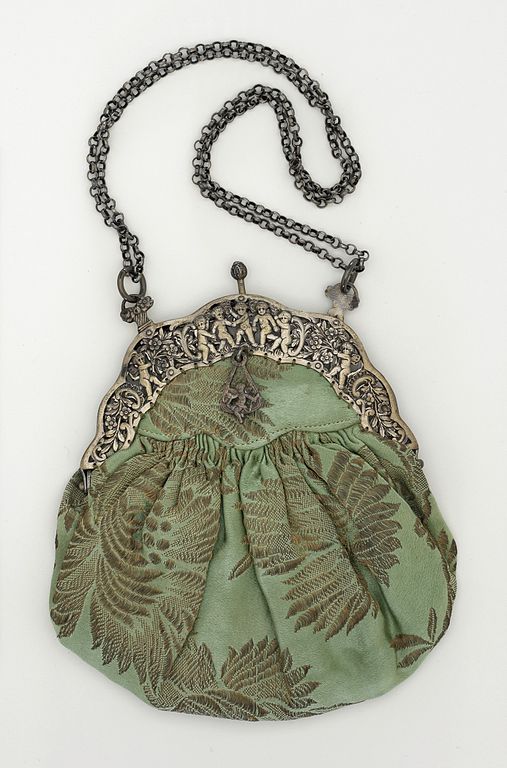
The world’s most expensive purse, the “Mouawad 1001 Nights Diamond Purse,” is valued at $3.8 million US and is adorned with over 4,500 diamonds.

The average woman owns around 13 different purses.

The transparent purse trend became popular in the 1950s, allowing women to showcase the contents of their bags.

The word “purse” comes from the Latin word “bursa,” which means “bag” or “pouch.”

The oldest known purse dates back to the 14th century and was discovered in a medieval graveyard in Yorkshire, England.

The smallest purse ever made is known as the “Le Chiquito Mini Bag” by Jacquemus, which measures just 2 inches (5cm) in width.

This is a showcase site for Jeff Napier of US-Web-Design. Surprisingly low-cost solutions for all your website and marketing needs. More...

The iconic Hermes Birkin bag was named after actress and singer Jane Birkin, who complained to the company’s CEO about the lack of practical handbags.

The Chanel 2.55 bag, created by Coco Chanel, was named after the month and year it was introduced (February 1955).

The Louis Vuitton Speedy bag was originally designed as a travel bag but later became a popular everyday handbag.

In the 18th century, men also carried purses known as “reticules” to hold personal items like snuffboxes and money.

The world’s largest collection of handbags belongs to the Houston Museum of Natural Science and features over 800 purses.

In Japan, it is considered impolite to place a purse on the ground as it is seen as a sign of disrespect.

The first handbags designed for women had no pockets, as pockets were considered masculine at the time.

The practice of carrying a rabbit’s foot in a purse for good luck originated in the early 20th century.

The first designer handbag was created by the luxury brand Hermès in 1922.

Some high-end designer purses can take up to 18 hours to create by hand.

In ancient Egypt, both men and women wore small pouches tied around their waist, known as “chatelaines,” to carry their belongings.

The term “clutch” originated in the 19th century and referred to a small purse that women could “clutch” in their hands.

The clutch purse gained popularity during the 1920s when women needed a small, elegant bag to complement their flapper dresses.

The term “wristlet” refers to a small purse with a strap or handle that can be worn around the wrist.

In some cultures, carrying an empty purse is considered bad luck, as it represents financial loss.

The modern backpack was originally designed in the 1930s as a purse for hiking and outdoor activities.

In the 19th century, women’s dresses often had hidden pockets sewn into the seams to carry small purses.

The first zippered purse was introduced in the 1920s and quickly became popular for its convenience.

The term “satchel” refers to a large, structured purse with a handle and a flap closure.

Posted on Leave a comment

Clothing

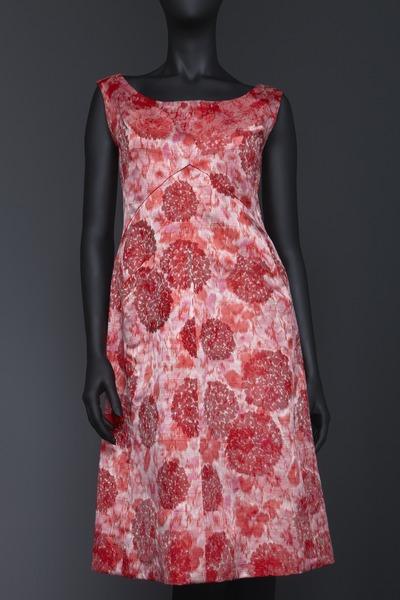
During World War II, women’s skirts became shorter and more practical to conserve fabric.

In the 1930s, men’s suits often had padded shoulders to create a more muscular silhouette.

In the 16th century, shoes with a long, curved toe called “poulaines” were popular among the nobility. Some poulaines were so long that the tips had to be fastened to the legs with chains to prevent the wearer from tripping over them.

During the Victorian era, it was considered inappropriate for women to wear underwear with their dresses.

In medieval Europe, red was the most expensive and prestigious color to dye clothing.

When sailors used to wipe their noses on their coat cuffs, it tended to gross out their captains. This is why buttons on coat cuffs were invented.

This is a showcase site for Jeff Napier of US-Web-Design. Surprisingly low-cost solutions for all your website and marketing needs. More...

In ancient Rome, wearing a purple toga was a privilege reserved only for the emperor.

The brassiere was patented in 1914.

Recent research has been determined that three out of every four women wear the wrong size bra.

During the Renaissance, men’s shoes often had extremely long toes that were stuffed with wool or hay.

When Fath Ali Shah of Iran was coronated in 1797, he wore 170 pounds (77 kg) of clothing covered with gold and jewels.

In the 18th century, women’s dresses often had pockets that were hidden in the folds of their skirts.

In the 1920s, women’s stockings were made from silk and were often decorated with intricate patterns.

In the 1960s, men’s fashion was heavily influenced by the space race and included futuristic styles like metallic fabrics and jumpsuits.

In the 1970s, platform shoes became popular, with some styles featuring heels that were over 10 inches (24cm) tall.

In the 18th century, men’s fashion included high-heeled shoes, which were seen as a sign of masculinity.

In the 19th century, women’s dresses were so heavy and cumbersome that they often required the assistance of a servant to put them on.

In some cultures, it is customary for women to wear clothing that completely covers their bodies, including their faces.

In ancient Egypt, wealthy women would wear jewelry sewn into their clothing, including dresses and headdresses.

During the Renaissance, women’s dresses often had exaggerated hips and waists that were created using padding or hoops.

In the 1960s, men’s fashion included brightly colored suits, often made from polyester fabrics.

In some African cultures, clothing is used to signify social status and can be extremely elaborate and ornate.

In the 19th century, women’s undergarments included corsets, which were designed to create an hourglass figure but could also cause health problems. Women fainting in that era was common, often caused by overheating or the inability to breathe properly due to their corsets.

In the 1980s, leg warmers were a popular fashion accessory, often worn over leggings or tights.

In ancient Greece, women often wore tunics that were fastened at the shoulders with brooches or pins.

In the 1920s, flapper dresses were popular, featuring short hemlines and loose-fitting silhouettes.

In the 1960s, the mini-skirt became a popular fashion trend, with some styles featuring hemlines that were only a few inches long.

1970s style mini-skirt
1970s-style mini-skirt

In some cultures, it is customary for men to wear skirts or dresses as part of their traditional clothing.

In the 19th century, women’s dresses often included bustles, which were designed to enhance the shape of the buttocks.

In the 1970s, bell-bottom pants were popular, with some styles featuring extremely wide legs that were almost as wide as the hips.

See also: Fashion.

See also: Shoes.

Posted on Leave a comment

Internet

The first-ever message sent over the internet was “LOGIN” (in all caps) in 1969, but the computer crashed before they could send the full word.

The first email was sent in 1971 by Ray Tomlinson.

The first domain name ever registered was Symbolics.com in 1985.

The first website ever created was info.cern.ch, which went online on August 6, 1991.

In 2013, the internet used 5% of the world’s electricity, and this is expected to rise to 20% by 2025.

In 2012, a group of hackers launched a cyber attack on Spamhaus, an anti-spam organization, that was so powerful it slowed down the entire internet.

This is a showcase site for Jeff Napier of US-Web-Design. Surprisingly low-cost solutions for all your website and marketing needs. More...

The first banner ad on the internet, uploaded in 1994, read “Have you ever clicked your mouse right here? You will” and was for AT&T.

The first search engine was called Archie and was created in 1990.

The first webcam was invented in 1991 to keep an eye on a coffee pot at the University of Cambridge.

The first YouTube video was uploaded on April 23, 2005, and it was entitled “Me at the zoo.”

The first tweet was sent on March 21, 2006, by Twitter co-founder Jack Dorsey.

In 2005, a man sold his entire life on eBay, including his house, car, job, and friends. He then moved to a new city and started a new life.

The first ever online purchase was made in 1994, when a man bought a pepperoni pizza from Pizza Hut.

The term “spam” for unwanted email was coined in 1994 by a group of Usenet users.

The world’s first website is still online and can be visited at info.cern.ch.

The first Internet worm, Morris Worm, was launched in 1988 and caused widespread disruption across the internet.

The first emoticon 🙂 was created in 1982 by computer scientist Scott Fahlman.

The world’s first banner ad had a click-through rate of 44%.

The first email marketing campaign was sent by Gary Thuerk of Digital Equipment Corporation in 1978, promoting a new computer model to 400 people.

The first website to sell goods online was Books.com in 1992.

The first online bank was called First Virtual Holdings and was launched in 1994.

The first online dating website was Match.com, which launched in 1995.

The first instant messaging service was called ICQ and was created in 1996.

The first blog was created by Justin Hall in 1994, and it was called Links.net.

The first Wi-Fi network was created in 1997 by the Institute of Electrical and Electronics Engineers (IEEE).

The word “Internet” was added to the Oxford English Dictionary in 1993.

The first podcast was created in 2004 by Adam Curry and Dave Winer.

The first online photo was uploaded in 1992 by Tim Berners-Lee, the inventor of the World Wide Web.

The first browser was called WorldWideWeb and was created by Tim Berners-Lee in 1990.

The first mobile phone with internet access was the Nokia 9000 Communicator, which was released in 1996.

The first virtual reality headset was called the Sensorama, and it was created in 1962 by Morton Heilig.

The first website to offer free online courses was the Massachusetts Institute of Technology’s (MIT) OpenCourseWare, which launched in 2002.

The first website to offer live video streaming was JenniCam in 1996, which broadcast a live video feed from the creator’s dorm room.

The first website to feature animated GIFs was the website for the movie Space Jam in 1996.

The first website to offer free email was Hotmail, which launched in 1996.

The first YouTube video to reach 1 billion views was “Gangnam Style” by Psy.

“Google” is actually a misspelling of “googol,” which is the number 1 followed by 100 zeros.

Posted on Leave a comment

Hats

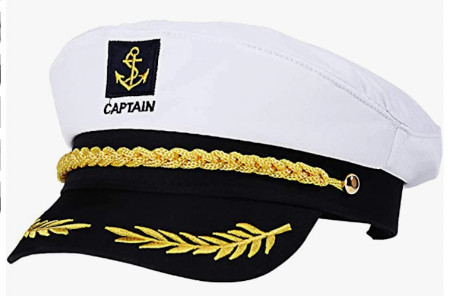
In the 16th century, Queen Elizabeth I of England passed a law that required all men over the age of six to wear a hat on Sundays and holidays.

The most expensive hat ever sold was a $2.7 million diamond-studded hat created by British designer Louis Mariette.

In some cultures, hats are worn as a sign of fertility or virility.

The word “hat” comes from the Old English word “hæt”, which means “covering for the head”.

When London inventor James Hetherington first wore his new invention, the top hat, in 1797, it caused quite a stir. He was immediately thrown in jail because he “appeared on the public highway wearing upon his head a tall structure of shining luster and calculated to disturb timid people.”

The first hats were made of straw or felt and were worn by ancient Greeks and Romans.

This is a showcase site for Jeff Napier of US-Web-Design. Surprisingly low-cost solutions for all your website and marketing needs. More...

In medieval Europe, hats were a sign of social status and were often made of expensive materials like silk and velvet.

The hat-making industry peaked in the early 20th century, with over 100,000 people employed in the trade in the United States alone.

The world’s largest hat was created in 2011 and measured 14.25 meters (46 feet and 9 inches) in circumference.

In the 19th century, women’s hats were so large and elaborate that they often had to be held in place with hatpins, which could be up to 12 inches long.

In Japan, there is a traditional hat called a “kanmuri” that is worn by emperors and empresses during important ceremonies.

In some cultures, hats are worn as a sign of mourning or respect for the dead.

In the 18th century, men’s hats were often decorated with ostrich feathers or other exotic materials.

In the United States, the top hat became a symbol of wealth and sophistication in the 19th century.

The Panama hat is actually made in Ecuador, not Panama.

The bowler hat was invented in the mid-19th century as a more practical alternative to the top hat.

The term “mad as a hatter” comes from the fact that in the 19th century, hat makers often used mercury to soften the felt used in hats, which is toxic and caused them to go insane over time.

In some African cultures, hats are worn to indicate a person’s tribe or social status.

In the 1960s, the pillbox hat became popular with women, thanks in part to Jacqueline Kennedy’s fondness for the style.

In some cultures, hats are worn as a form of protection from the sun or other elements.

In the early 20th century, the “Flapper” style of hat became popular with young women, featuring a close-fitting, brimless design.

The balaclava, a type of hat that covers the head, neck, and face, is named after the town of Balaklava in Crimea.

In some cultures, hats are worn as a sign of religious devotion.

Observant Jewish men are required to wear a hat, but over time, realizing that the hat doesn’t have to be large, have created very small, simple hats called yarmulkes. Some Orthodox Jewish men wear very elaborate, large fur hats that can cost upward of $5,000.

In the 18th century, women’s hats often featured large, ornate decorations like fruit, flowers, and even miniature ships.

In some cultures, hats are worn as a sign of authority or rank.

The fedora, a style of hat that became popular in the 1920s, is named after the heroine of a play by Victorien Sardou.

In some cultures, hats are worn as a form of camouflage or disguise.

The beret, a round, flat hat typically made of wool, has been worn by soldiers and artists alike throughout history.

In some cultures, hats are worn as a sign of marriage or betrothal.

The tricorn, a three-cornered hat popular in the 18th century, is sometimes worn by members of fraternal organizations like the Shriners.

The dunce cap, a pointed hat worn as a punishment in schools, originated in the 13th century.

The sombrero, a broad-brimmed hat worn in Mexico and other Latin American countries, means “shadower” in Spanish.

The fez, a cylindrical hat with a tassel, is traditionally worn by men in Morocco and other North African countries.

In some cultures, hats are worn as a sign of mourning for a deceased loved one.

The Zucchetto, similar to a Jewish yarmulke, is a small skullcap worn by Catholic clergy, including the Pope.

The tam o’ shanter is a Scottish cap with a pom-pom on top.

In some cultures, hats are worn as a sign of resistance or protest.

The shako is a tall military hat with a flat top and a visor, originally worn by Hungarian hussars in the 18th century.

The Hennin is a tall, pointed hat worn by women in the 15th century, often with a veil attached.

The toque is a chef’s hat, traditionally made of white fabric and with a tall, pleated top.

In some cultures, hats are worn as a sign of protection from evil spirits or bad luck.

The keffiyeh is a traditional headdress worn by Arab men and women, often in black and white checkered pattern.

The busby is a tall fur hat with a plume, traditionally worn by cavalry soldiers in the British Army.

In some cultures, hats are worn as a sign of hospitality or welcome.

The mortarboard is a flat, square hat worn by graduates during commencement ceremonies.

The ushanka is a Russian fur hat with earflaps that can be tied up to the crown of the hat.

The cowboy hat, with its wide brim and high crown, is a symbol of the American West.

You’ll see some rather odd hats at OddGiftFinder.com

Posted on Leave a comment

Shoes

The oldest shoes ever discovered are 9,000 years old and were found in Fort Rock Cave in Oregon, USA.

Until 1818 shoes were interchangeable, there was no difference between right and left shoes. King George IV of England changed the tradition by ordering a set of boots made to fit specific feet.

The average American woman owns 19 pairs of shoes, while the average American man owns 10 pairs.

The high heel was invented for men, not women. It was originally worn by Persian soldiers in the 15th century to help them keep their feet in stirrups while riding horses.

In the 16th century, shoes with a long, curved toe called “poulaines” were popular among the nobility. Some poulaines were so long that the tips had to be fastened to the legs with chains to prevent the wearer from tripping over them.

Why was it illegal to buy more than three pairs of shoes in the United States during the 1940’s? Leather was needed for the war effort. Most shoes at that time were made almost entirely from leather, yet today many are made from cloth, plastic and synthetic rubber.

This is a showcase site for Jeff Napier of US-Web-Design. Surprisingly low-cost solutions for all your website and marketing needs. More...

The first rubber-soled shoes were made in the 1830s by the American inventor Charles Goodyear.

The world’s most expensive pair of shoes, worth $17 million, were created by the designer Debbie Wingham and feature gold, diamonds, and other precious stones.

The first sneakers were made in 1917 by the Converse Rubber Shoe Company and were originally called “All Stars.”

The term “sneakers” was coined in the late 1800s because the rubber soles allowed people to walk quietly, or “sneak” around without making noise.

The average American spends around $300 a year on shoes.

The oldest known leather shoe was found in Armenia and dates back to around 3,500 BC.

The world’s largest shoe store, the ShoeMart in Connecticut, USA, has over 1.5 million pairs of shoes in stock.

The tallest high heels ever made were 20 inches (50.8 cm) tall and were created by the French designer Christian Louboutin.

The longest shoelace ever recorded was over 2,400 feet (0.73km) long and was made in Germany in 2004.

The average person takes 8,000 to 10,000 steps a day, which adds up to about 115,000 miles (185,000 km) over a lifetime. That’s more than 4 times around the equator.

The first running shoes were made in the 1860s and were called “trainers.”

The first platform shoes were worn by actors in Ancient Greek plays to make them look taller and more imposing.

The oldest known pair of women’s shoes with high heels dates back to the 1680s and was made in Venice, Italy.

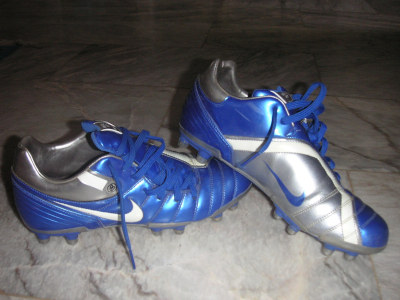
The world’s largest shoe manufacturer is Nike, which produces over 900 million pairs of shoes each year.

The first shoes specifically designed for basketball were made in the 1920s and were called “Chuck Taylors” after the basketball player who endorsed them.

The world’s fastest recorded mile was run in 3 minutes and 43 seconds by Hicham El Guerrouj of Morocco while wearing a pair of Nike track spikes.

The first boots were worn by ancient nomads in what is now Russia over 5,000 years ago.

The first women’s dress shoe with a pointed toe was designed in the 14th century in Italy and was called the “poulaine.”

The first pair of Air Jordans, created in 1985 by Nike, was banned by the NBA because they did not meet the league’s dress code.

See also: Clothing.

See also: Fashion.

Posted on Leave a comment

Delaware

The state of Delaware was named after the Delaware River, which was named after Lord De La Warr, the governor of Virginia from 1610 to 1618.

It is illegal to wear pants that are “form-fitting” in Delaware on Sundays.

Delaware is the only state in the United States without any national parks.

The population of Delaware is 1.003 million, as of census results in 2021.

Delaware has the highest percentage of Catholics of any state in the U.S.

Delaware is the second smallest state by land area in the U.S., but the sixth most densely populated.

This is a showcase site for Jeff Napier of US-Web-Design. Surprisingly low-cost solutions for all your website and marketing needs. More...

Delaware has the lowest mean elevation of any state in the U.S.

Rehoboth Beach, Delaware is known as the “Nation’s Summer Capital” due to the high number of visitors it receives during the summer months.

Delaware is home to the first Swedish and Finnish settlements in North America.

The first steam locomotive to be built in the United States was built in Delaware in 1831.

Delaware has the highest percentage of credit card holders of any state in the U.S.

The first log cabins in the United States were built in Delaware by Swedish settlers.

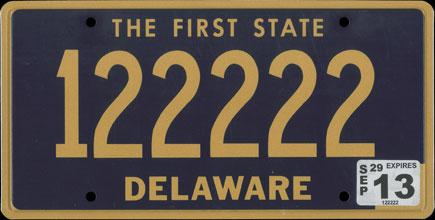
Delaware was the first state to ratify the United States Constitution, earning it the nickname “The First State.”

Delaware has no sales tax.

The Wilmington Blue Rocks minor league baseball team is named after a type of blue granite that is native to the area.

The world’s largest frying pan, weighing over 1 ton, is located in Delaware.

Delaware has a law that prohibits people from pretending to sleep on a bench on the boardwalk in Rehoboth Beach.

The first transgender mayor in the United States was elected in Delaware in 2017.

Delaware is home to the largest horseshoe crab population in the world.

The University of Delaware is the only university in the United States with a live mascot that is a bird of prey, a Peregrine Falcon named YoUDee.

Delaware was the first state to offer slot machines in casinos.

Delaware has the highest percentage of people who walk or bike to work of any state in the U.S.

The world’s largest banana split was made in Wilmington, Delaware, in 1988.

Delaware has more scientists and engineers per capita than any other state in the U.S.

The Delaware State Fair is the oldest continuously operating state fair in the United States.

Delaware has the highest percentage of home ownership of any state in the U.S.

The state of Delaware has a high number of shipwrecks due to its rocky coastline and history as a major port city.

The first state-run lottery in the United States was introduced in Delaware in 1975.

The state of Delaware has a high number of chemical plants and is known as the “Chemical Capital of the World.”

Posted on Leave a comment

Museums

Museum of Bad Art – a collection of artwork too bad to be ignored

The Icelandic Phallological Museum – a collection of over 215 penises and penile parts from over 93 species

The Parasite Museum – a museum that focuses on the strange world of parasites

In San Rafael, California, you’ll find the Museum of International Propaganda.

The Sulabh International Museum of Toilets – a museum dedicated to the evolution of toilets around the world

The Museum of Broken Relationships – a collection of objects left over from failed relationships

This is a showcase site for Jeff Napier of US-Web-Design. Surprisingly low-cost solutions for all your website and marketing needs. More...

The International Cryptozoology Museum – a museum that studies creatures that are rumored to exist, but have not been proven to exist

The Mütter Museum – a museum of medical oddities and human specimens

The Museum of Death – a museum that explores the subject of death through exhibits of real human remains and death-related artifacts

Marin Museum of Bicycling – a museum dedicated to bikes and bicycling, specializing in mountain bikes.

The Museum of Questionable Medical Devices – a museum that showcases medical devices that have questionable effectiveness

The Hand Fan Museum – a museum of hand fans, the devices used by women mostly in past eras to cool themselves, and send semi-secret signals to others.

hand fan

The Museum of Jurassic Technology – a museum that explores the intersection of art, science, and the imagination

The Vent Haven Museum – a museum dedicated to ventriloquism and the history of ventriloquists’ dummies

The Museum of Neon Art – a museum that collects, preserves, and exhibits neon signs and related art forms

The House on the Rock – a museum that features a collection of oddities, including the world’s largest indoor carousel

The Kansas Barbed Wire Museum – a museum dedicated to the history and development of barbed wire

The National Museum of Funeral History – a museum that explores the history and cultural significance of funerals and funeral practices

The International Spy Museum – a museum that explores the history and methods of espionage

The American Banjo Museum – a museum that explores the history and evolution of the banjo

The Museum of Osteology – a museum that showcases the skeletal system of animals from around the world

The Teddy Bear Museum – a museum that showcases the history and evolution of teddy bears

The Museum of the Weird – a museum that showcases bizarre and unusual artifacts from around the world

The Elevator Museum – a museum that explores the history and development of elevators

The Canadian Potato Museum – a museum that explores the history and cultural significance of potatoes in Canada

The Skyscraper Museum – a museum that explores the history and evolution of skyscrapers

The Salt and Pepper Shaker Museum – a museum that features over 20,000 salt and pepper shakers from around the world

The Museum of Miniature Houses – a museum that showcases a collection of miniature houses and other miniatures

The National Museum of Roller Skating – a museum that explores the history and evolution of roller skating

The Museum of Handbags and Purses – a museum that showcases the history and evolution of handbags and purses

The Museum of Chinese in America – a museum that explores the history and experiences of Chinese immigrants in America

The New Orleans Pharmacy Museum – a museum that showcases the history and development of pharmacy and medicine in New Orleans

The Musée Mécanique – a museum that features a collection of antique arcade machines and mechanical instruments.

Posted on Leave a comment

10 Weird Facts About Love

The feeling of falling in love releases the same chemicals in the brain as cocaine addiction.

In ancient Rome, people believed that the first kiss should always be initiated by the woman to avoid bad luck.

People who are in love have lower levels of the stress hormone cortisol.

The longest recorded marriage lasted for 91 years and 12 days.

Falling in love can cause physical symptoms, such as increased heart rate and sweating.

In Japan, there is a love hotel that is entirely staffed by robots.

This is a showcase site for Jeff Napier of US-Web-Design. Surprisingly low-cost solutions for all your website and marketing needs. More...

Scientists have found that people who are in love have more activity in the part of the brain associated with reward and pleasure.

In some African countries, it is customary for men to give their wives a love hut as a wedding gift.

Love at first sight is a real phenomenon, according to research that shows it takes only 4 minutes to decide whether you are attracted to someone.

In ancient Egypt, men used to wear perfume made from the sweat of their beloved.

People who are in love have higher levels of the neurotransmitter dopamine in their brains.

In the Middle Ages, people believed that if you sneezed three times in a row, it was a sign that you were in love.

A study found that when a person falls in love, their voice changes to become more similar to the person they are in love with.

In some cultures, it is customary for couples to exchange pieces of their own hair as a symbol of their love.

A group of flamingos is called a “flamboyance,” which is a fitting name for these birds who mate for life and perform elaborate courtship dances.

Studies show that people in happy relationships tend to live longer and have better overall health.

In medieval Europe, people believed that a woman could make a man fall in love with her by cooking his favorite meal and secretly adding her menstrual blood to the dish.

Couples who laugh together have stronger relationships, according to research.

In ancient China, women used to paint their teeth black to make themselves more attractive to men.

The song “Can’t Help Falling in Love” by Elvis Presley is based on a French song called “Plaisir d’amour” that was written in the 18th century.

Studies have shown that when two people are in love, their heartbeats can synchronize.

In ancient Greece, people believed that love was caused by arrows shot by Cupid, the god of desire.

A study found that holding hands with someone you love can help alleviate physical pain.

In some cultures, it is considered good luck for a bride to wear something old, something new, something borrowed, and something blue on her wedding day.

In the 19th century, the word “flirt” meant “to flick,” as in to make a sudden movement, and was used to describe a woman who was behaving coquettishly.

Scientists have found that people in love have lower levels of serotonin, a neurotransmitter associated with depression.

In ancient Persia, men would give their wives a love apple on their wedding night, which was a fruit with a sweet taste that was believed to enhance fertility.

Studies show that people who are in love have better memory recall than those who are not.

In some cultures, it is customary for the groom to carry the bride across the threshold of their new home to protect her from evil spirits.

A study found that people who are in love can experience withdrawal symptoms similar to those of drug addiction when they are separated from their partner.

Posted on Leave a comment

10 Weird Facts About Women

One out of every four women fail in business. Four of every five men fail in business.

Women have a better sense of smell than men on average.

Women have a higher pain tolerance than men due to the presence of estrogen.

The longest recorded hair belonged to a woman in China and was over 18 feet long.

Women’s hearts beat faster than men’s hearts.

Women blink twice as much as men.

This is a showcase site for Jeff Napier of US-Web-Design. Surprisingly low-cost solutions for all your website and marketing needs. More...

The world’s smallest waist belongs to a woman named Cathie Jung, who has a waist measurement of just 15 inches (38 cm).

Women have a stronger immune system than men.

The world’s oldest mother was a woman in India who gave birth at the age of 70.

The first female astronaut was Valentina Tereshkova, who flew into space in 1963.

Women are more likely to have synesthesia, a condition where senses are crossed, such as seeing colors when hearing music.

Women have a better memory than men, especially for details and emotional events.

Women’s brains are wired differently than men’s, with more connections between the left and right hemispheres.

Women are better at multitasking than men, thanks to higher levels of brain activity in the prefrontal cortex.

The first woman to run for president of the United States was Victoria Woodhull in 1872.

Women have a stronger sense of taste than men, especially for bitter and sour flavors.

The fastest woman in the world is Florence Griffith-Joyner, who set the world record for the 100m and 200m dash in 1988.

Women’s skin is more sensitive than men’s, with more nerve receptors per square centimeter.

The first person to fly solo across the Atlantic was a woman named Amelia Earhart.

Women are more likely to survive a heart attack than men due to better blood flow and lower risk of blood clots.

The world’s largest collection of shoes belongs to a woman in the United States, who has over 15,000 pairs.

More than 50% of the world’s millionaires are women.

Women have a stronger sense of empathy than men, allowing them to better understand and respond to the emotions of others.

The first female CEO of a Fortune 500 company was Katharine Graham, who led the Washington Post Company.

Women are more likely to experience anxiety and depression than men due to hormonal differences and social pressures.

The longest recorded fingernails belonged to a woman in the United States and were over 28 feet long.

Women are more likely to have dreams in color than men.

The first female Nobel Peace Prize winner was Bertha von Suttner in 1905.

Women have a stronger sense of smell during ovulation, which may help them choose a suitable partner.

One might wonder why women have more acute senses and greater ability to multitask than men. Imagine a time, perhaps 40,000 years ago, when the women had to manage the extended family’s children. She had to keep track of many children at once, and be empathetic and sensitive in order to understand their pre-verbal needs. Meanwhile the man had to hunt deer. He had to stay focused on one animal until he caught it, and couldn’t stop just because he got scratched when passing too close to a sticker bush.

Jocelyn Bell Burnell, an astrophysicist, discovered pulsars but was not awarded the Nobel Prize for her work, which went to her male supervisor instead.

Marie Curie’s notebooks are still radioactive and can only be handled with protective gear. She was the first woman to win a Nobel Prize for science.

Rosalind Franklin’s X-ray crystallography data was used by James Watson and Francis Crick to discover the structure of DNA, but she was not given credit until after her death.

Marie Tharp, a geologist, helped map the ocean floor, and her work revealed the Mid-Atlantic Ridge and helped prove the theory of plate tectonics.

One out of every four women fail in business. Four of every five men fail in business.

Women have a better sense of smell than men on average.

Women have a higher pain tolerance than men due to the presence of estrogen.

The longest recorded hair belonged to a woman in China and was over 18 feet long.

Women’s hearts beat faster than men’s hearts.

Women blink twice as much as men.

The world’s smallest waist belongs to a woman named Cathie Jung, who has a waist measurement of just 15 inches (38 cm).

Women have a stronger immune system than men.

The world’s oldest mother was a woman in India who gave birth at the age of 70.

The first female astronaut was Valentina Tereshkova, who flew into space in 1963.

Women are more likely to have synesthesia, a condition where senses are crossed, such as seeing colors when hearing music.

Women have a better memory than men, especially for details and emotional events.

Women’s brains are wired differently than men’s, with more connections between the left and right hemispheres.

Women are better at multitasking than men, thanks to higher levels of brain activity in the prefrontal cortex.

The first woman to run for president of the United States was Victoria Woodhull in 1872.

Women have a stronger sense of taste than men, especially for bitter and sour flavors.

The fastest woman in the world is Florence Griffith-Joyner, who set the world record for the 100m and 200m dash in 1988.

Women’s skin is more sensitive than men’s, with more nerve receptors per square centimeter.

The first person to fly solo across the Atlantic was a woman named Amelia Earhart.

Women are more likely to survive a heart attack than men due to better blood flow and lower risk of blood clots.

The world’s largest collection of shoes belongs to a woman in the United States, who has over 15,000 pairs.

More than 50% of the world’s millionaires are women.

Women have a stronger sense of empathy than men, allowing them to better understand and respond to the emotions of others.

The first female CEO of a Fortune 500 company was Katharine Graham, who led the Washington Post Company.

Women are more likely to experience anxiety and depression than men due to hormonal differences and social pressures.

The longest recorded fingernails belonged to a woman in the United States and were over 28 feet long.

Women are more likely to have dreams in color than men.

The first female Nobel Peace Prize winner was Bertha von Suttner in 1905.

Women have a stronger sense of smell during ovulation, which may help them choose a suitable partner.

One might wonder why women have more acute senses and greater ability to multitask than men. Imagine a time, perhaps 40,000 years ago, when the women had to manage the extended family’s children. She had to keep track of many children at once, and be empathetic and sensitive in order to understand their pre-verbal needs. Meanwhile the man had to hunt deer. He had to stay focused on one animal until he caught it, and couldn’t stop just because he got scratched when passing too close to a sticker bush.

Jocelyn Bell Burnell, an astrophysicist, discovered pulsars but was not awarded the Nobel Prize for her work, which went to her male supervisor instead.

Marie Curie’s notebooks are still radioactive and can only be handled with protective gear. She was the first woman to win a Nobel Prize for science.

Rosalind Franklin’s X-ray crystallography data was used by James Watson and Francis Crick to discover the structure of DNA, but she was not given credit until after her death.

Marie Tharp, a geologist, helped map the ocean floor, and her work revealed the Mid-Atlantic Ridge and helped prove the theory of plate tectonics.

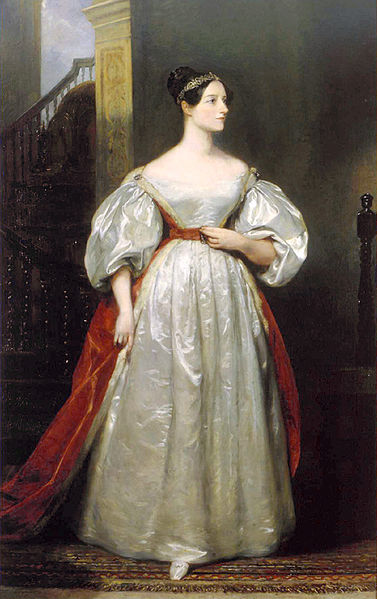
Ada Lovelace, a mathematician who is considered the world’s first computer programmer, was also an accomplished musician and writer.

Margaret Hamilton, a computer scientist, led the team that developed the software for NASA’s Apollo missions and coined the term “software engineering.”

Rosalyn Yalow, a physicist and medical researcher, was the first woman to win a Nobel Prize in Physiology or Medicine in 1977.

Katsuko Saruhashi, a geochemist, was the first woman to earn a doctorate in chemistry from the University of Tokyo and discovered the harmful effects of nuclear testing on the environment.

Margaret Hamilton, a computer scientist, led the team that developed the software for NASA’s Apollo missions and coined the term “software engineering.”

Rosalyn Yalow, a physicist and medical researcher, was the first woman to win a Nobel Prize in Physiology or Medicine in 1977.

Katsuko Saruhashi, a geochemist, was the first woman to earn a doctorate in chemistry from the University of Tokyo and discovered the harmful effects of nuclear testing on the environment.

Posted on Leave a comment

Albert Einstein

Sometimes when we are rejected, we become dejected. When that happens, see if you can continue with one foot in front of the other, as Albert Einstein did.

In 1905 Albert Einstein wrote his famous Special Theory of Relativity. It was published in a scientific journal that same year, but took many years to gain general acceptance. In fact, it was not proven by actual experiment until 25 years later. This paper, entitled “Does the Inertia of a Body Depend Upon Its Energy Content?” is where E=mc² first appeared.

Two years after that paper was published, Einstein wanted a job as assistant professor of mathematics. This job required the applicant to submit a thesis paper, so Einstein submitted his Special Theory of Relativity. The university rejected it.

Einstein was a late talker and didn’t start speaking until he was almost 4 years old. Some say he couldn’t speak in full sentences until he was 9 years old.

He was a talented musician and could play the violin and piano. He often played music to help him think.

He had a poor memory for names and often forgot people he had met.

This is a showcase site for Jeff Napier of US-Web-Design. Surprisingly low-cost solutions for all your website and marketing needs. More...

Einstein was a vegetarian and even wrote an essay called “The Ethics of Diet.”

He had a love for sailing and owned a sailboat named Tümmler which is German for porpoise.

Einstein was a smoker, but quit later in life after suffering from heart problems.

Einstein was offered a position in the Swiss Patent Office while he was trying to find a job as a teacher.

Einstein had a daughter named Lieserl who was born out of wedlock and was given up for adoption.

He was a pacifist and spoke out against war and violence.

Einstein was an avid letter-writer and wrote over 14,000 letters in his lifetime.

He was a fan of detective novels and even created his own detective, called Dr. René Belloq.

Einstein’s brain was preserved after his death for scientific study.

He had a close friendship with Charlie Chaplin and they often played music together.

Einstein was offered the position of Prime Minister of Israel, but declined.

He was a supporter of civil rights and spoke out against racism.

Einstein was an early member of the NAACP.

He was a fan of the philosopher Spinoza and even wrote a book about him.